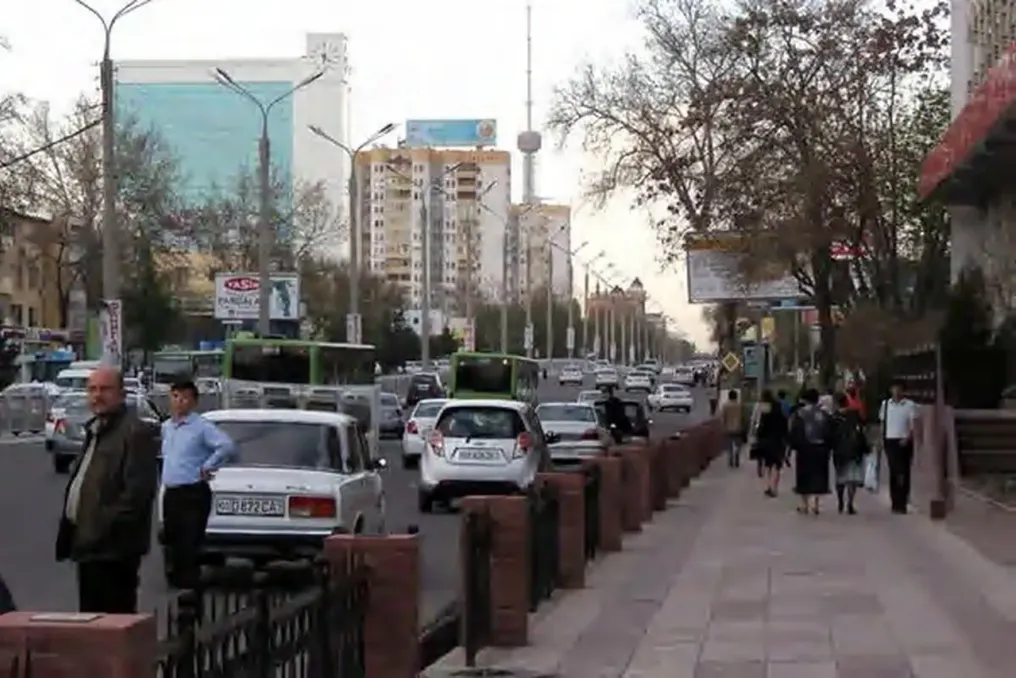
UzHydromet explains the causes of air pollution in Tashkent
Read more
UzDaily
uzdaily.uz

UzHydromet explains the causes of air pollution in Tashkent

UzHydromet reported that the air quality in Tashkent is deteriorating due to lack of precipitation, weak winds, and transboundary dust flows coming from Kazakhstan.

No precipitation has been recorded in the capital for the past five days. Low wind speeds and insufficient air circulation hinder the dispersion of pollutants in the urban atmosphere.

Simultaneously, air currents are carrying dust from Kazakhstan into the Tashkent region and the city of Tashkent itself.

This situation is reflected in the data from automatic air quality monitoring stations belonging to UzHydromet. Stations located directly in the capital have not recorded a significant increase in pollutant concentrations.

Nevertheless, border stations registered elevated levels of PM2.5 and PM10 particles between November 17 and 21, 2026. The highest readings were recorded at the border stations of Sofia University and Green University. According to UzHydromet, these results indicate the penetration of dust into the country from its borders.

Furthermore, the agency pointed to local factors affecting air quality, including emissions from road transport, construction sites, and industrial enterprises.
Similar stories

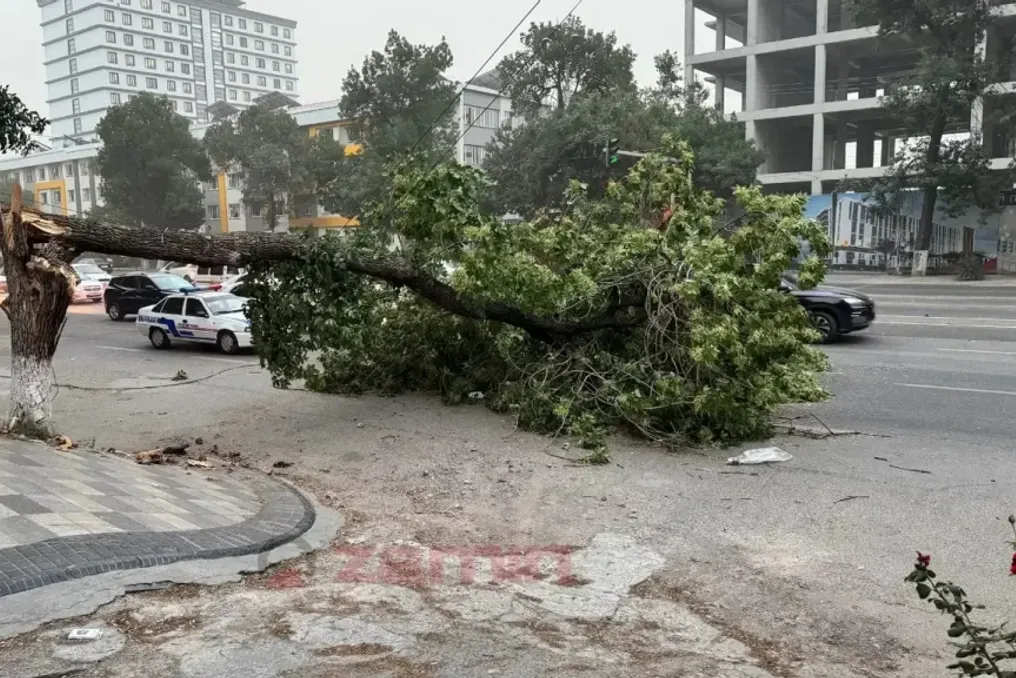
Tashkent City Administration warns residents about strong wind and dust and urges caution
Read more
podrobno.uz

Tashkent City Administration warns residents about strong wind and dust and urges caution

The Tashkent City Administration issued an appeal to residents and visitors of the capital, strongly recommending that heightened precautions be taken amid sharp increases in wind and deteriorating weather conditions.

The city administration warned that strong gusts of wind can cause power line breaks, lead to falling trees, and provoke the formation of significant dust accumulations in the atmosphere.

Due to the unfavorable meteorological situation, drivers were advised to avoid parking vehicles under trees, advertising structures, and power lines. Pedestrians were also instructed to exercise maximum vigilance while moving through city streets.

Furthermore, the administration asked citizens to minimize the time spent outdoors as much as possible. Special caution is recommended for individuals suffering from allergic diseases or having high sensitivity to dust.

In case of any emergencies or unusual situations related to the bad weather, citizens can contact the dispatch services at any time of day at numbers 1050 and 1055, as well as via city phone numbers (71) 212-69-80 and (71) 212-69-82.

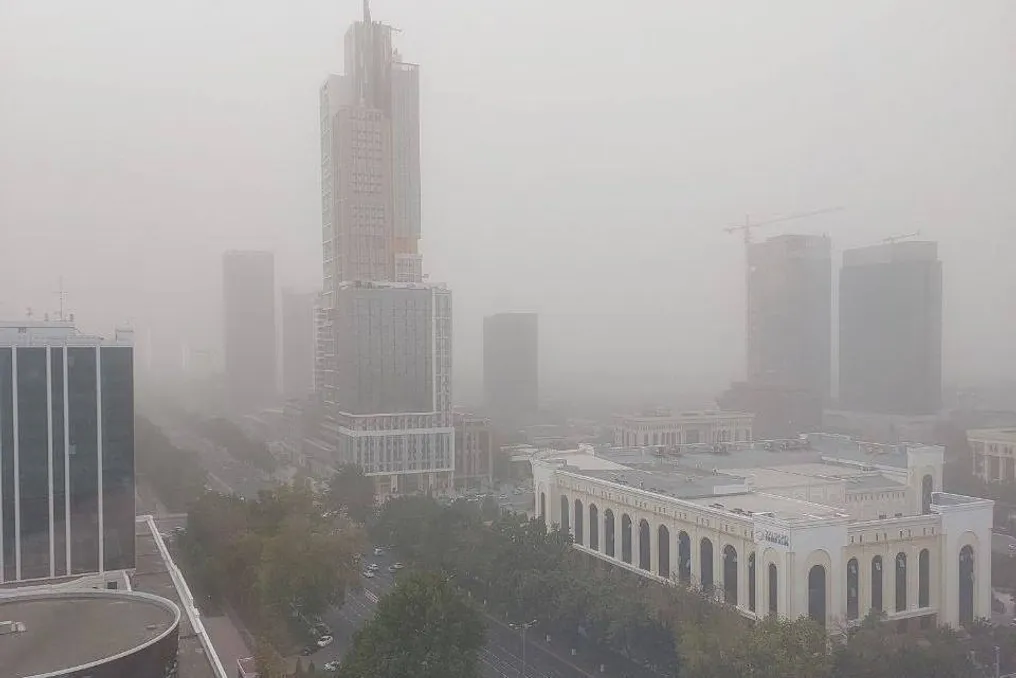
Possible deterioration of air quality predicted in Tashkent by the end of November
Read more
podrobno.uz

Possible deterioration of air quality predicted in Tashkent by the end of November

Experts warned that there may be a renewed increase in atmospheric air pollution in Tashkent at the end of November. Specialists noted that unfavorable weather conditions could trigger the accumulation of harmful particles over the city.

According to data provided by the National Committee on Ecology and Climate Change, specialists from the Scientific Research Hydrometeorological Institute compiled an air quality forecast for the period up to November 30. The institute's director, Doniyor Turgunov, explained that the situation's dynamics will depend on wind direction, temperature, and air mass movement.

It is planned that on November 19–20, the dispersion of pollutants will improve due to the wind. The period from November 21 to November 26 will be considered partially favorable: during the day, the air will mix more freely, but fog and localized increases in pollution levels are possible at night and early in the morning.

The highest risk of unfavorable conditions is predicted for the period from November 27 to November 30. An intensification of temperature inversion is expected during nighttime and morning hours, which hinders the dispersion of pollutants near the ground surface. Combined with the start of the heating season, this could lead to an increase in the concentration of fine PM2.5 particles, capable of deeply penetrating the respiratory tract.

It is important to note that this forecast indicates the probability of deterioration, not a guaranteed exceedance of established norms; the actual air condition will be determined by the weather and emission volume. Previously, eco-police officers in the Tashkent region intercepted the illegal production of coal briquettes, which negatively affected the atmosphere.

Popular