How to make Ragi Mudde from rice flour and clarified butter, a traditional dish of Karnataka
Read more
Aaj Tak
www.aajtak.in

How to make Ragi Mudde from rice flour and clarified butter, a traditional dish of Karnataka

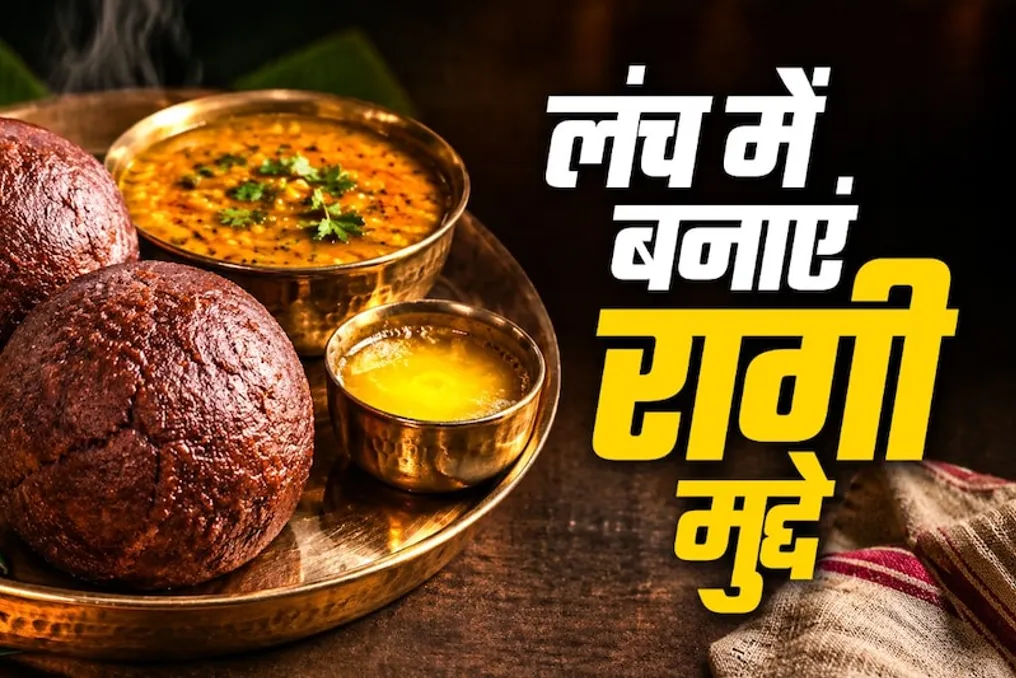
South Indian dishes are valued worldwide for their unique spices, lightness, and nutritional value. Although many are familiar with idli and dosa, you may never have tried the famous Ragi Mudde from Karnataka. Despite its seemingly simple appearance, this traditional dish boasts an excellent taste and is a rich source of nutrients. If you consume ragi or wish to include it in your diet, we offer a simple recipe.

Ragi Mudde:

The following ingredients are required to prepare this dish: 1 cup of ragi flour, 2–2¼ cups of water (use twice as much water as flour for accurate measurement), 1 teaspoon of ghee or oil, and salt to taste (about ¼ teaspoon).

The cooking process begins by mixing 2 tablespoons of ragi flour with about half a cup of cold or regular water in a bowl, whisking the mixture thoroughly until all lumps are gone. Then, in a heavy-bottomed pot, pour the remaining water, add salt and ghee. When the water starts to boil, gradually pour in the prepared suspension while stirring constantly to prevent lumps from forming.

After the mixture boils again, reduce the heat and begin evenly sprinkling the remaining dry ragi flour on top. After this, cover the pot and let it cook over low heat for 4–5 minutes. Then, remove the lid and vigorously and thoroughly mix the dough with a whisk or wooden spoon until all the flour comes together into a single mass and stops sticking to the sides of the pan. Turn off the gas and leave the mixture covered for another 2–3 minutes.

When the mass cools slightly (to a temperature that can be touched by hand), apply a little water or ghee to your palm. Gently moisten the dough, shaping large round balls resembling flatbreads.
Similar stories

How to make fresh millet flour at home: a simple recipe
Read more
www.aajtak.in

How to make fresh millet flour at home: a simple recipe

During the cold season, enjoying baking bread from millet has a special appeal. Millet is considered not only a tasty product but also healthy, as it is rich in fiber and many essential nutrients. This is why people prefer to include millet in their diet during winter.

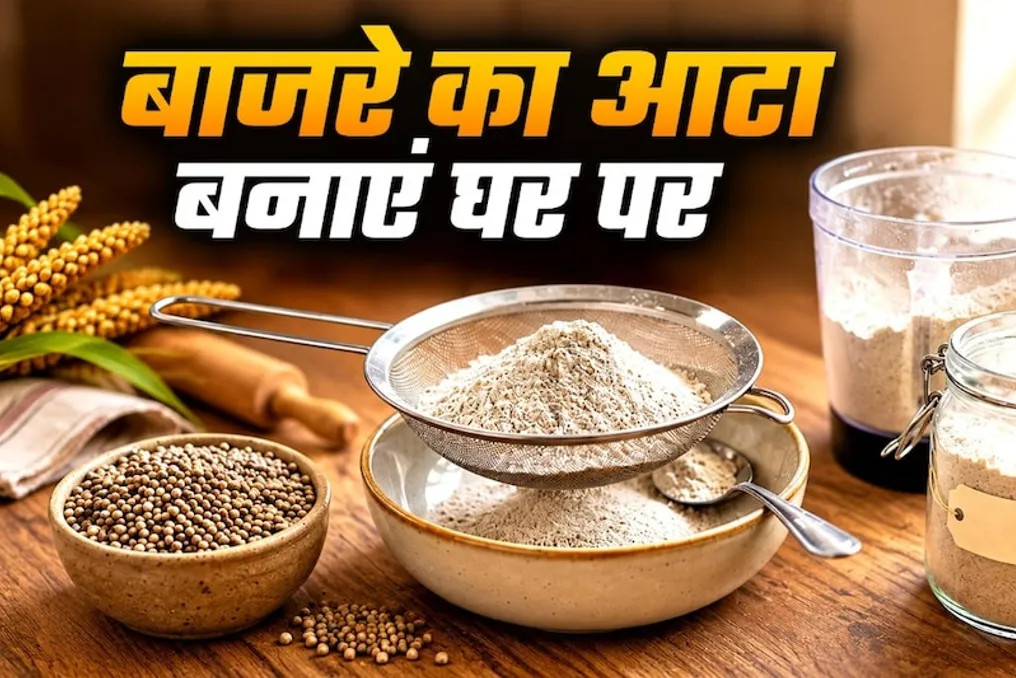
Although people usually buy millet flour in stores, it can be easily made at home. No special equipment is required; you just need whole millet to obtain fresh and finely ground flour. This flour can be used to prepare flatbreads, chela, and other delicious dishes. Below is a simple way to make millet flour at home.

To start, you will need 1 cup of whole millet (Pearl Millet). It is important to note that before grinding the millet, it must not contain moisture. Therefore, it is necessary to dry the millet in the sun for some time. Additionally, it is recommended to prepare the flour in small batches rather than storing it for a long time, and then place it in a clean, dry, airtight container in a cool and dry place.

Gujarati Sour Moong Recipe: Preparation with Besan Tea Addition
Read more
www.aajtak.in

Gujarati Sour Moong Recipe: Preparation with Besan Tea Addition

If you are tired of daily consumption of arhar, moong, and masoor lentils, you can try a traditional dish from Gujarat—Gujarati Khatta Moong, also known as Khatta Mag. This dish is characterized by a sour, slightly spicy, and aromatic taste. The preparation does not require expensive ingredients; it is easy to make at home using whole green moong, yogurt, and besan.

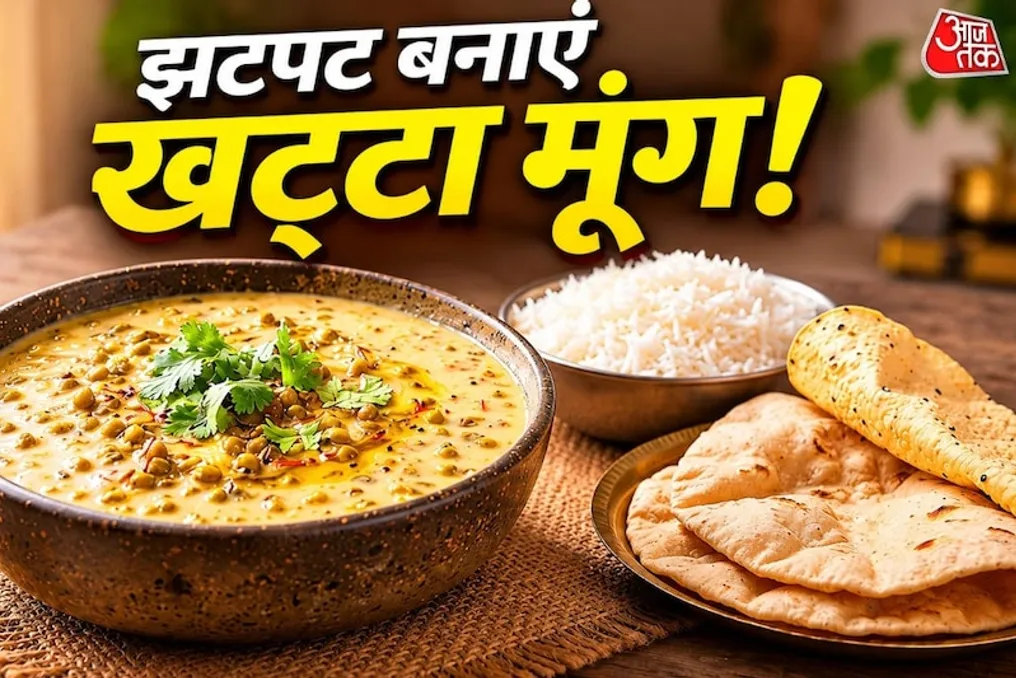
In Gujarat, Khatta Moong is traditionally served with rice, flatbreads, and papad. The tanginess of the yogurt combined with aromatic spices gives the dish a unique flavor. If you want to add a new taste to your everyday lentil diet, check out this simple way to prepare it.

Ingredients for Gujarati Khatta Moong

First, you need to boil the moong. One cup of whole green moong should be thoroughly washed and soaked in water for 3-4 hours. Then, in a multi-cooker, drain the moong, add water as needed, a little salt, and a pinch of turmeric. Cook until 3-4 whistles appear, ensuring the moong becomes soft but not completely mushy.

Next, prepare the sour yogurt mixture. In a bowl, mix sour yogurt and one teaspoon of besan. Add turmeric, red chili, and a little water, then whisk the mixture thoroughly until smooth, ensuring no lumps remain. This mixture will give Khatta Mag its characteristic taste and thickness.

The next step is preparing the aromatic tempering. Heat oil or ghee in a pan. Add rai seeds and cumin seeds, allowing them to sizzle. Then add hing, curry leaves, and ginger and green chili paste. Sauté all ingredients for a few seconds to release the aroma of the spices.

After this, gradually pour the yogurt-besan mixture into the pan. It must be stirred constantly and cooked over low or medium heat. It is important that the heat is not high when adding the yogurt, otherwise, it may curdle.

When the yogurt mixture is well cooked, add the boiled moong. Add salt to taste and, if necessary, a little water. The dish simmers on low heat for 4-5 minutes so that the moong fully absorbs the flavor of the spices and yogurt.

The finishing touch is garnishing with freshly chopped coriander. Your Gujarati Khatta Mag is ready. It is served hot with rice, flatbreads, or crispy papads.

Important Points When Preparing Khatta Moong

How to prepare the traditional dish of Uttar Pradesh: Lentil Karai for the Bhai Duja festival
Read more
www.aajtak.in

How to prepare the traditional dish of Uttar Pradesh: Lentil Karai for the Bhai Duja festival

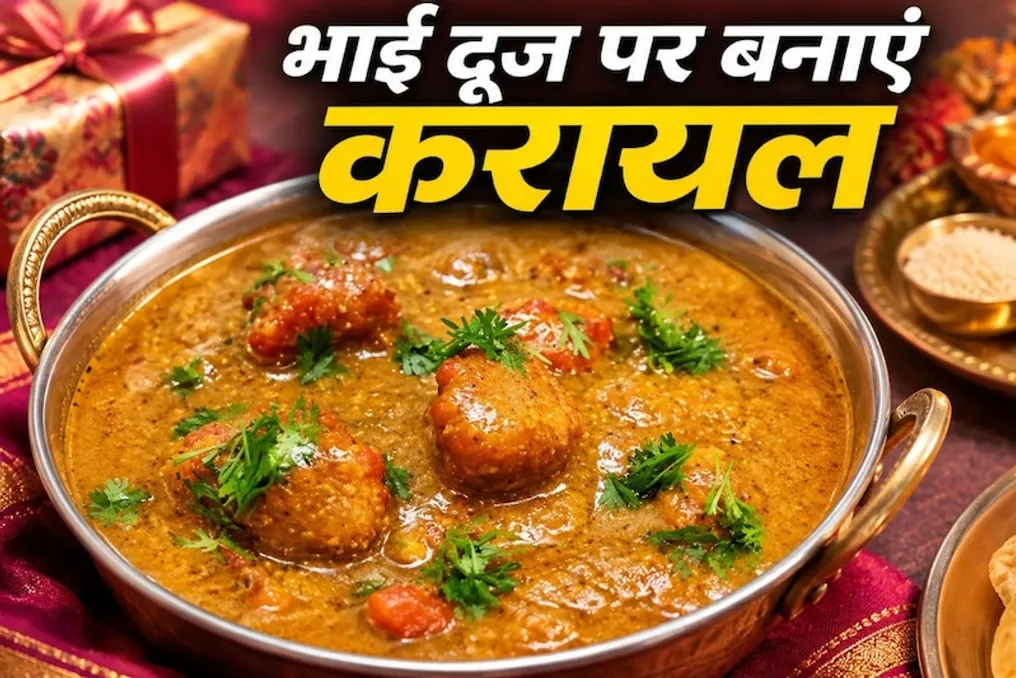
After the Diwali festival comes the Bhai Duja festival, which is a time for gatherings and treats for brothers and sisters. If you are tired of usual dishes like mashed potatoes, chhole, and paneer, try the traditional and very delicious lentil karai from Uttar Pradesh.

This dish not only boasts a rich and unique flavor but is also packed with nutrients. Its preparation involves a special method that will add sophistication to your festive table. Below is the simplest instruction and secret tips for its preparation.

For preparation, you will need: washed yellow lentils (1 cup, soaked for 2-3 hours), tomatoes (3-4, pureed or finely chopped), paste of ginger, garlic, and green chili (2 tablespoons), onion (2, finely chopped or paste), whole spices: cardamom, cinnamon, large cardamom, cloves, and cumin, dry spices: turmeric powder, Kashmiri red chili, coriander powder, garam masala, and dried mint, a pinch of asafoetida, as well as vegetable oil or ghee for frying or baking, salt to taste, and fresh cilantro.

To prepare mangori (karai), the soaked lentils must be coarsely ground in a blender without adding water or with minimal liquid, avoiding a very fine paste. To make the sauce of this dish thick and aromatic, you can add some cashew paste or fried lentils along with the onion and tomatoes.

First, drain the water from the soaked lentils and grind them in a food processor to form a coarse mass. Then, this mixture needs to be blended by adding salt, a little asafoetida, and cumin. After this, small balls of mangodi (karai) are formed from this mixture, which are fried in oil until golden and crispy (or baked in an appam pan).

In a separate pan, heat vegetable oil. Add whole spices (cardamom, cumin, cinnamon) and asafoetida to impart aroma. Then add the finely chopped onion and ginger-garlic paste, and fry them until golden brown. After this, add the tomato puree and all the dry spices (turmeric, coriander, red chili), and let the mixture simmer until the oil starts to separate.

Add the required amount of water (2 cups) to the sauce and bring it to a good boil. When the sauce boils, add the fried lentil balls (karai). Cover the pan and let the dish simmer on low heat for 7-10 minutes so that the karai fully absorbs the juice and becomes soft.

Finally, add garam masala, dried mint, and a generous amount of fresh cilantro, then turn off the heat. The ready, traditional, and authentic lentil karai in the style of Uttar Pradesh is ready. It is recommended to serve it hot on the Bhai Duja festival with puri, paratha, or rice.

Popular