India-EU Free Trade Agreement likely to be signed on December 16 in Brussels
Read more
Business Standard
business-standard.com

India-EU Free Trade Agreement likely to be signed on December 16 in Brussels

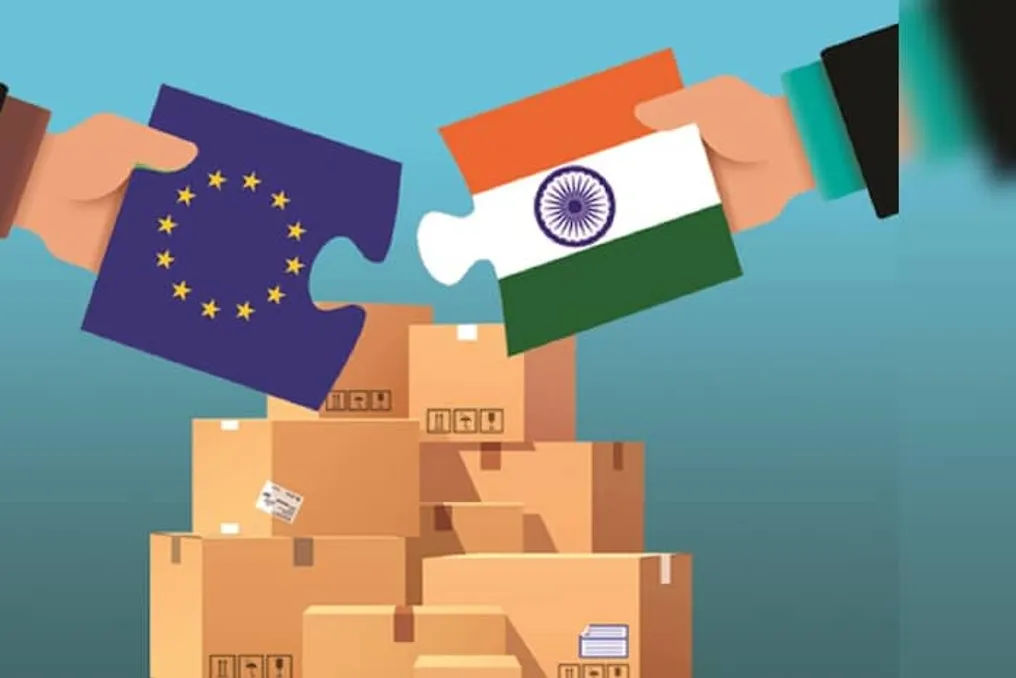
Official sources reported that India and the European Union (EU), comprising 27 countries, are expected to sign the long-awaited Free Trade Agreement (FTA) on December 16.

Negotiations for this pact were concluded on January 27 of this year. According to Jean-Eric Paquet, the EU Ambassador to India, the FTA signing will take place during Indian Prime Minister Narendra Modi's visit to Brussels in December, after which it will enter into force next year.

The European Commission has already sent proposals to the Council of the European Union requesting authorization to sign and conclude the agreement, while also providing the final legal text and tariff schedules.

Listen to this article

Under the terms of the free trade agreement, which has been dubbed the 'mother of all deals,' 93 percent of Indian goods will gain duty-free access to the market of the 27-member bloc. Furthermore, the import of luxury items such as wine and automobiles from the EU will become less expensive.

This deal, which is the result of negotiations spanning more than two decades, will create a single market covering approximately 2 billion people. This market will unite the world's fourth-largest economy—India—and the second-largest economic bloc—the EU.

Together, India and the EU account for 25 percent of global GDP and one-third (about 11 trillion US dollars) of international trade (approximately 33 trillion US dollars). The EU is India's largest trading partner for goods among individual blocs, while India ranks ninth among the EU's largest trading partners for goods globally and sixth for services.

Similar stories

EU and Indonesia sign ambitious trade agreement set to enter into force in 2027
Read more
noticiasaominuto.com

EU and Indonesia sign ambitious trade agreement set to enter into force in 2027

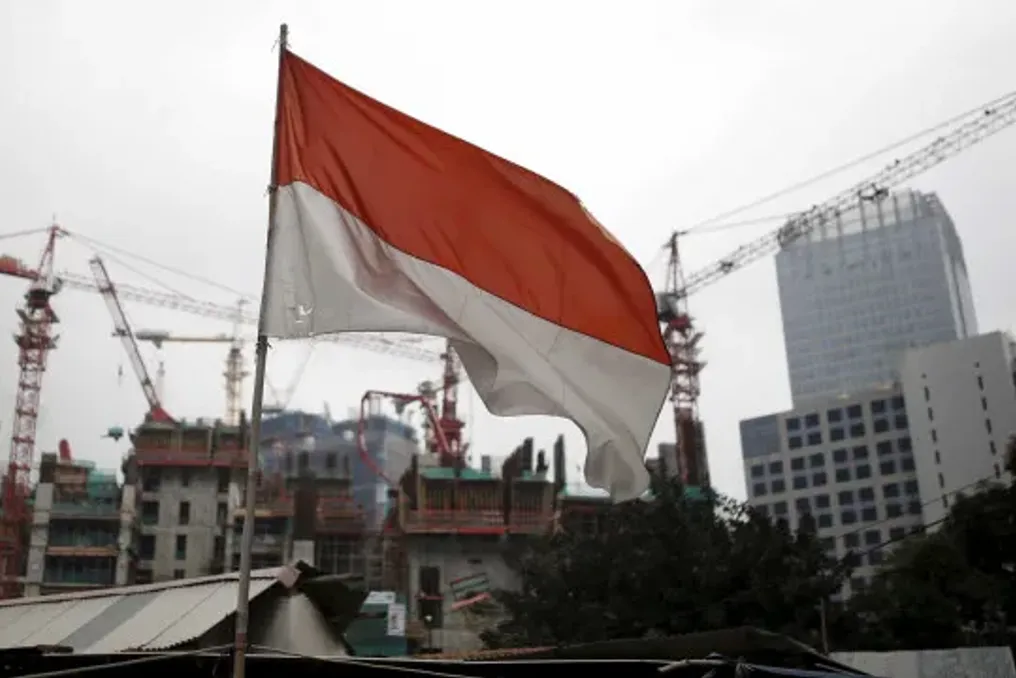
The European Union (EU) and Indonesia signed a trade agreement in Brussels aimed at opening up markets for both sides. The agreement is expected to come into effect in early 2027.

On the signing ceremony were present Ursula von der Leyen, President of the European Commission, and Airlangga Hartarto, Minister of Economy of Indonesia. Ursula von der Leyen stated that this is one of the most ambitious agreements concluded by the EU in Asia.

According to Brussels, the agreement will allow EU exports to increase to Southeast Asia's largest economy by approximately 40% over the next fifteen years. Also present at the event were European Commissioner for Trade Maroš Šefčovič and Indonesian Trade Minister Budi Santoso.

Ursula von der Leyen emphasized that together they represent a market of 730 million people and thanked Indonesian President Prabowo Subianto, who, according to her, will visit Brussels on December 11.

Negotiations on this agreement concluded last year, nearly ten years after they began. This is part of the EU's broader policy aimed at diversifying trade, especially amid challenges from the US and China.

The Comprehensive Economic Partnership Agreement (CEPA) between Indonesia and the EU, as well as the Investment Protection Agreement (IPA), will open opportunities for investment in strategic sectors such as electric vehicles, electronics, and the pharmaceutical industry, according to information from Brussels.

According to the EU, this pact eliminates customs duties on over 98% of European exports to the country, which is the fourth most populous in the world. This applies to food, agricultural, and industrial goods and will save over 600 million euros annually in duties.

Airlangga noted that about 90% of Indonesian exports to the EU will be duty-free. He stressed that this will benefit key Indonesian export products to the EU, including palm oil, footwear, textiles, and fishery products.

He also stated that 'the benefits for our exporters are concrete and measurable,' welcoming a 'new chapter' in economic relations with the EU.

Since palm oil and deforestation were sticking points during negotiations, the agreement provides for cooperation mechanisms in regulation and sustainable development, as well as a special protocol dedicated to palm oil.

Brussels estimates that this agreement will stimulate economic growth: by 2042, the EU's GDP should exceed figures by 16 billion euros, and Indonesia's GDP by 27 billion euros compared to the scenario without this agreement.

However, the entry into force of the agreement requires approval from the European Parliament, as well as the completion of the ratification process by Indonesian authorities.

Jhaishankar states that India and the US have resolved most issues of the trade agreement, which could be signed soon
Read more
timesofindia.indiatimes.com

Jhaishankar states that India and the US have resolved most issues of the trade agreement, which could be signed soon

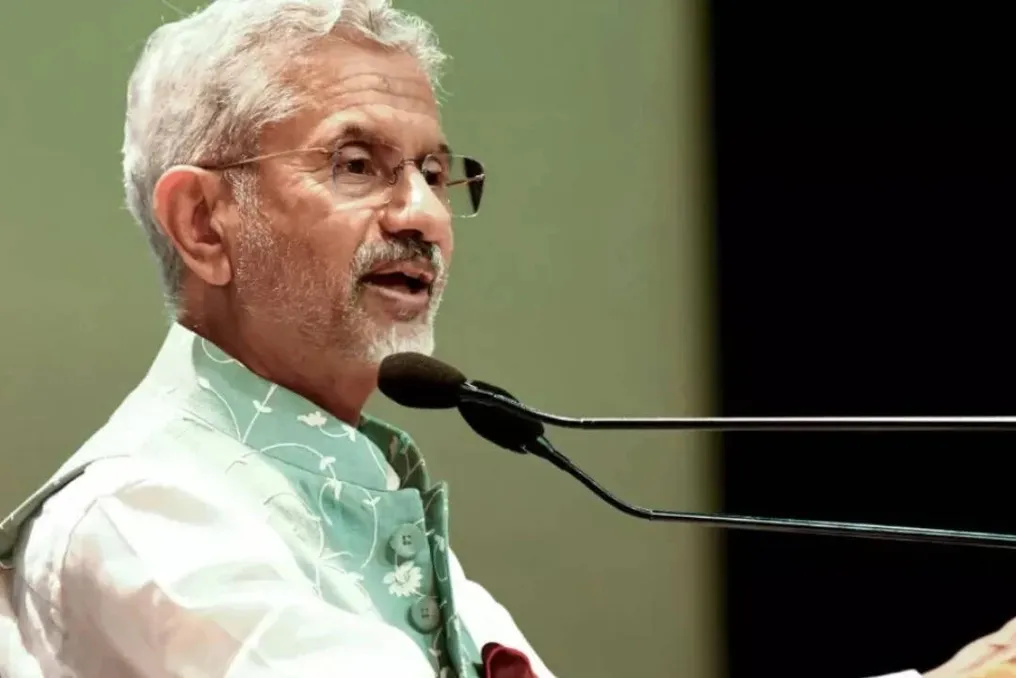
India's Minister of External Affairs S. Jhaishankar announced on Saturday that India and the United States have settled most of the issues concerning the proposed trade agreement, including tariff lines, and that the deal could be finalized in the near future.

Speaking at an interactive session, Jhaishankar noted that negotiations have reached the 'home stretch,' and both sides are working to resolve the remaining issues, according to the news agency PTI.

He emphasized that while most problems have been resolved, some concerns remain, with several originating from the American side. Jhaishankar expressed hope for a swift conclusion to the process, noting that everyone is becoming impatient recently.

The Foreign Minister explained that both countries have worked through the negotiations in detail, discussing individual tariff rates. He noted that the process was meticulous because each tariff line had to be considered separately, which takes a lot of time.

Nevertheless, he believes that thanks to the efforts made, they have come close to completion and hopes for a successful signing of the deal.

Jhaishankar specified that India aims for a trade agreement that is balanced and beneficial, providing its exports with a competitive advantage over comparable economies.

Jhaishankar's statements came ahead of Prime Minister Narendra Modi's expected visit to the US to participate in the G20 summit in Miami on December 14 and 15. It is anticipated that Modi and US President Donald Trump will discuss bilateral relations and progress in developing the trade agreement during the summit.

Earlier, last month, US Secretary of State Marco Rubio stated in Mumbai that both sides are very close to finalizing the agreement.

India and the US have been negotiating this pact since the beginning of 2025, with the goal of eliminating differences related to tariffs, eliminating non-tariff barriers, and improving market access for businesses in both countries.

Relations between India and the US experienced a downturn after Washington imposed punitive tariffs on Indian goods last year. Tensions also arose after Trump announced his role in de-escalating the military conflict between India and Pakistan in May 2025, which provoked a sharp reaction from Indian officials.

Piyush Goyal signals imminent announcement of trade agreement between India and the US
Read more
www.aajtak.in

Piyush Goyal signals imminent announcement of trade agreement between India and the US

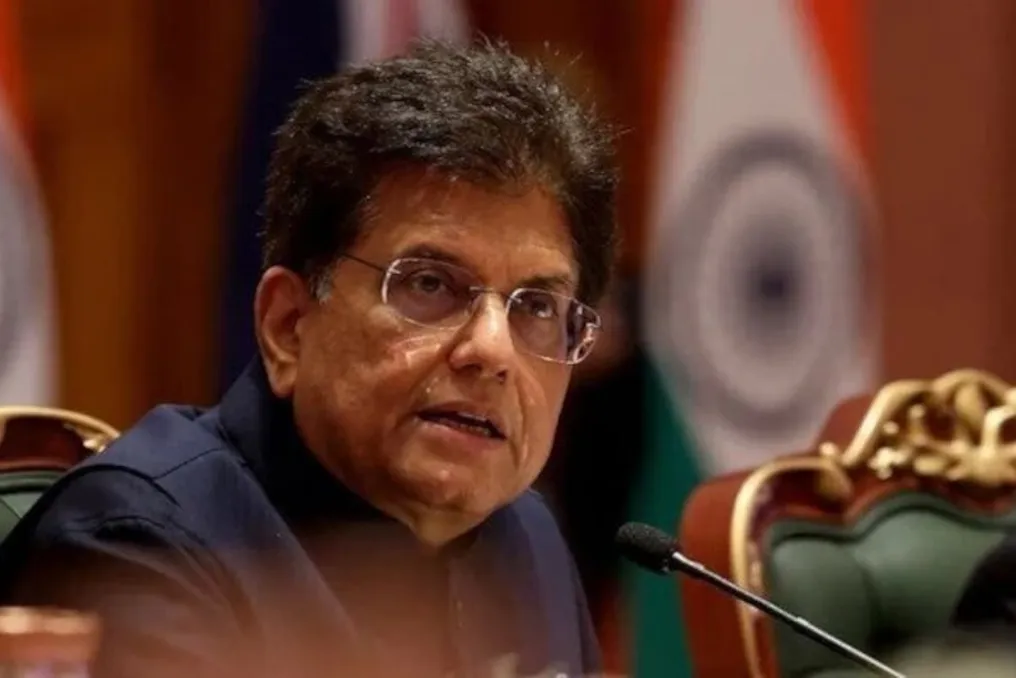
Good news regarding the proposed trade agreement between India and the US may be forthcoming, as negotiations between the two countries appear to have reached a final stage. The Union Minister of Commerce and Industry, Piyush Goyal, stated on Thursday that discussions on the agreement are proceeding in a very favorable atmosphere, with only a few issues remaining to be resolved. He hinted that the deal's announcement could happen in the near future.

Piyush Goyal emphasized that India will conclude one of the best trade agreements with the US, considering its interests. Meanwhile, former senior US diplomat Nisha Biswal expressed hope that both countries might attempt to finalize the first phase of the trade agreement by the G20 summit, scheduled for Florida next month. However, she acknowledged that the economies of both nations are complex, and reaching consensus on certain key issues will not be simple.

In an interview with Business Today, Piyush Goyal noted that India's negotiations with the US are progressing excellently. He added that the US is an important partner for India in the fields of trade and defense, and strong ties exist between the countries at many levels. According to Goyal, communication is taking place in a relaxed and friendly atmosphere, and there are currently no serious obstacles. In his view, some aspects related to the agreement remain, which both sides are actively addressing. He stated: 'You may hear the announcement of this agreement in the near future.'

Piyush Goyal reported that India has conducted active negotiations to achieve more favorable terms within this agreement. He expressed hope that India will gain highly favorable access to the American market for its key products. Goyal believes that India should receive better market access compared to other countries producing similar products and at a similar level of economic development. He said that after the agreement is signed, India could obtain the most preferential market access in the US for goods of interest to it.

Nisha Biswal, former Assistant Secretary of State for South and Central Asia, also expressed optimism about the trade deal. In an interview with an Indian news agency, she said there is a desire to conclude the first phase of the agreement between the two countries by the G20 summit, which will take place in Florida, USA, on December 14 and 15. President Donald Trump will chair this summit.

According to Nisha Biswal, trade negotiations between the countries are complex, and there are many issues requiring further discussion. She specifically mentioned the textile sector. India wishes to secure better market access in the US compared to its competitors. Biswal noted that it would be a challenging task for the American administration to implement this demand from India within existing trade rules.

The framework for the first phase of the Bilateral Trade Agreement was defined by India and the US in February of this year. This agreement was reached following telephone talks between Prime Minister Narendra Modi and US President Donald Trump. However, subsequent changes in US tariff policy forced both countries to resume negotiations. In the same month, a two-member team of American officials arrived in India. This group discussed trade and customs issues with Indian representatives. Piyush Goyal mentioned that the deputy chief negotiator of the American team held a separate dialogue with the Indian Customs Department on a specific matter.

When asked how the results of the recent US midterm elections would affect the pace of trade negotiations, Piyush Goyal replied that India does not link its trade relations to the domestic elections or political events of other countries. He stressed that India determines trade ties independently of internal elections or their outcomes in any country. Goyal noted that many countries around the world now view India as a reliable partner in trade and investment. He cited Guatemala and Ecuador as examples, which are showing interest in concluding separate trade agreements with India.

He added that if India were not a reliable partner, other countries would not show interest in entering into trade agreements with it or including it in their global value chain. Piyush Goyal called the trade agreement between India and the European Union (EU) the 'mother of all deals.' Nevertheless, he stated that it is premature to assess how India's current trade agreements have impacted exports. Some major agreements have not yet come into full force. Regarding the trade agreement with the UK, Piyush Goyal mentioned that practical difficulties related to the operational issue of whiskey may arise upon the new agreement coming into effect, and these are in the process of being resolved.

One of the important issues in the trade-US negotiations is also US tariff policy. The US introduced a 10% additional import duty on products from many countries starting July 24.
Popular