
Danger of taking painkillers: how medications can damage kidneys and what symptoms this causes
Read more
Aaj Tak
www.aajtak.in

Danger of taking painkillers: how medications can damage kidneys and what symptoms this causes

Currently, many people take pain relievers on their own without consulting a doctor. While a single use of medication is acceptable, regular intake of painkillers can cause problems for the kidneys, especially if the person already has kidney diseases. It is important to note that the effect of painkillers on the kidneys is not always immediate; sometimes it takes some time, but during this period, certain signs may appear in the body.

According to doctors, there is a significant increase in the use of common analgesics such as ibuprofen and diclofenac. These drugs are often used for knee, lower back, and back pain. However, they can reduce the kidneys' ability to filter blood, leading to a condition known as acute kidney failure. This problem may manifest several hours or even months after starting the medication.

Dr. Himanshu Tiwari from the nephrology department at Sar Gangaram Hospital in Delhi told Aajtak.in about this issue. He noted that he is approached by patients with kidney function disorders, some of whom take high doses of painkillers for many months, which is confirmed by medical data.

Dr. Tiwari emphasized that taking painkillers as prescribed by a doctor in established doses is safe. However, excessive use of these drugs without specialist consultation and without determining the true cause of the pain harms the kidneys, and the risk increases with prolonged use. In most cases, the damage caused by painkillers is also detected in the body.

Initially, there are often no obvious signs of kidney damage. Some people may experience symptoms such as decreased urine output, swelling in the legs or face, and general fatigue. Although these signs can be related to other diseases, if you are taking painkillers, you should not ignore them and should consult a nephrologist.

People suffering from chronic kidney disease, diabetes, or high blood pressure should exercise extra caution when using these medications. The risks also increase for the elderly and those suffering from dehydration due to vomiting, diarrhea, fever, or insufficient fluid intake.

It is important not to take medication on your own initiative. If pain occurs regularly, you must see a doctor to determine its root cause. If necessary, the doctor can check kidney function using creatinine and eGFR blood tests. Before taking medication with an existing kidney disease or another serious problem, specialist consultation is mandatory.
Similar stories

Experts explain whether lifelong medication is required for epilepsy and when treatment can be stopped
Read more
www.aajtak.in

Experts explain whether lifelong medication is required for epilepsy and when treatment can be stopped

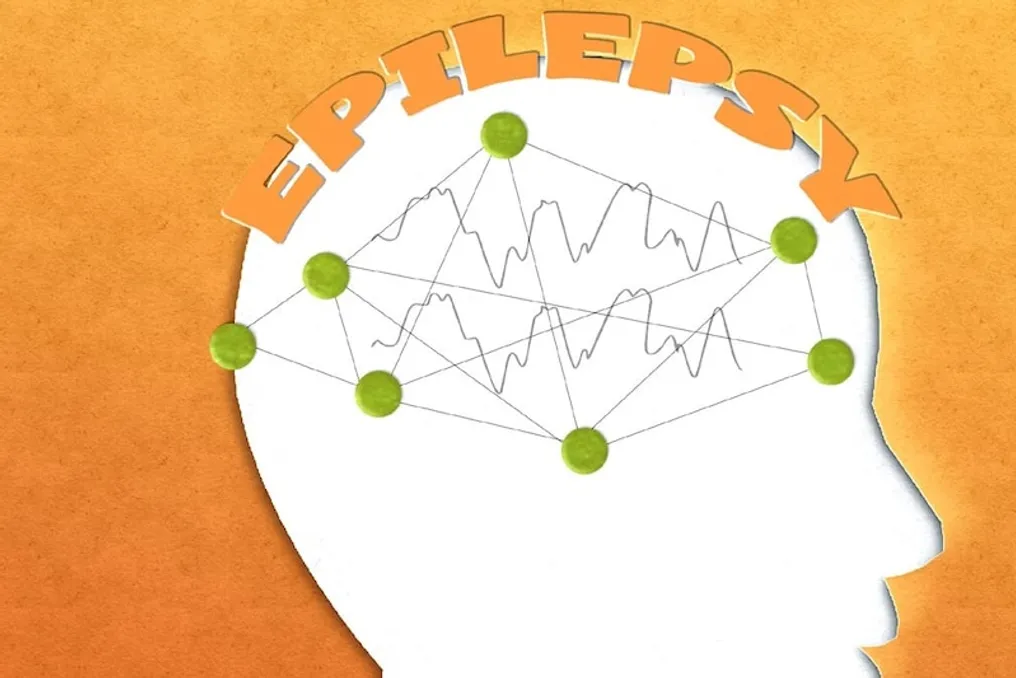
Epilepsy is a neurological disorder that requires medication control. The question arises as to whether these drugs need to be taken constantly. Before answering this question, it is important to understand what epilepsy is. According to doctors, our brain functions through electrical signals. When the functioning of these signals in the brain suddenly becomes abnormal for a period of time, a person may experience seizures, which are called epilepsy.

Seizures in epilepsy manifest differently in different people. Some patients may experience loss of consciousness or unconsciously start chewing their lips or making strange hand movements. However, the mere occurrence of a seizure is not sufficient grounds for an epilepsy diagnosis. For an accurate diagnosis, the doctor examines the patient's medical history, seizure symptoms, and, if necessary, orders examinations such as MRI.

Dr. Madhukar Bhardwaj, Director and Head of Neurology at Akash Healthcare, notes that approximately fifty million people worldwide suffer from epilepsy. With proper treatment, about 70 percent of such patients can control their seizures. For this, the patient is prescribed medications corresponding to the type of their condition. It is crucial to take the medication on time; missing a dose or stopping treatment without consulting a doctor can increase the risk of recurrent seizures.

Dr. Madhukar Bhardwaj emphasizes that not every patient needs to take medication for life. In some cases, after seizures have not occurred for at least two years, the possibility of discontinuing the drug can be considered. Nevertheless, this decision is made after a thorough analysis of the type of disease, the cause of the seizures, the results of examinations, and the patient's overall medical history. It is important to note that the medication is never stopped suddenly. If discontinuation is necessary, it is done gradually under a doctor's supervision.

Despite this, some patients with epilepsy may require long-term or lifelong medication.

During a seizure, the patient must be placed in a safe place and turned onto their side. Sharp objects should be removed from the surroundings, and one should not try to forcibly stop the convulsions. It is strictly forbidden to put a spoon, water, or any other object in the patient's mouth. If a seizure lasts more than five minutes or if a second seizure occurs before consciousness is restored, immediate medical help must be called. Folk remedies or advice from non-professional doctors should also not be relied upon.

Stopping antihypertensive drugs before surgery reduces the risk of perioperative hypotension
Read more
nplus1.ru

Stopping antihypertensive drugs before surgery reduces the risk of perioperative hypotension

In elderly patients suffering from arterial hypertension, discontinuing ACE inhibitors or angiotensin II receptor blockers in the morning before surgical intervention demonstrated a statistically significant reduction in the probability of developing perioperative hypotension and the need for vasopressors.

According to data published in The BMJ, this measure did not negatively affect the risk of complications or mortality within thirty days after the operation.

FDA issues warning about potential eye risks associated with weight loss drugs
Read more
www.aajtak.in

FDA issues warning about potential eye risks associated with weight loss drugs

The U.S. Food and Drug Administration (FDA) has issued a new warning regarding certain medications used to manage diabetes and obesity. Under this warning, the FDA has directed revisions to the safety labeling of GLP-1 drugs such as semaglutide and tirzepatide.

According to the FDA, consuming these drugs may carry a risk of developing a serious eye condition known medically as non-arteritic anterior ischemic optic neuropathy, which is also understood as an eye stroke.

An eye stroke is a condition where the optic nerve of the eye is damaged. The most concerning aspect is that patients often do not feel any pain, and sometimes upon waking up in the morning, there can be slight vision loss in one eye, causing blurred vision.

This research analyzed data from over 134,000 people across 126 clinical trials. The study found that approximately seven out of every hundred thousand individuals taking GLP-1 drugs are at risk of having an eye stroke. This research indicates that long-term use of these weight loss medications affects eye health, especially in individuals who take them without medical advice and at high doses.

A 2024 study published in JAMA Ophthalmology reported a significantly higher risk of non-arteritic anterior ischemic optic neuropathy among users of semaglutide. Based on this research, legal cases have been filed against Novo Nordisk and Eli Lilly in the United States.

Experts state that the FDA's warning does not mean that every patient will develop an eye disease from these drugs. A direct causal link between the use of these drugs and eye stroke has not yet been established. However, caution is necessary given the potential risks. Individuals taking semaglutide or tirzepatide should never stop the medication without consulting a doctor. If symptoms such as sudden decreased vision in one eye, blurred vision, or seeing darkness in front of the eyes appear, it is mandatory to consult an ophthalmologist immediately.

Popular