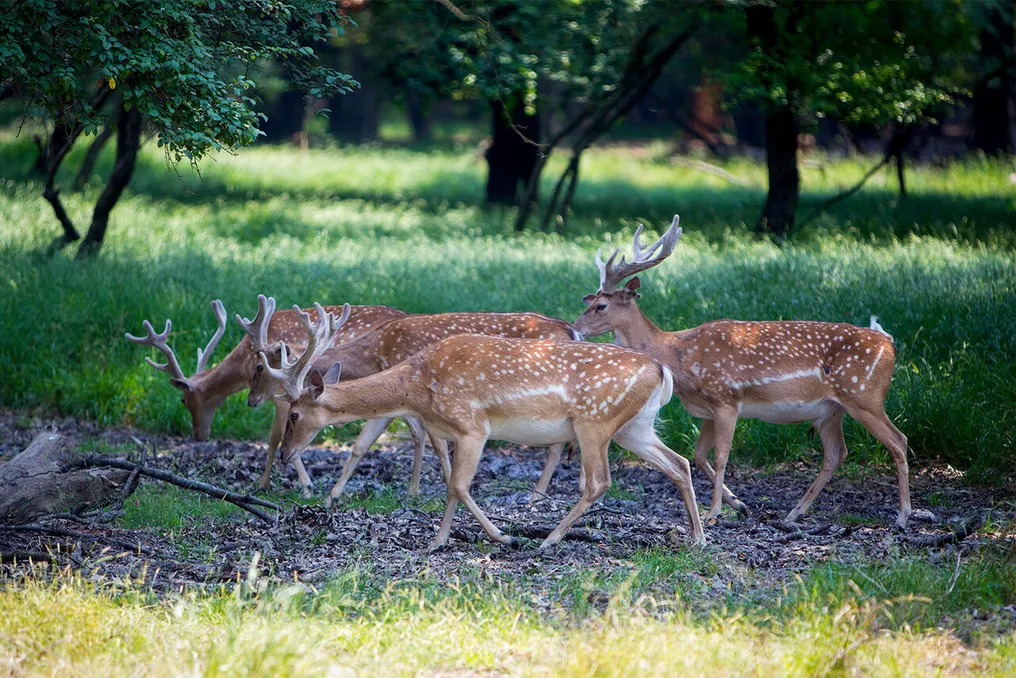
New management plan aims to strengthen the population of Persian gazelle
Read more
Tehran Times
www.tehrantimes.com

New management plan aims to strengthen the population of Persian gazelle

The Department of Environment (DOE) has begun implementing a set of corrective and management measures at Persian gazelle breeding sites to improve the population structure and increase the reproductive rates of this endangered species.

Masoumeh Safaei, Director General of the DOE's Wildlife Conservation and Management Authority, reported that in recent years, the Persian gazelle population at some breeding sites has either stagnated or grown slowly. According to her, after expert assessment and analysis of the problems identified by the Persian Technical Committee on Gazelles, practical steps have been determined to address these issues, as reported by IRNA.

One of the main priorities is the management and reorganization of male populations, as well as improving the sex ratio in these areas through targeted relocation and distribution of males. Work is also underway to modernize and repair enclosures to enhance protection and optimize population management.

Assessments revealed several factors contributing to population problems, including an unbalanced sex ratio, an excess of males, the presence of predators, limited space relative to population size, and certain dietary restrictions. Operational plans have been developed to eliminate these problems.

Safaei emphasized that these measures are intended to restore the species' populations in their natural habitat, promote scientific, targeted population management, improve living conditions, increase reproductive success in artificial breeding sites, and establish a solid foundational population.

According to the International Union for Conservation of Nature's (IUCN) Red List, the Persian gazelle (Dama mesopotamica) is classified as an endangered species. Nearly half a century ago, it was believed that this species had become extinct in the wild. However, four individuals were later discovered in the forests of Dez and Karkeh, which are its main natural habitats. These animals were relocated to various parts of the country as part of efforts to support breeding and ensure the survival of the species.

Thanks to conservation efforts, the Persian gazelle population has increased from five individuals in the Iranian calendar year 1398 (2019–2020) to 19 individuals this year.

The DOE is involved in developing genetic maps of endangered wildlife species to improve their chances of survival, support breeding programs, manage populations, and counteract threats to their existence in natural environments.

Effective conservation of endangered species requires a deep understanding of population genetics. Consequently, the DOE has included conducting genetic and molecular studies of key wildlife species across the country in its agenda to ensure that conservation and management decisions are based on reliable scientific data, according to Leila Ezzeddindulu, head of the National Museum of Natural History and Genetic Resources, quoted by IRNA.

She noted that these studies aim to preserve genetic diversity within and between populations, prevent a decline in effective population size, avoid inbreeding and genetic erosion, conserve genes adapted to different environmental conditions, and ensure genetic resources for species restoration, breeding, and reintroduction programs.

Ezzeddindulu also mentioned three research agreements signed between the DOE, the College of Agriculture and Natural Resources at Tehran University, and the University of Gorgan. Under these agreements, a project is being conducted to study the genomic diversity and phylogenetic relationships among populations of Levant viper and Latifi viper to develop conservation and treatment methods based on genomic markers.

Furthermore, work has begun on creating genetic profiles and maps for the Asiatic cheetah, Asiatic brown bear, and Persian gazelle, all of which are considered ecologically important and endangered species. Another aspect of scientific research cooperation includes assessing the genetic diversity, inbreeding, and kinship in the Persian zebra population. This study is being conducted jointly with the provincial office of the DOE in Yazd and is expected to contribute to small population management and help prevent the loss of genetic diversity.
Similar stories

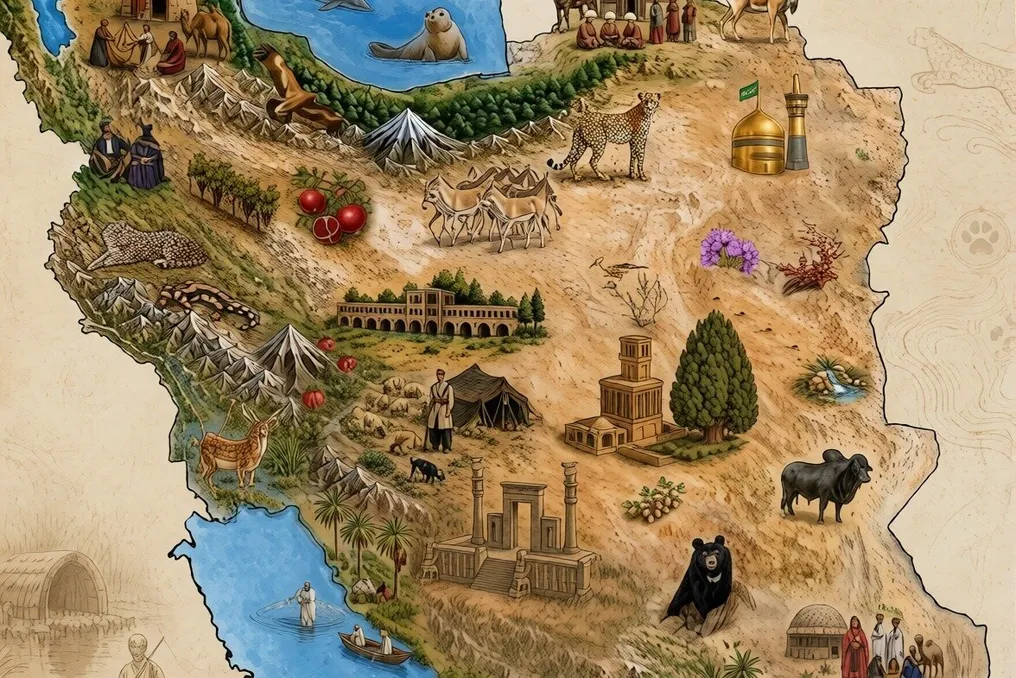
Iran Approves National Biodiversity Action Plan to Prevent Loss of Nature
Read more
www.tehrantimes.com

Iran Approves National Biodiversity Action Plan to Prevent Loss of Nature

The Department of Environment (DOE) has published the final version of the 'National Strategy and Action Plan for Biodiversity (NBSAP3)'. This document establishes the framework for halting and restoring lost biodiversity by 2030 and achieving harmony with nature by 2050 through comprehensive national participation.

According to IRNA, the development of NBSAP3 was part of a joint and far-sighted process, based on Iran's long-standing tradition of respect for nature, which aligns with both national and global goals, as well as the country's commitments in biodiversity.

The strategy aims to create a national system for the conservation, restoration, and sustainable use of biodiversity, consistent with the Kunming-Montreal Global Biodiversity Framework (KM-GBF). The goal of NBSAP is to protect Iran's valuable natural resources by integrating biodiversity conservation into the integral part of national development, public well-being, and Iranian identity, which requires the broad involvement of all levels of government and society.

On October 16, at the summit of heads of state and government held during the 17th Conference of the Parties to the Convention on Biological Diversity (COP17) in Yerevan, President Masoud Pezeshkian called for 'peace diplomacy' to protect biodiversity. He condemned the destructive impact of aggressive wars on the environment, calling it ecocide, and strongly urged the international community to establish effective, transparent, and enforceable mechanisms to protect natural heritage during military operations.

Pezeshkian emphasized that environmental cooperation can serve as a bridge between nations, asserting that biodiversity conservation can become an important pillar of 'peace diplomacy'. He noted that in a region facing security crises due to the illegal and expansionist presence of powers, as well as climate change, water scarcity, and ecosystem degradation, environmental interaction can foster connections between states.

The President also stated that today we are at a turning point in history where biodiversity has ceased to be solely a scientific or ecological issue; it has become a matter of peace, security, human health, food and water security, and intergenerational equity for all inhabitants of the planet.

He recalled that the Islamic Republic of Iran was one of the first countries to recognize the legal and international significance of this issue and became a party to the Convention on Biological Diversity (CBD). However, according to Pezeshkian, Iran's connection to biodiversity goes far beyond membership in an international convention.

Thanks to its ancient tradition of living in harmony with nature and the exceptional diversification of ecosystems, species, and genetic resources, Iran is a custodian of invaluable and irreplaceable natural wealth. This heritage is the result of millions of years of evolution, natural dynamics, and adaptation, and it is reflected in the culture, customs, way of life, traditional knowledge, and historical identity of the people of this land.

Due to its unique geographical location, Iran lies at the crossroads of several biogeographical regions. From the Girvan and Arasbar forests to the Zagros Mountains, from arid desert landscapes to the coasts of the Persian Gulf, the Oman Sea, and the Caspian Sea, Iran is home to thousands of plant and animal species, as well as valuable genetic resources. These natural assets ensure the country's ecological stability and sustainability, serve as a vital basis for water and food security and public health, strengthen resilience to natural disasters, and are a cornerstone of sustainable development.

In Iran, biodiversity, along with climatic and geographical diversity, is deeply intertwined with human history and civilization. Friendship with nature, respect for it, and its protection are an integral part of the cultural, religious, and ritual identity of Iranians. Nature has long been viewed as an inseparable part of human life and a trust that must be preserved for future generations. Many traditional ways of life, agricultural and animal husbandry methods, the use of medicinal plants, and local knowledge of Iranian communities have evolved over time through understanding and adaptation to nature, reflecting thousands of years of interaction between humans and the natural world. Thus, for Iran, biodiversity conservation means more than just protecting species and their habitats; it means preserving natural, cultural, and civilizational heritage.

Iran is among the 20 countries in the world with a high level of biodiversity and is home to numerous plant and animal species. Nevertheless, certain actions in recent years have led to habitat destruction and placed many species on the brink of extinction.

To date, over two million plant and animal species have been identified globally, of which 43,000 are found in Iran. There are 11 types of ecosystems worldwide, including aquatic, terrestrial, natural, and artificial. Iran possesses 9 of these 11 ecosystems. Furthermore, out of 42 types of wetlands globally, 41 types have been identified in Iran.

According to the DOE, approximately 2,000 animal species have been identified in the country's ecosystems, including mammals, birds, reptiles, amphibians, and freshwater fish, as well as about 1,200 fish species. Among these species are 210 mammal species, 640 bird species, 300 reptile species, 23 amphibian species, and 350 freshwater fish species. However, Iran's biodiversity, like that of the entire world, faces numerous challenges such as habitat destruction, poaching, drought, and climate change.

To enhance the protection of wildlife and their habitats across the country based on a targeted and strategic approach, the DOE is implementing a set of conservation measures, scientific, legal, and operational initiatives, whose priorities are determined by data and scientific research. According to Peyman Valizadeh, a DOE official, the Department is focusing on a more scientific approach to develop and implement conservation measures tailored to the specific needs of each species and habitat.

Currently, plans have been prepared for the conservation of 25 endangered species, and another thirteen plans are being developed. These plans provide a clear framework for species conservation, defining the species status, main threats, conservation priorities, necessary actions, and evaluation indicators, he noted.

Nevertheless, the DOE faces some difficulties in implementing these measures at the national and provincial levels. One of the most serious problems is ensuring funding for the execution of the plans. Another problem is the development of specialized capacity for species conservation. A lack of trained, specialized personnel hinders the effective implementation of conservation plans. Therefore, training specialized staff, developing expert potential in provinces, and strengthening the headquarters' scientific and technical capabilities are on the agenda, the official stressed.

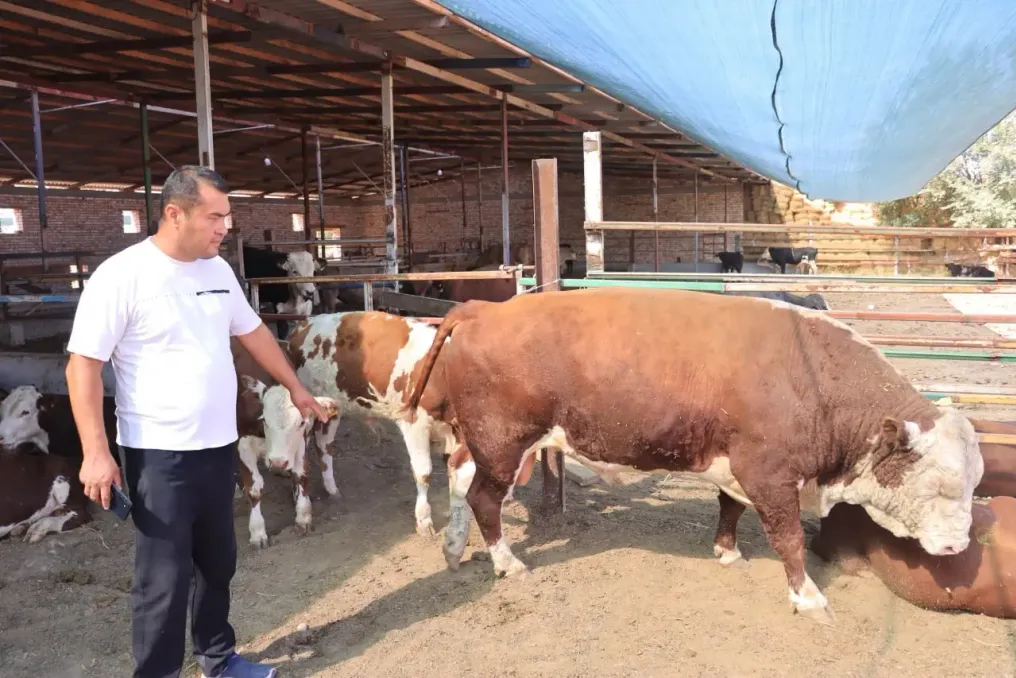
Uzbekistan presents measures to develop the livestock sector following public criticism
Read more
uzdaily.uz

Uzbekistan presents measures to develop the livestock sector following public criticism

The Agency for Livestock and Pasture Development of Uzbekistan has published a number of measures aimed at improving access to pastures, supporting local livestock producers, and increasing production efficiency, in response to public criticism of the sector.

This statement was made by the agency, which falls under the Ministry of Agriculture, after critical materials and discussions regarding the state of animal husbandry, public access to pastures, and the ability of households to keep livestock were published on social media.

The agency emphasized that livestock development goes beyond simply increasing the number of animals; it also requires strengthening the feed base, rational use of pastures, expanding opportunities for the population, and improving overall production efficiency.

One of the key issues identified during the analysis was access to pastures for rural residents, as keeping livestock remains a source of income and a means of satisfying daily needs for many families.

Presidential Decree No. PP-374 of October 14, 2026, provides for the creation of public pastures on unused land. These areas are intended for grazing livestock kept by local residents in households.

This decree also guarantees free public use of these zones according to established procedures and introduces new pasture management mechanisms.

Other measures include assessing the condition of pastures, determining the degree of their degradation, and implementing an electronic monitoring system. The document also requires ensuring that these territories are used for their intended purpose and managed effectively.

Nevertheless, the agency noted that the adoption of regulatory acts alone will not solve existing problems. The need to assess the practical implementation of measures, the accessibility of pastures for residents, and the obstacles faced by local farmers was highlighted.

The agency also commented on public discussions about meat imports, stating that the state of domestic livestock farming cannot be judged solely by import volumes. A proper analysis must take into account domestic production, household consumption, demand from the tourism industry, livestock productivity, feed costs, and the supply-demand balance.

Increasing the production capacity of local livestock farming is defined as one of the agency's main priorities. Planned steps include developing breeding and rearing programs, improving feed supplies, introducing modern technologies, and expanding the production capabilities of farmers and entrepreneurs.

Presidential Decree No. PP-179 of May 12, 2026, also sets target indicators for livestock development in these regions.

The agency viewed the public criticism as a sign of interest in the sector's development. However, it clarified that accusations of illegal seizure of pastures, monopolistic conditions, or violations of land user rights must be investigated by authorized bodies based on documents and concrete evidence.

The agency expressed its readiness to consider appeals and suggestions from farmers, livestock breeders, specialists, and the public, and stated its willingness to cooperate with other government agencies to solve problems in the sector.

The statement outlined key priorities: eliminating the causes of existing difficulties, improving access to pastures and feed, increasing productivity, and protecting the economic interests of local livestock breeders. The ultimate goal is to create conditions for the development of farms, expand public participation in animal husbandry, and ensure sustainable growth of domestic production.

Popular