World Bank Discussed Tax Administration Reform with Uzbekistan
Read more
UzDaily
uzdaily.uz

World Bank Discussed Tax Administration Reform with Uzbekistan

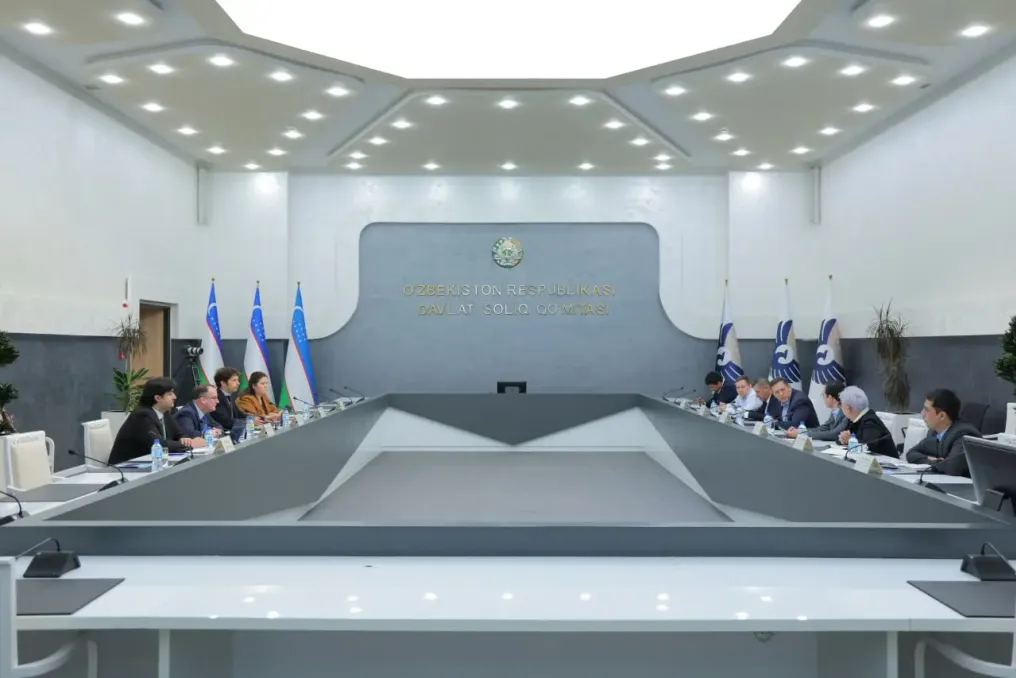
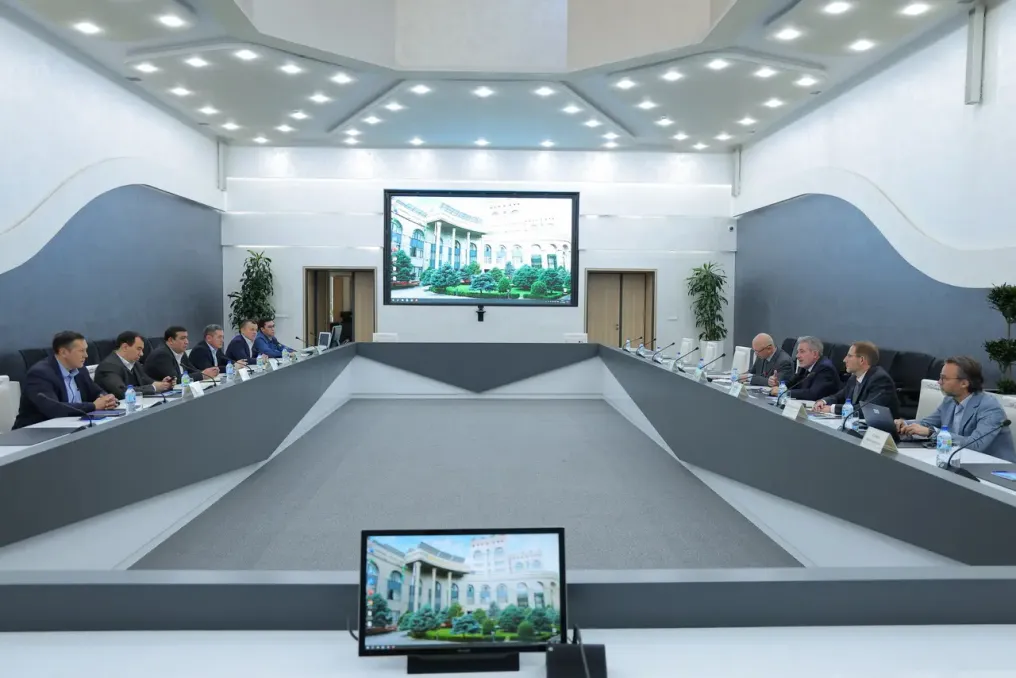
The Tax Committee of Uzbekistan held technical consultations with a delegation from the World Bank regarding tax administration reform. These meetings took place on November 19–20, 2026, as reported by the commission.

The delegation was headed by Jan Loeprik, a World Bank specialist in public governance. The consultations were part of the Global Tax Program (GTP) mission. Senior officials and specialists from relevant departments of the Tax Committee participated in the discussions.

The parties examined the possibilities of applying analytical tools and artificial intelligence in the field of tax administration. Special attention was paid to using these technologies for analyzing tax data and managing tax risks.

Another part of the consultations was dedicated to international taxation. Participants discussed transfer pricing, the taxation of transactions between affiliated parties, and the application of international tax agreements.

Furthermore, the parties reviewed issues of tax information exchange and the global minimum tax. Representatives from both sides exchanged views on existing legal and administrative mechanisms in these areas.

Following the meetings, World Bank representatives will prepare proposals for further technical assistance to Uzbekistan in reforming tax administration and improving the qualifications of tax employees. They also plan to study potential areas for joint projects.
Similar stories

Uzbekistan and ICAO Discuss Civil Aviation Reforms and Audit Preparation
Read more
uzdaily.uz

Uzbekistan and ICAO Discuss Civil Aviation Reforms and Audit Preparation

The Uzbekistan Aviation Agency reported that Uzbekistan and the International Civil Aviation Organization (ICAO) held discussions on the development of the aviation sector, current reforms, and preparation for an upcoming audit.

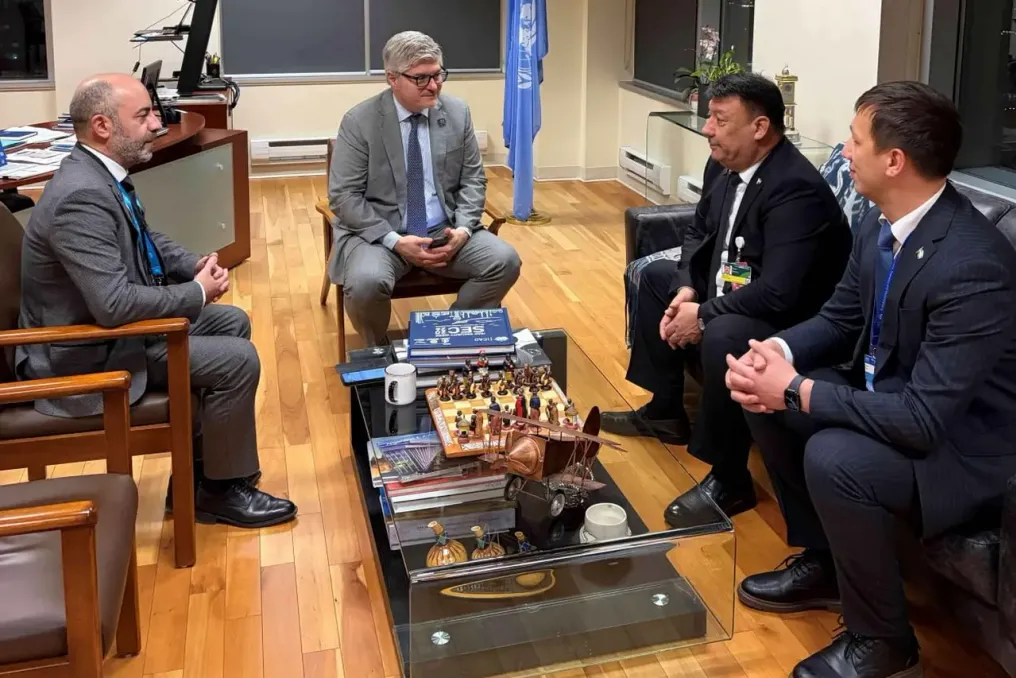
The meeting took place on November 19, 2026, in Montreal during the 43rd Extraordinary Session of the ICAO Assembly. The delegation from Uzbekistan was headed by Tahir Nazarov, Director of the Uzbekistan Aviation Agency.

The negotiations were also attended by ICAO Secretary General Juan Carlos Salazar and ICAO Regional Director for Europe and North Atlantic, Nicolas Rallo. The parties reviewed the state of civil aviation in Uzbekistan, ongoing reforms, and readiness for the forthcoming ICAO audit.

Nazarov presented information on sector development, achieved results, and the main directions of reform. The reform program includes modernizing aviation infrastructure, improving the management system, and strengthening the institutional base of the sector.

Participants noted that the development of civil aviation is a priority of state policy. They emphasized that this contributes to expanding the country's transport capabilities, attracting investment, and strengthening its position in the international transport system.

Furthermore, the parties discussed cooperation within the framework of the country's Strategic Action Plan for 2024–2026 (COSPA) and identified areas for further interaction. Priorities include strengthening the state supervision system for safety, implementing ICAO Standards and Recommended Practices (SARPs), developing aviation infrastructure, and improving safety and quality management systems.

Participants highlighted the need for phased sector development considering available resources and aviation safety priorities. The importance of timely identification of systemic risks and increasing the supervisory capabilities of the aviation administration was also noted.

ICAO Secretary General Juan Carlos Salazar expressed his readiness to expand cooperation and support Uzbekistan in implementing the program for the modernization and transformation of its civil aviation sector institutions.

Uzbekistan and World Bank Discuss Land Tax Reform
Read more
uzdaily.uz

Uzbekistan and World Bank Discuss Land Tax Reform

The Tax Committee of Uzbekistan and the World Bank held a meeting on November 17 to discuss improving land and property taxation in the context of urban infrastructure development, according to the committee's press service.

Discussion of Taxation Mechanisms

As part of the World Bank's technical mission on Land Value Capture (LVC), a meeting was held with a delegation led by Roland White. Participants reviewed the current methods for taxing land plots and real estate in the country's cities. Furthermore, they discussed methods for determining the taxable value of land and property.

The parties examined approaches to more accurately accounting for the growth in the value of land and real estate when calculating tax revenues. Special attention was paid to the revenue base of city budgets. Improvements in property and land taxation, as well as the application of LVC tools, were discussed.

These mechanisms allow for the consideration of land value appreciation associated with the development of urban infrastructure, construction of transport facilities, and implementation of urban planning projects.

International Experience and Future Cooperation

World Bank representatives presented international experience in applying the concept of Land Value Capture. They emphasized the importance of such tools for the financial sustainability of cities and attracting additional funding for infrastructure development.

As a result, the parties agreed to continue their joint work. This work will include studying global practices, assessing the suitability of various LVC tools for Uzbekistan, and conducting analytical research taking into account national specifics. It is expected that further cooperation will help find ways to strengthen the financial autonomy of local budgets and support sustainable urban development.

Central Banks of Uzbekistan and Azerbaijan Exchanged Management Experience
Read more
uzdaily.uz

Central Banks of Uzbekistan and Azerbaijan Exchanged Management Experience

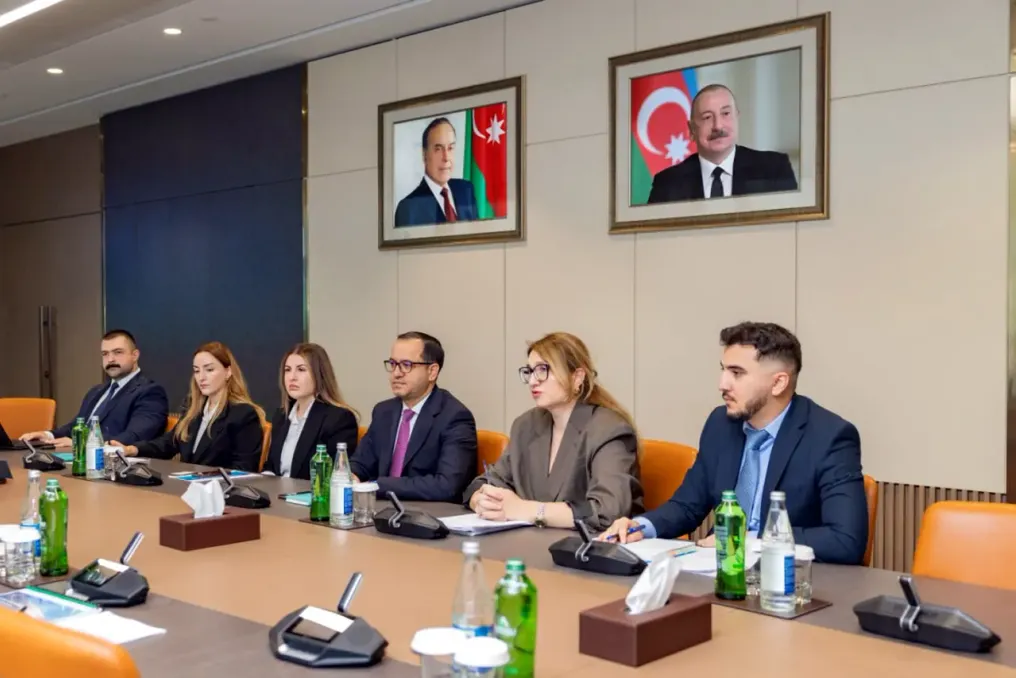
A delegation from the Central Bank of Uzbekistan visited the Central Bank of Azerbaijan from October 28 to 29, 2026. Bilateral meetings were held in Baku focusing on strategic planning, project management, and improving business processes.

During the negotiations, representatives of the two financial regulators exchanged knowledge on developing and implementing strategic documents, as well as on applying strategic management models and project portfolio management.

Particular attention was paid to digital transformation, as well as practical methods for optimizing and reorganizing workflows. The purpose of the visit was to analyze the experience of the central banks of both countries in the field of strategic and project management, as well as to develop cooperation and exchange views on implementing effective management practices.

Popular