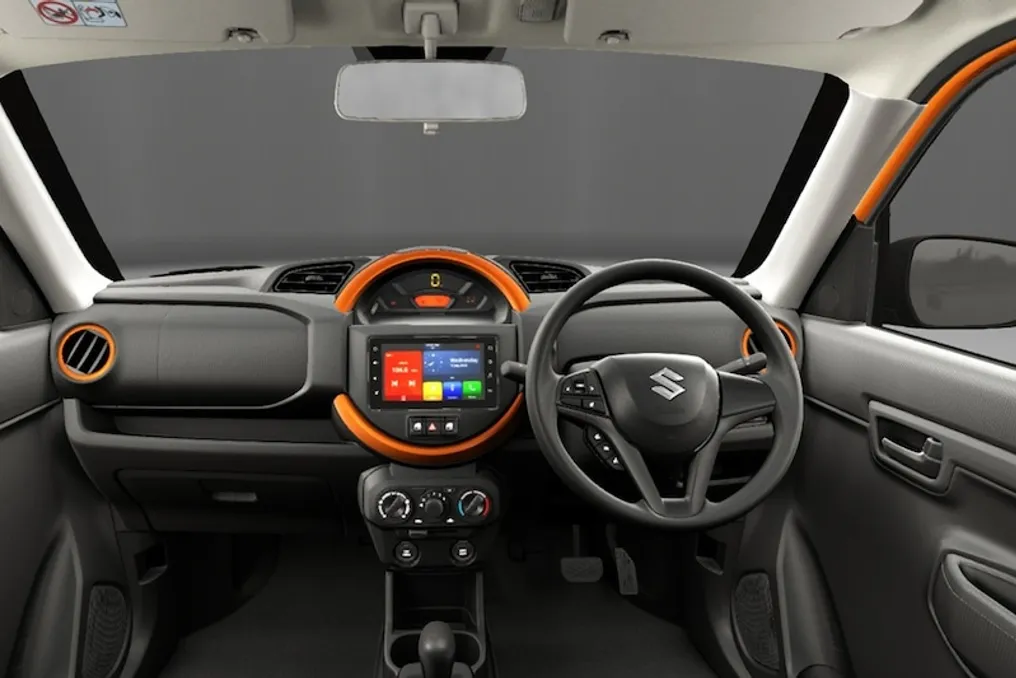
Maruti Suzuki, the country's largest car manufacturer, has once again informed customers about price increases for several selected models. This increase took effect on Sunday, November 22, 2026. If buyers were planning to purchase a new Maruti vehicle, they will now have to pay slightly more than before.
The company explained the decision to raise prices by citing a continuous rise in production costs. Nevertheless, Maruti has tried to minimize the impact of this increase on end consumers.
Information provided to the stock market indicated that the decision to increase prices on certain models was made due to rising input costs. These new rates are effective from November 22, 2026. According to the company, the average price increase was approximately 0.31 percent, which is the volume-weighted average increase across various models.
Maruti stated that continuous steps are being taken to reduce costs, but under current conditions, it became necessary to pass some of the increased expenses on to customers. The company emphasized that it is trying to keep this increase at the lowest possible level. Detailed information on the new prices for all models has not yet been disclosed.
This price hike occurred during a period when Maruti Suzuki had already adjusted its prices three times in the first half of the 2027 fiscal year. Summing up all these increases, the total increase in vehicle cost exceeded 1 percent. Following the recent November increase, buyers will have to pay even more for the company's selected vehicles.
It is worth noting that despite strong sales growth for Maruti Suzuki, the company's profit remains under pressure. In the second quarter of the 2027 fiscal year, the company's consolidated net profit decreased by 26.36 percent year-on-year, amounting to 2.4661 billion rupees. However, during the same period, the company achieved record quarterly sales and demonstrated significant revenue growth.
The profit decline is linked to the rise in raw material prices, which was influenced by the conflict ongoing in the Middle East, affecting the company's costs. Consequently, the company's EBITDA operating margin fell to 9.4 percent in the second quarter compared to 12.7 percent in the same period last year.
Although Maruti benefited from higher sales and improved prices in the second quarter, rising expenses significantly reduced this benefit. The company also cut marketing expenses as part of cost control. Nevertheless, cost pressure has not eased. Following the second-quarter results, the company hinted at the possibility of price changes in the second half of the fiscal year, and it has now taken this step by making some models more expensive.