Tenneco Clean Air India is exploring acquisition opportunities in the railway, aerospace, and defense sectors while expanding its automotive portfolio, which covers internal combustion engines, hybrid, and electric vehicles.
According to a senior company official, the auto component manufacturer is looking at options to expand and diversify its business beyond the automotive industry.
The company is examining possibilities in industrial markets, including the railway, aerospace, and defense sectors. Furthermore, it aims to enter the automotive product market that is independent of the powertrain type and can be used in both internal combustion engines and hybrid and electric vehicles.
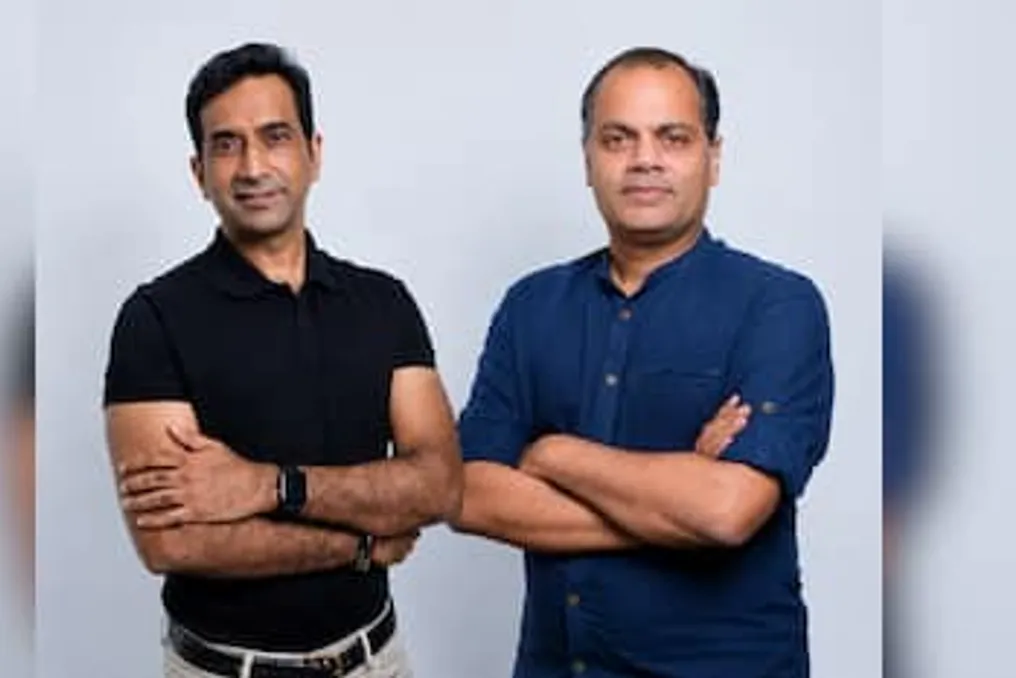
Chief Executive Officer Arvind Chandra told PTI that the company is seeking both related and unrelated diversification, and is also considering inorganic mergers and acquisitions, in which he expressed significant enthusiasm.
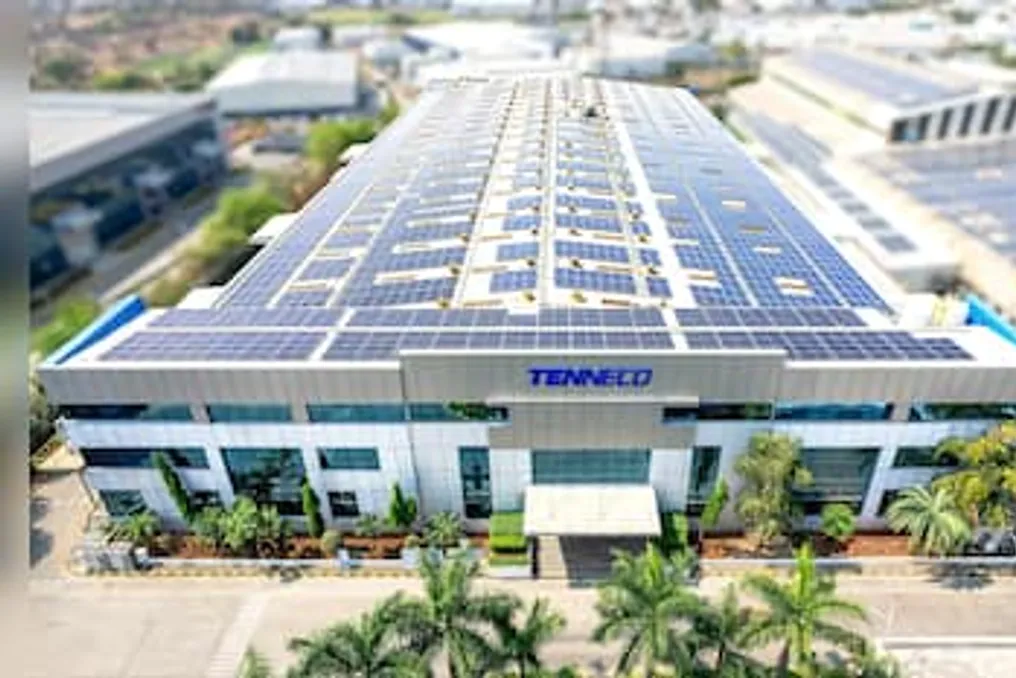
Tenneco is an automotive components manufacturer whose areas include clean air solutions, powertrains, and advanced suspension technologies. Its products include exhaust aftertreatment systems, bearings, spark plugs, and suspension systems.
One of the main reasons Tenneco is considering diversification into new areas is the historical cyclical nature of demand in the automotive market. Inorganic growth would allow the company to quickly enter a new, faster-growing field.
Chandra specified that when selecting acquisition targets, they must possess strong technologies, acceptable margins, and a clear market position. A global business with development plans in India would also be attractive.
He emphasized that a potential target must have a distinct strength and, naturally, must be connected to the 'history of India' so that the company can leverage this asset.
When asked about the most promising sectors for growth, he replied that he could not provide more detailed comments as they are studying quite many areas.
Referring to Tenneco's ability to generate cash flow and lack of debt, Chandra noted that the company has the capacity to undertake a major acquisition.
He stated: 'We generate a lot of cash from our balance sheet. We are a zero-debt company... We can make a good, worthy, large acquisition with the money we have.'
Meanwhile, Tenneco is working to expand its core automotive segment by increasing the portfolio for various types of powertrains. He noted that the company's internal strategy involves growth, and they aim to become 'powertrain independent,' meaning having a product suitable for all three categories: ICE, electric, or hybrid vehicles.
Tenneco has a strong order book, which management believes will help the company grow at double-digit rates until 2030. Chandra reported that the order volume reached 16,500 crore rupees, compared to approximately 12,000 crore rupees in the previous quarter.
The order volume represents contract volumes. He added that new business usually takes about 12–18 months before production begins, followed by a ramp-up period. Chandra suggested that the program won in 2026 might reach full production capacity around mid-2028.
Currently, suspension parts account for about 65 percent of the current order volume, with clean air and powertrain products making up the remainder. This shift reflects the growing demand for premium suspension systems, including semi-active technology and the company's DaVinci product.
Chandra noted that 'Suspension is growing much faster because it is disrupting the Indian market through premiumization.'
Tenneco's revenue structure has also begun to shift towards suspension. Previously, revenue was distributed evenly among suspension, clean air, and powertrains, but now it accounts for about 51 percent from suspension and 49 percent from other segments.
Chandra also reported that the demand for the company's suspension technology has extended beyond the first automaker, and other manufacturers are interested in using the company's shock absorbers.