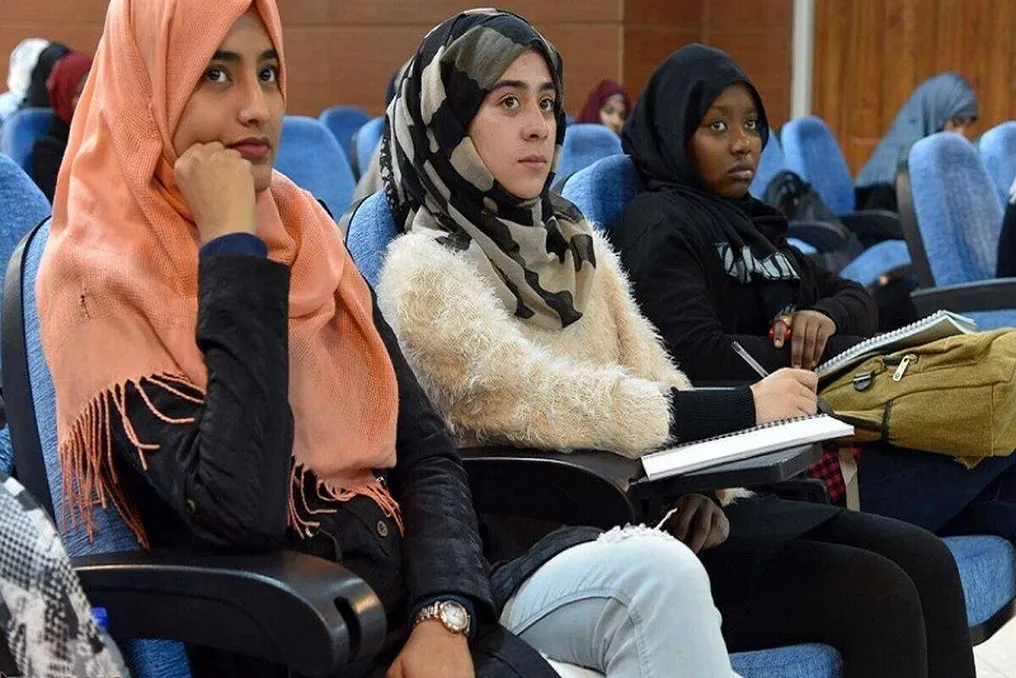
Iranian officials discussed ways to enhance academic cooperation with East African countries, with a particular focus on Kenya. Key discussion areas included developing skills-based courses and implementing e-learning programs for postgraduate students, as well as improving strategies for attracting outstanding international students.
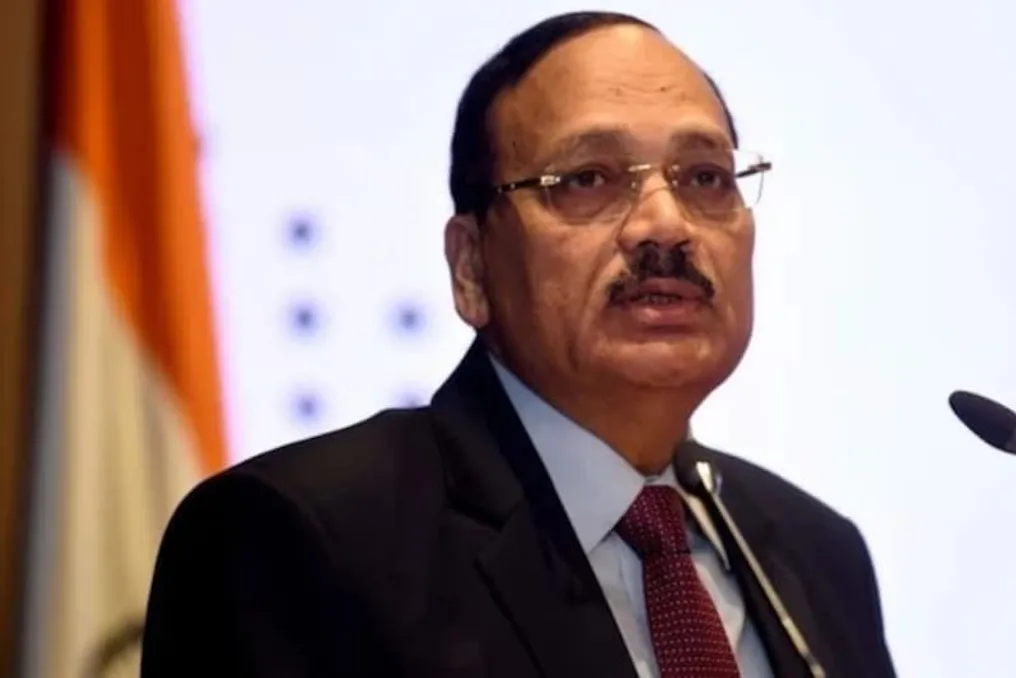
These discussions took place during the fourth specialized online meeting on attracting international students, held on Saturday. According to an IRNA report, participants included Abbas Ghanbari-Baghestan, Deputy Head of the Ministry of Science, Research and Technology's Student Affairs Organization, and Mehdi Beigi, the Iranian Ambassador to Kenya.
The potential of Kenyan education was reviewed, along with promoting problem-oriented research, facilitating technology exchange, and developing interaction between the state scientific institutions and universities of both countries.
Participants also emphasized the need to hold B2B (business-to-business) meetings parallel to G2G (government-to-government) diplomacy. Furthermore, the importance of utilizing local market potential and maintaining constant contact between cultural attachés and student recruitment bodies was noted.
Other issues raised included using Iran's target universities as centers for expanding scientific and cultural ties, as well as training a new generation of specialists and researchers in Iranian studies in Africa, based on a deep understanding of current events.
According to the Seventh National Development Plan (2023–2028), the number of foreign students in the country is projected to increase to 320,000, compared to the current approximately 60,000. To achieve this goal, the higher education system must adopt a number of institutional and developmental measures within organizations related to international students, as reported by Mehr agency.
In this regard, the Parliamentary Research Center analyzed Iran's situation in attracting international students and identified necessary steps. According to the report, the number of foreign students in the country increased from 13,767 in the Iranian year 1394 (2015–2016) to 68,563 in 1403 (2024–2025). Over the last decade, the number of educational institutions authorized to accept international students has significantly increased from 45 to 206.
The report also showed that parliament officially adopted 13 acts, such as providing short-term leave, issuing visas, establishing a foreign student alumni center, and conducting remedial courses, as part of the educational charter for international students; however, these acts have not been implemented promptly. Moreover, major national organizations and institutions are not involved in planning cultural programs for international students.
Among the recognized problems were the lack of strategic, comprehensive marketing skills, as well as bureaucratic and lengthy correspondence. The Parliamentary Research Center proposed several measures to increase the number of attracted international students. The most important proposal is adopting a revenue-oriented approach, soft cultural power, and scientific development. Another suggestion emphasizes the importance of strengthening South-South international ties, meaning developing political and economic interaction with densely populated countries such as Pakistan, India, Egypt, and some Central Asian countries. Other suggested solutions include continuous evaluation of other countries' student attraction policies, developing software and hardware, stable and secure networks, and increasing the number of scholarships.