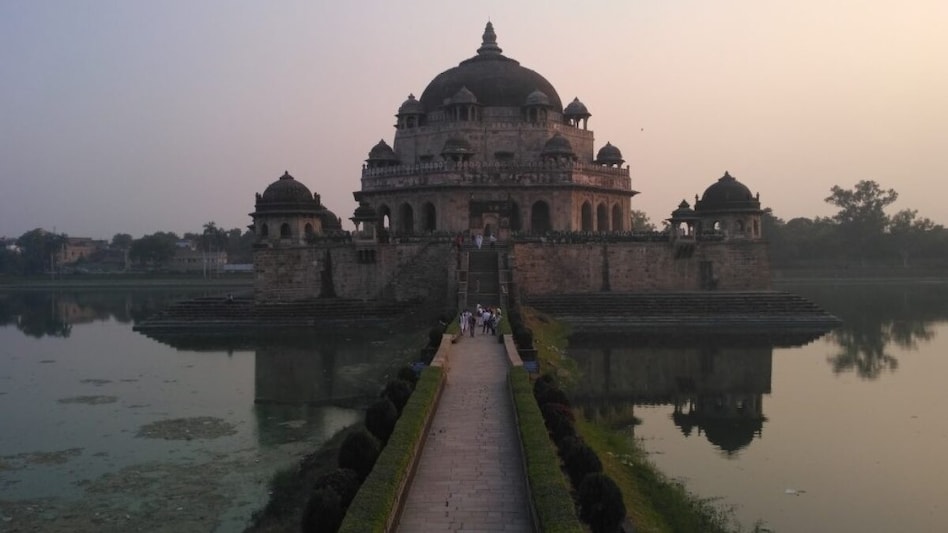
NGT takes action regarding Sheri Shah Suri mausoleum due to structural decay and falling stones
Read more
Aaj Tak
www.aajtak.in

NGT takes action regarding Sheri Shah Suri mausoleum due to structural decay and falling stones

The National Green Tribunal (NGT) has taken necessary steps concerning the historical mausoleum of Sheri Shah Suri, located in Sasaram, Rohtas district, Bihar. The Tribunal registered the case, showing initiative, due to concerns about the deteriorating structure of the mausoleum, falling stones from the dome, and water pollution in the artificial lake on the complex grounds.

The main office of the NGT in New Delhi initiated these actions on September 29, 2026, based on a news report published in India Today. This report raised serious questions regarding the preservation of the mausoleum and the condition of the water sources around it.

According to the report, stones are collapsing from the dome of the Sheri Shah Suri mausoleum, raising concerns about the structural integrity of this historical monument. Furthermore, the situation regarding the ownership and management of the canals supplying water to the artificial lake surrounding the mausoleum is unclear.

Questions were also raised about regular water quality monitoring in the lake and preventing pollution. The NGT took these issues very seriously, considering them to raise important matters related to environmental protection and water contamination.

The Tribunal preliminarily determined that there are issues subject to consideration under the provisions of the Environment Protection Act, 1986, and the Water (Prevention and Control of Pollution) Act, 1974. Consequently, the NGT sent notifications to the relevant government departments and authorities, making them respondents in this case.
Similar stories

Sale of building in Samarkand raises concerns about the preservation of the 'Farhad' metal panel
Read more
podrobno.uz

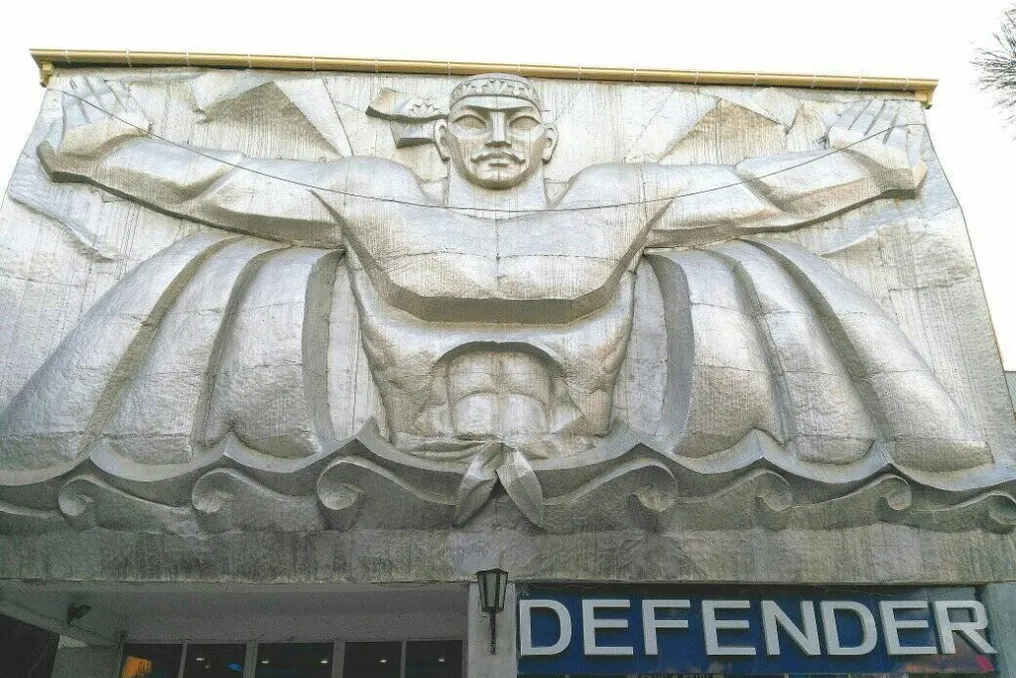
Sale of building in Samarkand raises concerns about the preservation of the 'Farhad' metal panel

The sale of the former water management building in Samarkand has sparked concern regarding the future of the 'Farhad' metal panel, which has adorned the facade of this structure for over half a century. Local activists express fears that this work of art may be damaged during the upcoming reconstruction of the building.

The building is located at Gagarin Street, 70. On its exterior wall is an embossed metal panel created by artists Yuri Usakovsky and Vladimir Bokhan. This work is recognized as an outstanding example of Samarkand's monumental art from the Soviet period.

After the news of the building's sale became known to city residents, they noticed that the panel was not listed separately in the auction documentation. This fact caused alarm over the future fate of the artwork.

Activists proposed conducting a historical and cultural expert examination, as well as considering granting the panel protected status to ensure its preservation in its current location.

The Agency for Cultural Heritage studied the situation and determined that the building itself is not included in the National Register of Immovable Cultural Heritage Objects. Nevertheless, the agency confirmed the artistic and public value of the panel located on this object.

Elmurod Nazimov, the agency's first deputy director, stated that they would discuss the prospects for preserving the panel and would make efforts to find a solution that protects the work from destruction. Now, the further destiny of 'Farhad' will depend on negotiations with the new owner, and it is unclear whether it will remain in its historic place or what specific steps will be taken to protect it.

It is worth noting that previously, a decision was made in the Yunusabad district of Tashkent to preserve rare mosaics on the building of the former tuberculosis dispensary, which is slated for demolition.

Popular