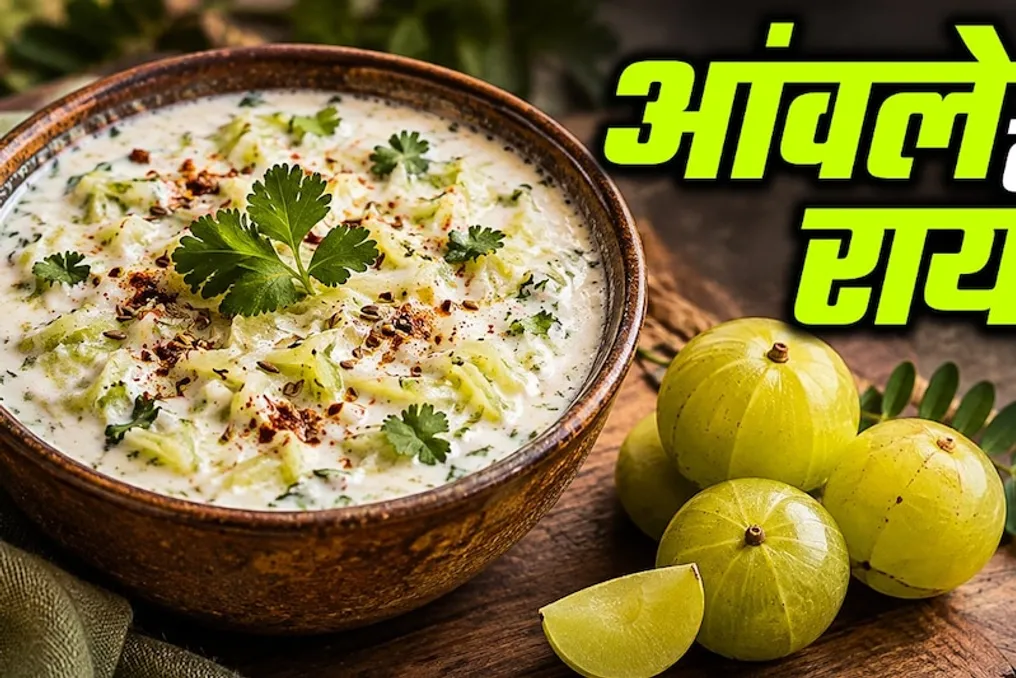
Spicy Amla Raita Recipe: An Alternative to Boring Boondi Raita for Lunch
Read more
Aaj Tak
www.aajtak.in

Spicy Amla Raita Recipe: An Alternative to Boring Boondi Raita for Lunch

If you are tired of the usual boondi or onion raita options, we suggest preparing spicy amla raita. This option is not only very tasty but also healthy.

During the cold season, raita with boondi or cucumber is often served with lunch. However, if you are tired of monotonous dishes, raita with amla is an excellent and super healthy alternative during winter. Amla, rich in Vitamin C and fiber, loses its tartness when mixed with fresh yogurt, black salt, and an aromatic tadka made from fenugreek seeds and curry leaves. This easily digestible raita significantly enhances the flavor of simple rice with lentils, paratha, or puri.

For preparation, you will need: 3-4 fresh amlas (boiled), 1.5 cups of fresh thick yogurt (well whipped), 1-2 green chilies (finely chopped), half a teaspoon of ground cumin, half a teaspoon of black salt, salt to taste, 1 large tablespoon of finely chopped coriander. For the tadka: 1 teaspoon of oil, half a teaspoon of fenugreek seeds, a pinch of asafoetida, 5-6 curry leaves.

First, whip the yogurt: take 1.5 cups of fresh yogurt in a large bowl and whisk it with a whisk or mixer until smooth. Then add the grated boiled amla, finely chopped green chili, ground cumin, black salt, and regular salt to the whipped yogurt, mixing all components thoroughly.

Next, prepare the tadka: heat 1 teaspoon of oil in a small pan. Add fenugreek seeds, asafoetida, and curry leaves, frying until fragrant. Immediately pour the prepared tadka over the yogurt and amla mixture, then cover with a lid so that the aroma of the tadka permeates the raita.

After one minute, remove the lid, mix well, and garnish with finely chopped coriander. Your spicy amla raita is ready to serve with hot parathas for lunch; it is recommended to serve it slightly chilled.

Similar stories

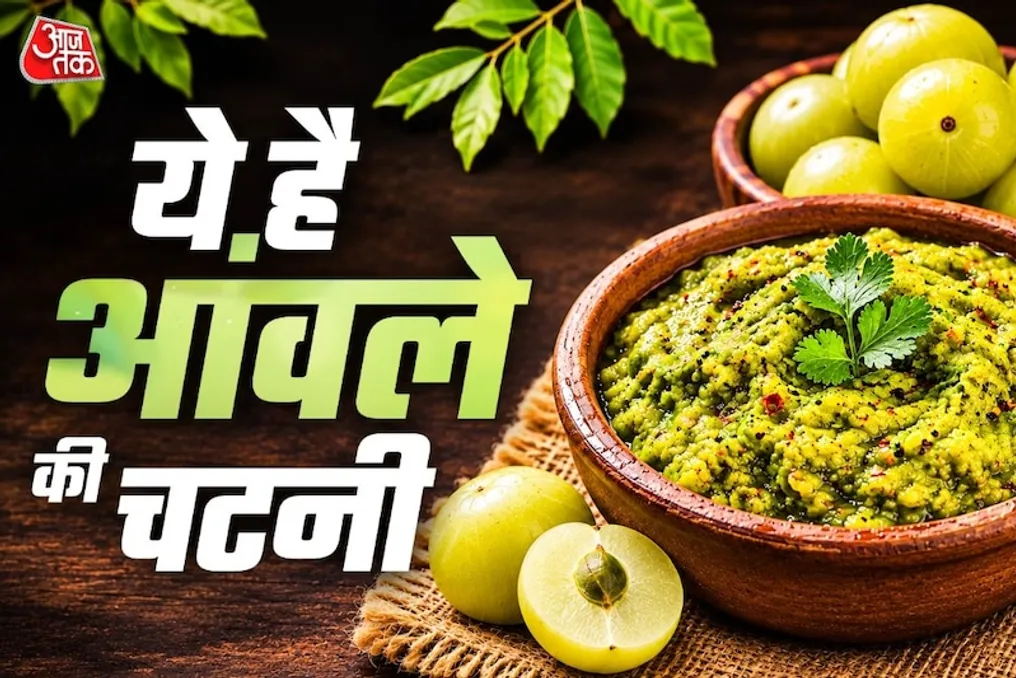
How to make amla (quince) chutney for winter season to diversify food flavors
Read more
www.aajtak.in

How to make amla (quince) chutney for winter season to diversify food flavors

If you regularly make chutney at home, you might not always have to stick to just cilantro and mint. Here is a simple recipe for quince chutney, which is very healthy.

During the winter period, green chutneys made from cilantro or mint are often prepared to enhance the taste of dishes. However, if you are tired of the same flavor and want to add spiciness and zest to your diet, quince chutney is an excellent choice. Quince, rich in Vitamin C and nutrients, not only supports the digestive system but its sour-spicy taste multiplies the flavor of simple dishes such as rice with lentils, paratha, or pakora.

Below is the simplest way to prepare this chutney in just a few minutes.

For preparation, you will need: fresh quince (3-4 pieces, cut into small pieces after removing the seeds), cilantro (1 cup, washed with stems), green pepper (3-4 pieces, to taste), ginger (a 1-inch piece), garlic cloves (5-6 pieces, optional), ground cumin (1 teaspoon), asafoetida (a pinch), mustard oil (1 teaspoon, raw), black and regular salt (to taste), water (1-2 tablespoons for blending).

To preserve the vibrant green color of the chutney, it is recommended to blend not only the cilantro leaves but also the soft stems. Additionally, adding 1 teaspoon of raw mustard oil at the end of cooking helps reduce the tartness of the quince and gives it a traditional taste, like in local eateries.

First, thoroughly wash and dry the quince. Then, remove the seeds with a knife and cut the quince into small pieces.

In the chutney blender, place the chopped quince, cilantro, green pepper, ginger, and garlic. Add the ground cumin, asafoetida, black and regular salt.

Add only 1-2 tablespoons of cold water and blend the chutney until it reaches a coarse or smooth puree, avoiding the addition of too much water.

Transfer the resulting chutney to a bowl and mix well with 1 teaspoon of raw mustard oil. The finished spicy and tangy quince chutney is ready to be served with hot parathas and at the dinner table. It can be stored in a glass jar in the refrigerator for 8-10 days.

Amla (Indian Gooseberry) Lounge Recipe: Preparing a Sweet and Sour Winter Appetizer with Palm Sugar
Read more
www.aajtak.in

Amla (Indian Gooseberry) Lounge Recipe: Preparing a Sweet and Sour Winter Appetizer with Palm Sugar

With the arrival of winter, fresh amla (Indian gooseberries) appear in markets, which are considered very healthy. This is why people prepare various products from amla during this time, such as jam, chutney, pickled vegetables, and candies. However, perhaps you have never tried amla lounge? Its taste combines sourness, sweetness, and a slight spiciness, and after the first taste, you will want to make it again.

Amla lounge is a traditional dish popular in North India. It is prepared using palm sugar (gur), mustard oil, and special spices. The specialty of this dish is that it does not require much preparation time and can enhance the flavor of everyday food. It can be eaten with paratha, puri, or rice with dal.

How to make amla lounge at home

To prepare amla lounge, you must first thoroughly wash the amla. Then, they should be steamed for about 10 minutes, avoiding boiling in water, until they become soft. After cooling, remove the seeds and cut the amla into small pieces.

Preparing the aromatic dressing

Heat mustard oil in a pan, then add fennel seeds, cumin, cardamom, and kalonji, allowing them to sizzle slightly. After this, add the chopped amla to the pan and fry for a few minutes.

Adding turmeric and pepper

Add turmeric powder, red pepper, and salt to taste to the amla. Mix all ingredients thoroughly and cook for a few more minutes so that the spice flavor fully penetrates the amla.

Sweet and sour taste from palm sugar

Next, add grated or crushed palm sugar to the mixture. At the same time, add a little water to the pan and cover it with a lid. Simmer the dish over low heat until the amla becomes soft.

Finished amla lounge

When the lounge starts to thicken, add black salt and mix well. The consistency can be adjusted—made thicker or thinner. Turn off the heat and let the lounge cool.

How long to store

After completely cooling, the amla lounge should be transferred to clean and dry airtight glass jars. It can be stored in the refrigerator for about 7–10 days. It is important to use only clean and dry spoons when taking out the lounge.

Amla Laddu Recipe: A Healthy and Delicious Winter Dessert
Read more
www.aajtak.in

Amla Laddu Recipe: A Healthy and Delicious Winter Dessert

Fresh amla is easily found in markets during the winter period. Amla is considered very healthy for the body. People usually consume it raw, prepare pickled snacks (achar), or jam (murabba) from it. However, if you want to make something more original and tasty from amla, try making laddu.

It is extremely important to take care of your health during the cold season. Many fresh fruits and vegetables, including amla, are available in the market during this season. Amla contains various nutrients, including Vitamin C, so including it in the diet is considered beneficial. Typically, people drink amla juice or eat it as pickles and jam. But have you tried amla laddu?

These laddus are not only delicious but also simple to prepare. They are made using cane sugar (gur), natural ghee (desi ghee), and dried fruits. You can prepare them once and store them, consuming them as desired. Next, we will tell you how to make amla laddu at home and what ingredients you will need.

First, wash the amla thoroughly. Then dry and grate it. After that, prepare a syrup from cane sugar on low heat in a saucepan. When the syrup starts to thicken slightly, add the grated amla. Continue stirring constantly so that the amla and sugar mix well.

When the mixture becomes thick, add cardamom powder (elaichi), dried ginger (sonth), coconut flakes, and any chopped dried fruits to taste. Then add natural ghee (desi ghee) and mix all the components thoroughly. When the mixture cools down a bit, shape small balls from it by hand to get the laddus. After complete cooling, they should be stored in a clean and airtight container.

You can eat them in the morning for breakfast or at any other time of the day. The slight sourness of amla, the sweetness of cane sugar, and the taste of dried fruits make these laddus special. If you crave something sweet in winter, these laddus can be the best choice for you.

Popular