Sirdarya Region will train specialists for work in Japan
Read more
UzDaily
uzdaily.uz

Sirdarya Region will train specialists for work in Japan

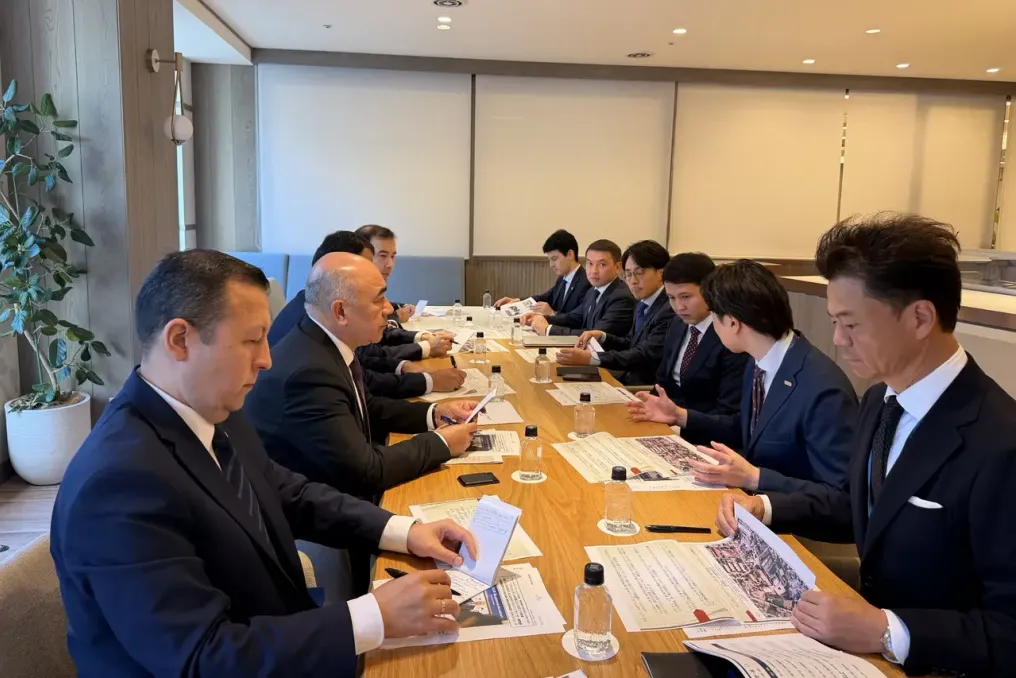
The administration of Sirdarya region in Uzbekistan has announced plans to train qualified personnel for employment in Japan. This cooperation resulted from the signing of a memorandum between the regional administration and the Japanese company Onodera User Run.

The acting governor of Sirdarya, Doniyor Kadyrov, met with Jun Kato, the head of Onodera User Run. This company is engaged in professional training and assists specialists in finding jobs at enterprises and organizations in Japan.

According to available information, sixteen Japanese companies already operating in Uzbekistan have expressed a need for skilled workers. It is expected that several dozen more Japanese firms will appear in the country next year, requiring thousands of specialists.

Requirements for Personnel Training

At the meeting, Kadyrov emphasized the importance of integrating vocational training in technical colleges with the study of the Japanese language. He also proposed taking into account the demands of foreign employers when developing curricula.

The parties paid special attention to training specialists for sectors such as healthcare, transport services, logistics, and industry, based on specific agreements with employers. Following the negotiations, the Sirdarya regional administration and Onodera User Run signed a memorandum of cooperation.

Similar stories

Uzbekistan is considering a welder training program for the labor market of Norway and Nordic countries
Read more
uzdaily.uz

Uzbekistan is considering a welder training program for the labor market of Norway and Nordic countries

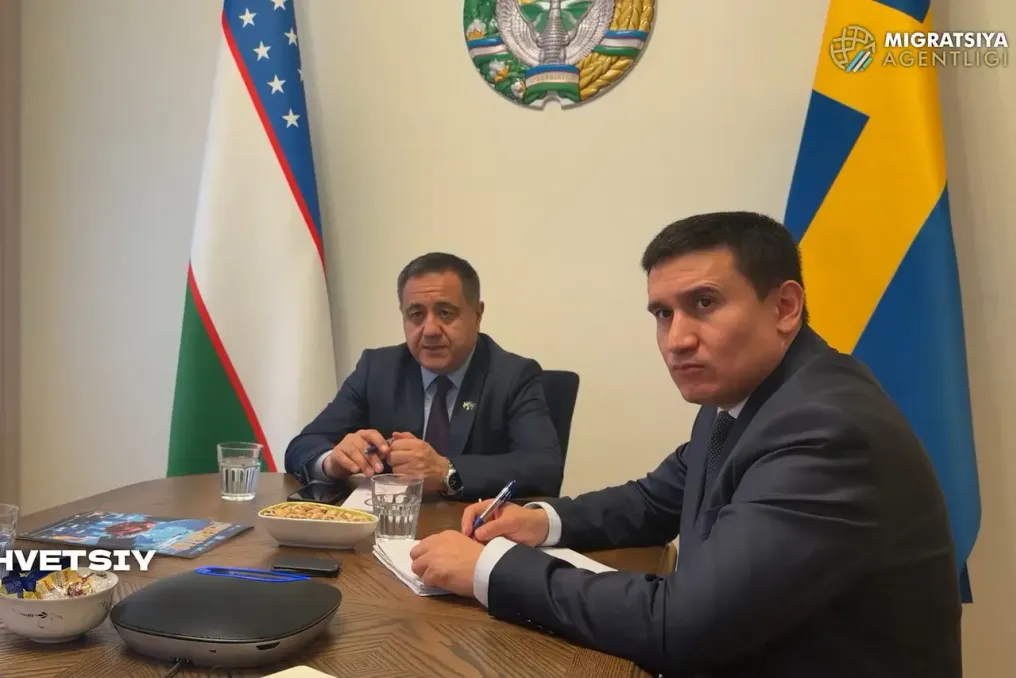
The Migration Service of Uzbekistan is studying the possibility of launching a welder training program for employment in Norway and other Nordic countries. It is estimated that the demand for such specialists in these countries ranges from 4,000 to 5,000 people.

Discussions on this issue took place on November 12, 2026, during a video conference between the Director of the Migration Service, Muksinhudjoy Abdurakhmonov, and Norwegian expert Erik Eng. Eng suggested that the overall European labor market requires approximately 30,000 welders.

Details of the Training Program

The main focus of the negotiations was on training specialists in accordance with international standards and the possibilities of their subsequent employment abroad. Uzbekistan proposed creating a specialized program at one of the local technical colleges, which would utilize modern equipment and educational methodologies from Norway.

The first stage under consideration involves the training and certification of 10–20 instructors. Furthermore, the proposal includes internships lasting one to two weeks at industrial sites in Norway. These instructors could then train welders directly in Uzbekistan.

Qualification Requirements

Erik Eng emphasized that possessing only an ISO certificate does not guarantee a specialist's readiness to work in high-tech enterprises. Working at offshore oil and gas facilities, in companies involved in wind energy, and at other industrial sites requires deep knowledge of industrial safety and occupational health.

Welders must also be familiar with specialized technological processes. The parties proposed including these requirements in the future curriculum.

Cooperation Opportunities

The Norwegian expert expressed readiness to develop a preliminary two-stage training program for instructors and welders themselves, involving relevant specialists. Potential cooperation with European vocational education centers and participation in joint educational projects, including the Erasmus+ program, were also discussed.

Eng mentioned having professional contacts with educational institutions in Romania, Hungary, Spain, Germany, Slovenia, and Croatia, which could be used to explore possible joint initiatives. However, funding sources and specific implementation conditions have not yet been agreed upon.

Separately, the parties discussed a possible visit by the Norwegian expert to Tashkent on November 30, 2026. During the trip, he plans to inspect equipment and facilities of technical colleges, discuss curricula, and conduct practical classes. The idea of considering cooperation with Norwegian specialists in nursing, fishing, and electrical engineering was also put forward. The parameters of the program, funding sources, and employment conditions will be determined during further negotiations.
Discussion between Tashkent Region and Japan on Expanding Cooperation in Vocational Training and Employment
Read more
uzdaily.uz

Discussion between Tashkent Region and Japan on Expanding Cooperation in Vocational Training and Employment

Representatives from the Tashkent Region and the Japanese company Onodera User Run held discussions aimed at expanding partnership in vocational training and creating job opportunities for Uzbek specialists in Japan.

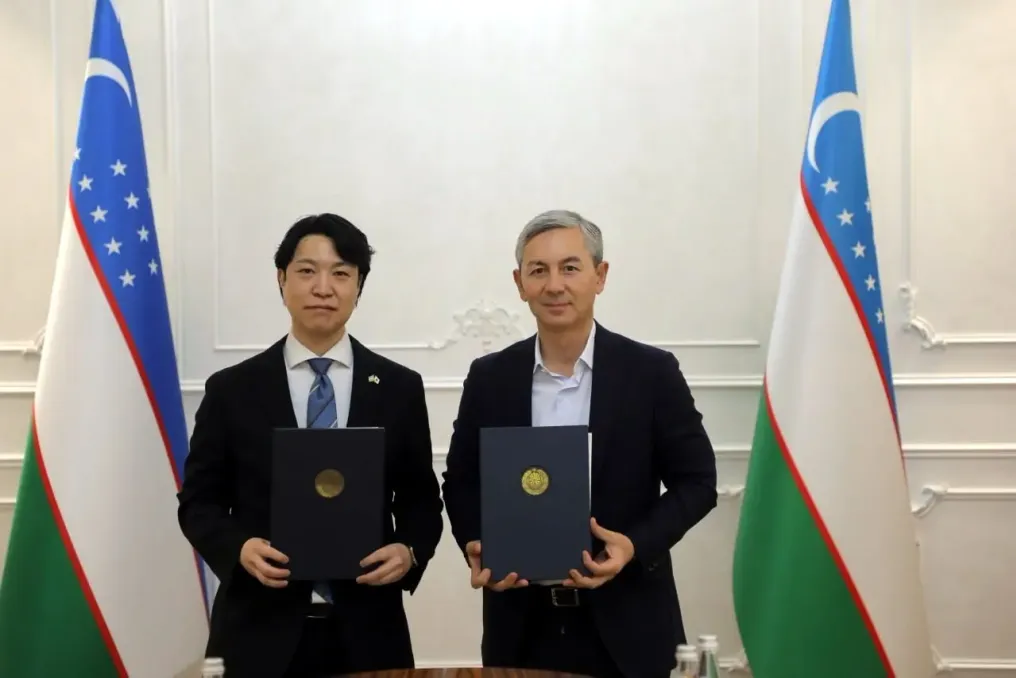
The negotiations took place between the Governor of the Tashkent Region, Zoyir Mirzaev, and the company president, Jun Kato. The main topics of the meetings included new investment and social projects, as well as increasing the geographical scope of cooperation.

This meeting continued the dialogue previously initiated at the level of the leaders of the two countries. Previously, Jun Kato participated in the visit of the President of Uzbekistan, Shavkat Mirziyoyev, to the educational center OUR BLOOMING ACADEMY in Tashkent. During this visit, he presented programs offering free vocational training for Uzbek youth, skill development, and subsequent employment.

Onodera User Run was founded in Tokyo in 2016. It implements workforce training projects in countries such as the Philippines, Myanmar, Indonesia, and Laos. The company's main activity is teaching the Japanese language and professional skills to foreigners, preparing them for the Japanese labor market, and assisting with job searches.

The Our Blooming Academy Uzbekistan educational center began operations in Tashkent in November 2025. Currently, it provides training to young people in the fields of food service, elderly care, and driving.

During the recent negotiations, the parties considered the possibility of extending this experience to the Tashkent Region. Specifically, the possibility of signing a tripartite agreement involving the regional administration, the Uzbekistan Migration Agency, and Onodera User Run was discussed.

A proposal was also put forward to create a regional driver training center that would prepare candidates according to the requirements of Japanese employers. The parties noted that the proposed projects are intended to enhance the professional competencies of young people, support their employment, and expand practical interaction between Uzbekistan and Japan.

Uzbekistan may train specialists for Swedish companies under a pilot program
Read more
uzdaily.uz

Uzbekistan may train specialists for Swedish companies under a pilot program

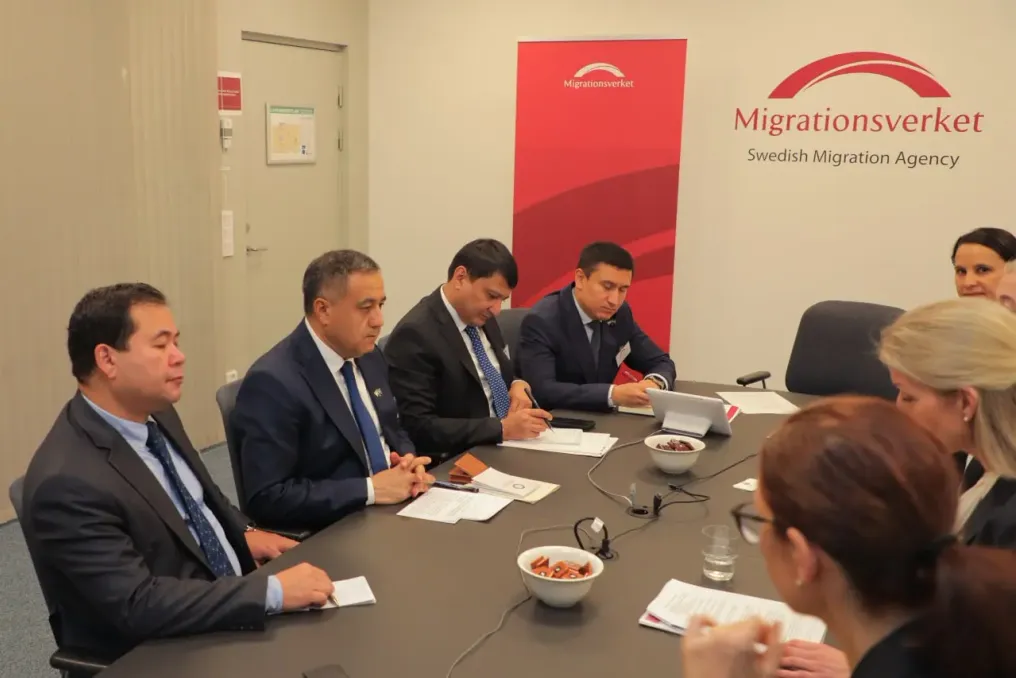
The Migration Service of Uzbekistan reported that Uzbekistan and Sweden discussed the possibility of training specialists in Uzbek technical colleges to meet the needs of Swedish companies within an 18-month pilot program.

The negotiations took place in Sweden between an Uzbek delegation led by the Director of the Migration Service, Mukhsinhodjo Abdurakhmonov, and Annika Gottberg, Deputy CEO of the Swedish Migration Agency.

The parties discussed training qualified workers according to the requirements of Swedish employers, expanding opportunities for legal employment, and protecting the rights of workers.

One of the key areas of cooperation within the 18-month pilot program will be the gradual development of ties in the field of labor migration.

Furthermore, the parties considered organizing targeted vocational training and Swedish language courses in Uzbek technical colleges, taking into account the needs of Swedish enterprises. The idea of creating a center for assessing the level of Swedish language proficiency in Uzbekistan was also discussed.

Another topic was the exchange of experience regarding the issuance of work permits, conclusion of employment contracts, and protection of citizens' rights.

After the meeting, both sides expressed interest in continuing the dialogue to implement the pilot program and determine further practical steps.

Popular