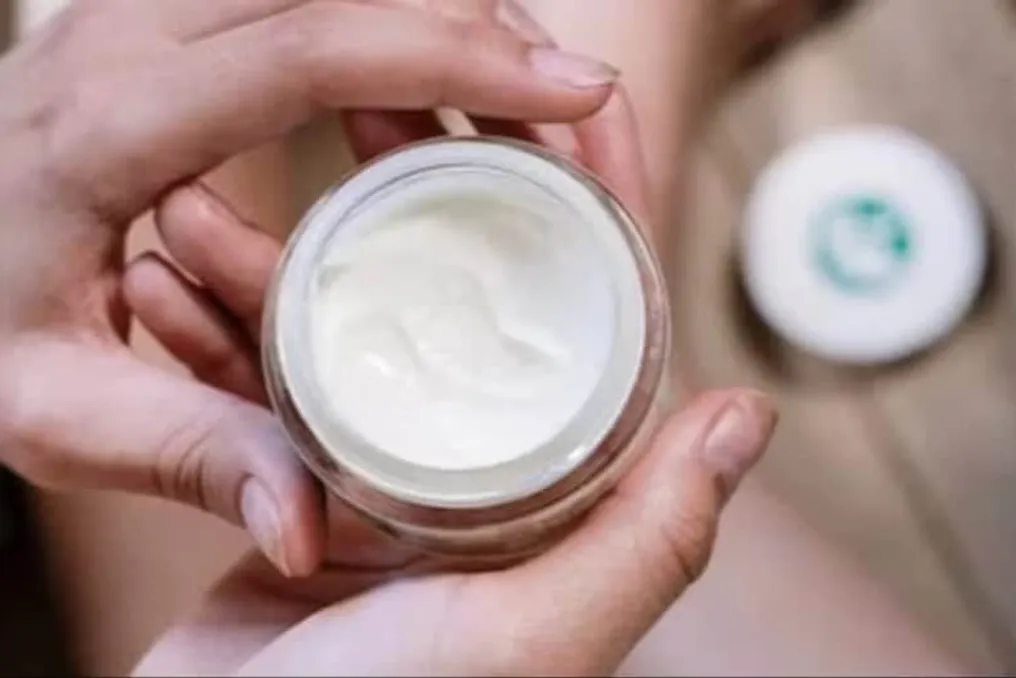
Kerala girl develops serious kidney disease after using cream advertised on Instagram
Read more
Aaj Tak
www.aajtak.in

Kerala girl develops serious kidney disease after using cream advertised on Instagram

Trust in cosmetic product advertisements on social media can have serious consequences. This happened in Kerala, where a 17-year-old girl was threatened with serious kidney disease after using a skin-lightening cream. According to doctors, the level of mercury in her body reached a dangerous level. Tests showed that the cream contained significantly more mercury than allowed.

The girl purchased the cream after watching videos from influencers on Instagram who claimed the product could eliminate pimples, spots, and skin darkening. Consequently, the case attracted the attention of the Child Rights Commission of Kerala state.

Doctors at Ester MIMS Hospital in Malappuram reported that the girl saw the cream advertisement on Instagram, contacted it via a WhatsApp number provided in the video, and ordered the product. Initially, the girl noted a positive effect from the cream, so she ordered additional bottles and used it for about a year.

Over time, her condition began to worsen: her blood pressure dropped sharply, she lost consciousness several times, developed leg swelling, and also experienced difficulty walking and climbing stairs. After this, her family took her to the hospital.

The nephrologist treating the girl, Dr. Gauri S, reported that blood and body tests revealed an excessive amount of mercury. Mercury can cause serious harm to the kidneys by impairing their ability to filter blood. The doctor diagnosed the girl with severe kidney disease—membranous nephropathy. He warned that without timely treatment, further complications could arise.

During the inspection of the cream, a mercury content of 12,500 parts per million (ppm) was found, whereas the permissible standard is less than one part per million. The doctor linked the girl's illness to the mercury content in the cream.

The girl informed the company about her deteriorating health. Initially, the company stated it would forward her complaint to higher authorities, but subsequently stopped responding to her messages. Now, the family is preparing to file a lawsuit against the company in consumer court. The family has not disclosed the name of the cream at this time.

After this incident became known to the media, the Child Rights Commission of Kerala state took control of the case and registered it. The Commission requested responses from several departments, including the director of the healthcare system, the head of the state police, the narcotics controller, and the Central Consumer Protection Authority. A response was also requested from the chief physician of the relevant hospital.

Doctors cautioned the public against using such cosmetic products, especially those that promise rapid lightening or instant resolution of skin problems. Specialists advise consulting a specialist for any skin issues rather than relying on social media advertisements.

Similar stories

Study shows that every eighth child faces cyberbullying, but parents are often unaware of it
Read more
podrobno.uz

Study shows that every eighth child faces cyberbullying, but parents are often unaware of it

According to data from Kaspersky Lab, approximately one in eight children experiences cyberbullying, while parents are extremely rarely aware of such incidents.

These findings were presented by a Podrobno.uz correspondent at the Kaspersky CyberSecurity Weekend 2026 conference held in Tashkent. The analytical report 'Adults and Children Online' showed that 13% of surveyed children reported various forms of cyberbullying, whereas only 3% of parents knew that their child was a victim of online harassment.

The most common form of harassment reported by parents is offensive comments and messages on social networks (69%). Additionally, 28% of parents mentioned cases of deliberate ignoring of the child, 22%—humiliating images and publication of personal data without consent, and 14%—harassment using deepfakes created by artificial intelligence.

Furthermore, 36% of children who experienced cyberbullying did not seek support from anyone. The rest shared the problem with family (45%), friends (20%), or teachers (10%); another 6% sought help from specialists or used artificial intelligence.

The study also recorded positive changes: the share of children who have not faced online harassment increased from 72% in 2024 to 84%. However, simultaneously, the share of those who admitted to bullying other users increased from 1% to 3%.

Andrey Sidenko, head of Kaspersky Lab's direction on children's online safety, suggested that the increase in children avoiding cyberbullying may indicate the effectiveness of preventive measures and increased attention from educators and parents. He emphasized the need not only to teach children self-defense methods but also to instill respectful behavior in them in the digital environment.

In parallel, the Legislative Chamber of the Oliy Majlis sent a request to the National Agency for Social Protection, demanding clarification on the implementation of the Strategy for Protecting Children from All Forms of Violence in Uzbekistan for the period 2026–2030, including the development of psychological assistance mechanisms for affected minors.

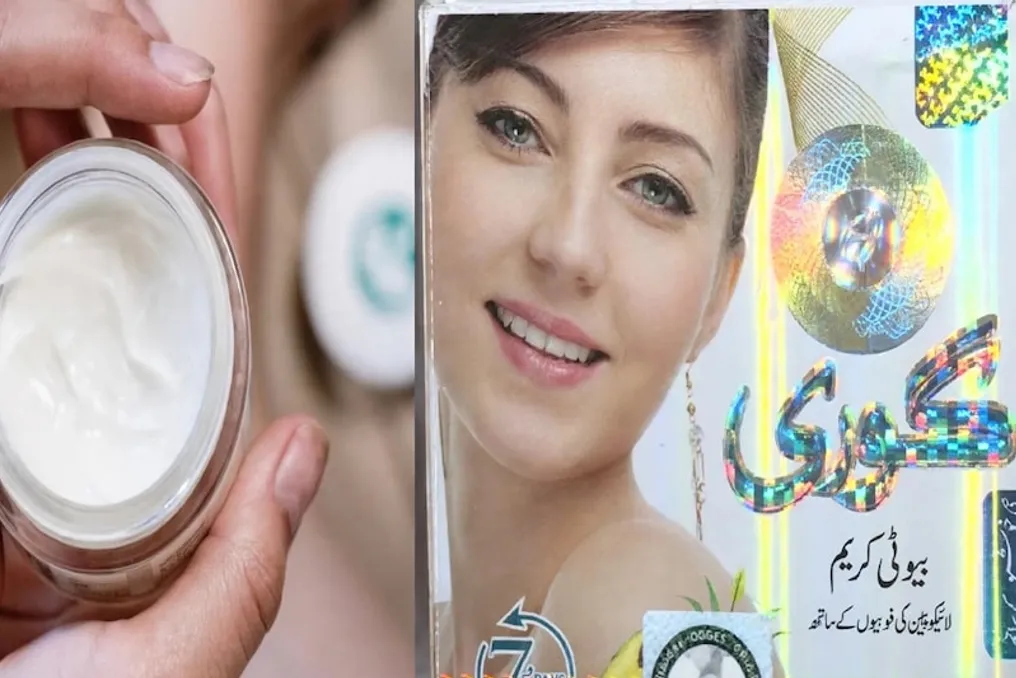
High levels of mercury found in dangerous Pakistani skin whitening cream, threatening kidneys and nervous system
Read more
www.aajtak.in

High levels of mercury found in dangerous Pakistani skin whitening cream, threatening kidneys and nervous system

There is a serious danger associated with the desire to become paler, as facial cosmetics can damage the kidneys, nervous system, and brain. It was reported that the Pakistani skin whitening cream 'Gauri' contains an extremely dangerous amount of mercury.

Despite the ban on this cream in Maharashtra, it is actively sold in various cities, including the capital of Madhya Pradesh, Bhopal, openly. Thus, people are applying toxic chemicals to their skin under the guise of skin lightening.

This product, advertised as a radiance booster for the face, conceals a deadly poison capable of penetrating the body through the skin. Initially, changes appear on the skin, but prolonged contact carries the risk of kidney, nervous system, and brain damage.

The Pakistani skin whitening cream 'Gauri' is allegedly available in Bhopal shops, e-commerce sites, and social media platforms for a price ranging from 150 to 800 rupees. In the Chok Bazar cosmetic market in Bhopal, this cream is sold both secretly and online, with the packaging stating 'Made in Pakistan.'

According to dermatologist Dr. Prinya Sharma, this cream contains mercury at a level of 5700 PPM, whereas the safe limit is less than 1 PPM. This means the mercury level exceeds the established limit by 5700 times. Mercury is not just a chemical substance; prolonged exposure to the body can be extremely dangerous.

Mercury entering the body through the skin can damage the kidneys and nervous system. Of greatest concern is that its effects are sometimes not immediate.

Dr. Prinya Sharma also noted that mercury affects melanin production in the skin. Melanin is the pigment that determines our skin color. When its production is disrupted, the skin begins to look lighter, but this is not natural beauty.

News that over 18 women in Maharashtra have suffered kidney damage due to this cream has raised serious questions about the product. Now, the government of Madhya Pradesh has also taken action. Minister Vishwas Kailash Sarang drew attention to this issue, and strict instructions were given to the police and relevant departments to investigate and take measures.

The issue now concerns not only the sale of the cream. It concerns the health of people who unknowingly apply poison to their faces.

Bhopal Police Commissioner Sanjay Singh stated that the police are investigating how Pakistani products are entering India despite trade restrictions. He is also investigating who is supplying this network, who the middlemen are, and who profits by playing with people's health. The police are analyzing the entire network and preparing for action.

This entire situation raises an important question: are we jeopardizing our lives for the desire to be paler? Are banned foreign goods infiltrating homes, bypassing security systems? And the most important question: will we have to pay for external beauty with our kidneys and lives?

Popular