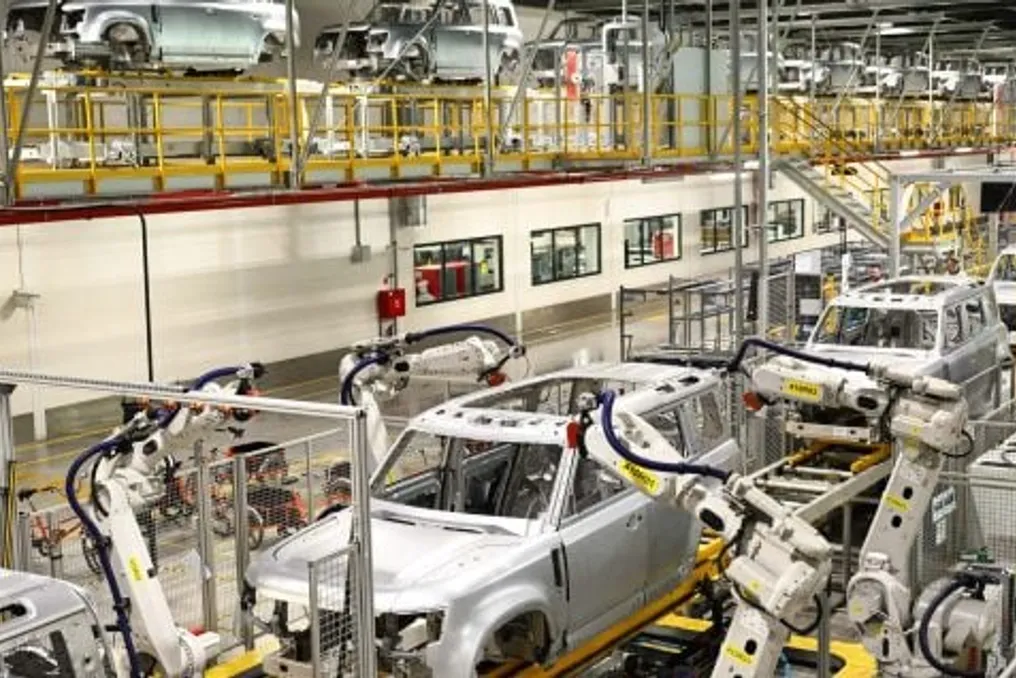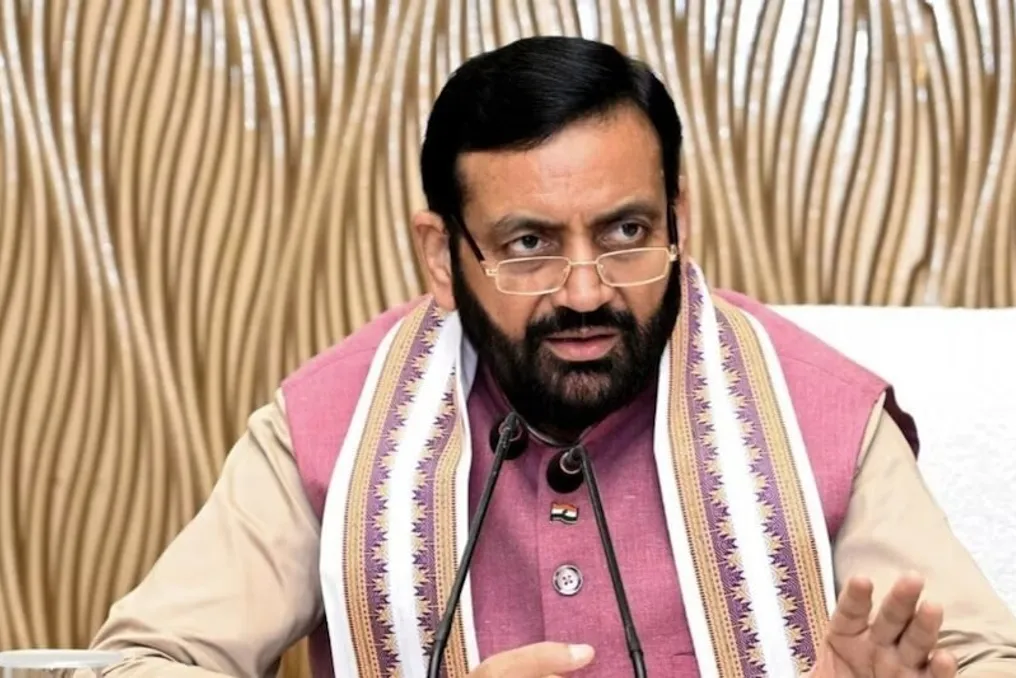
Union Minister Sukanta Majumdar announced on Saturday that commercial vehicle manufacturer Ashok Leyland intends to establish a heavy truck manufacturing plant in Singur. Work on this project is expected to begin soon, reviving hopes for industrialization in the area where the Tata Nano project was abandoned nearly two decades ago.
Speaking to journalists after Prime Minister Narendra Modi's event at IIT Kharagpur, Majumdar emphasized that the Bharatiya Janata Party (BJP) government is keen to attract industry to Singur, and that the planned enterprise will focus on producing heavy vehicles.
The Union Minister of Education reiterated: 'We want to bring industry back to Singur. Our Chief Minister also said this. I state again today that Ashok Leyland is coming to Singur. He will build a truck factory, and work will start soon.'
This statement followed a comment by Chief Minister Suvendu Adhikari on November 5, who had stated that his government held preliminary discussions with Ashok Leyland regarding the establishment of a heavy vehicle manufacturing unit in Singur. However, Adhikari cautioned against premature announcements then, insisting that the government should prioritize projects that can be actually implemented, rather than publicity-driven memorandums of understanding.
The latest announcement is viewed as an attempt by the BJP government to transform Singur, once associated with the collapse of a major industrial investment, into a showcase of its industrial revival program in West Bengal. Nevertheless, the project has not been officially detailed; neither the investment volume, employment forecasts, nor implementation timelines have been announced yet.
Majumdar also blamed successive state administrations for Bengal missing out on major industrial opportunities, citing the semiconductor industry. He noted: 'Taiwan is there now in the semiconductor industry, a position we could have taken. The opportunity came to us earlier, but the government of that time was against computers, and consequently, the semiconductor industry did not emerge,' criticizing the then Left Front government.
He also accused the Trinamool Congress government of failing to translate its industrialization promises into real projects. The future of Singur remains politically significant in Bengal, as the withdrawal of the Nano project by Tata Motors in 2008 marked a turning point in the state's politics.
The Left Front government, led by then Chief Minister Buddhadeb Bhattacharjee, acquired about 997 acres for a proposed small car factory. However, prolonged protests against land acquisition, led by Mamata Banerjee, the then opposition leader, forced Tata Motors to abandon the project and relocate it to Sanand, Gujarat. These protests contributed to the arrival of Banerjee's Trinamool Congress to power in 2011, ending the Left Front's 34-year rule.
Subsequently, the government returned the acquired lands to the disgruntled farmers following a Supreme Court ruling, and the infrastructure of the abandoned factory was dismantled. Nearly 18 years after the Nano project left, the proposed Ashok Leyland venture gives the BJP an opportunity to politically reframe Singur as a symbol of industrial revival. However, the viability of the project will ultimately depend on this announcement translating into concrete investments and a functioning production unit.