Residents of Uzbekistan's regions may face difficulties in obtaining free medications, even though unified state health insurance rules are in place. Drug availability is higher in the capital than in regional centers. This issue was raised at a forum on ensuring access to medical care, which was attended by a correspondent from Podrobno.uz.
During discussions on the functioning of the health insurance system, participants emphasized that although the state can finance necessary medications, this does not guarantee their actual presence in the nearest pharmacy. The situation is particularly critical in remote settlements where pharmacy infrastructure is underdeveloped.
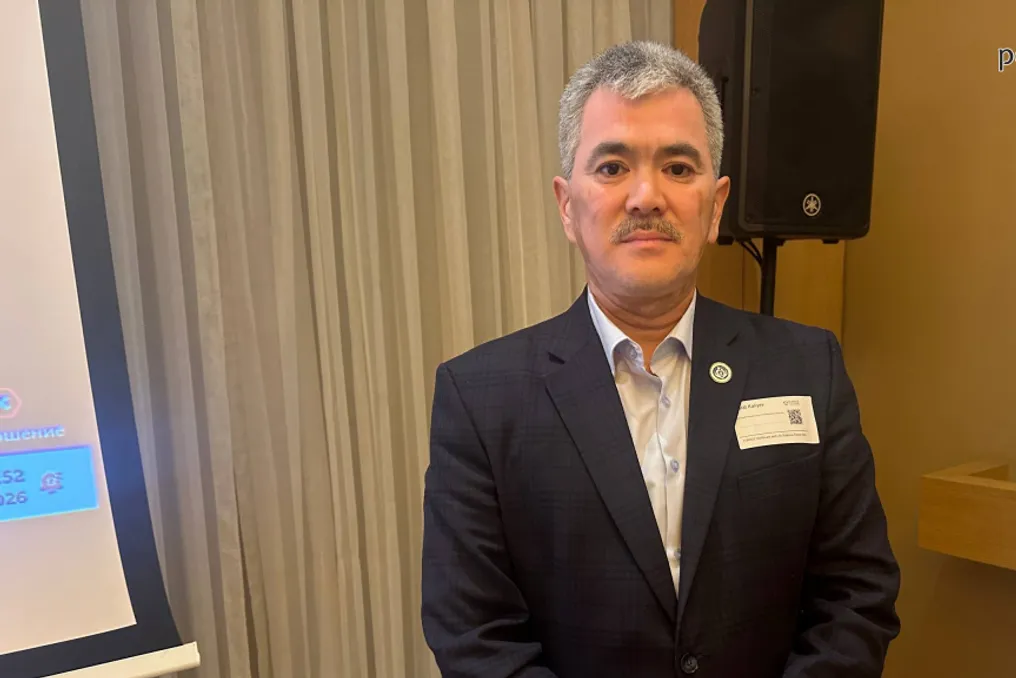
Marat Kaliev, chief specialist of the Methodology and Training Department of the State Health Insurance Fund, confirmed to journalists that conditions vary across different regions. He noted that 'Tashkent ranks first in terms of access to the full list of names.' Nevertheless, in response to a question about the possibility of individually selecting drugs for each region, the specialist clarified that such a division does not exist because 'The system is unified throughout the territory of Uzbekistan,' and every citizen has equal rights regardless of where they live.
According to Kaliev, solving the problem requires not only allocating state funds but also developing the pharmacy network, ensuring the availability of necessary drugs, and coordinating the location of pharmacies with medical institutions so that a person can use the received prescription near home.
It was also reported at the round table that the current drug reimbursement program serves over a thousand pharmacies, including a network of more than three thousand branches. However, further expansion of this program requires resolving supply issues, especially in remote areas. Currently, the free drug provision program covers 28 types of medications, and it is planned to increase this list to 69 items by 2027, including treatments for hypertension, bronchial asthma, and cardiovascular diseases.
Furthermore, it was recalled that another one hundred districts in Uzbekistan will transition to the new model of primary healthcare provision.