Tehran and Beijing Discuss Strengthening Cooperation in Natural Resource Management
Read more
Tehran Times
www.tehrantimes.com

Tehran and Beijing Discuss Strengthening Cooperation in Natural Resource Management

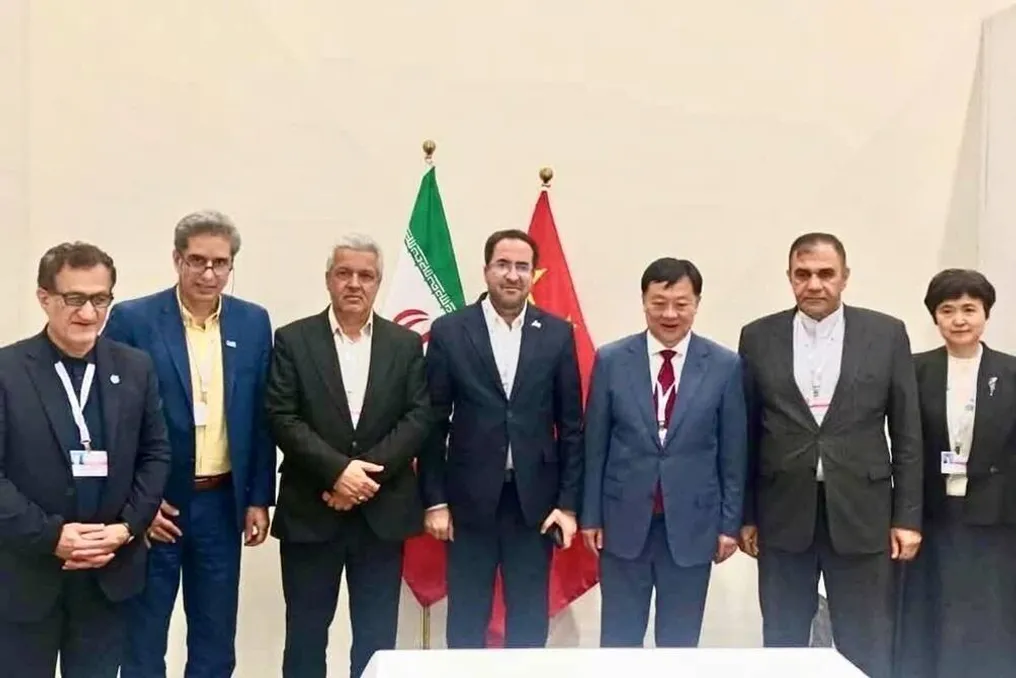
Officials from Iran and China held discussions on strengthening ecological cooperation and updating the memorandum on joint sustainable management of natural resources.

According to ISNA, the meeting took place during the 31st Conference of the Parties to the UNFCCC (COP31), which was held in Antalya, Turkey, from November 9 to 20. The negotiations involved Reza Afghatani, head of the Iranian National Resource and Water Management Organization (NRWO), and Liu Guohun, director of China's National Forestry and Grassland Administration (NFGA).

The parties also agreed to facilitate interaction between institutions, organizations, and enterprises of both countries. The main focus of the meetings was on conducting joint research projects, training and professional development of personnel, implementing regional and global initiatives, as well as joint monitoring and assessment, combating forest and grassland fires and desertification.

Key topics of discussion included sustainable water resource management and resource conservation, climate change and carbon sequestration, innovation and green technologies, biodiversity and genetic resources, participation of local communities and sustainable livelihoods, forestry and afforestation, seedling production and timber cultivation, land restoration, pest and disease control, as well as land use and resource distribution.

Within the framework of cooperation on climate change and carbon sequestration, projects are planned for implementation in deserts, forests, and grasslands, exchange of experience on climate change adaptation and mitigation, as well as monitoring and assessment of the impact of climate change on natural resources using Measurement, Reporting, and Verification (MRV) methods.

Furthermore, issues of experience exchange and expanding bilateral partnership through South-South cooperation were discussed, as well as utilizing the potential of international organizations such as the Food and Agriculture Organization (FAO) and the United Nations Development Programme (UNDP).

The initial memorandum was signed on April 22, 2014. It was developed based on mutual interests and the exchange of knowledge, experience, and technology, consistent with the laws, regulations, and international obligations of the parties. The goal of the agreement is to develop strategic, scientific research, technical, operational, and economic cooperation in areas such as forests, forestry, grasslands, watershed management, protection, conservation, and sustainable management of natural resources, desertification control, and climate change adaptation.
Similar stories

Palestine strives for green recovery of Gaza despite destruction
Read more
noticiasaominuto.com

Palestine strives for green recovery of Gaza despite destruction

Palestine dreams of a green recovery for Gaza, where basic necessities like turning on a tap or having lighting remain daily challenges, and climate resilience is another serious issue.

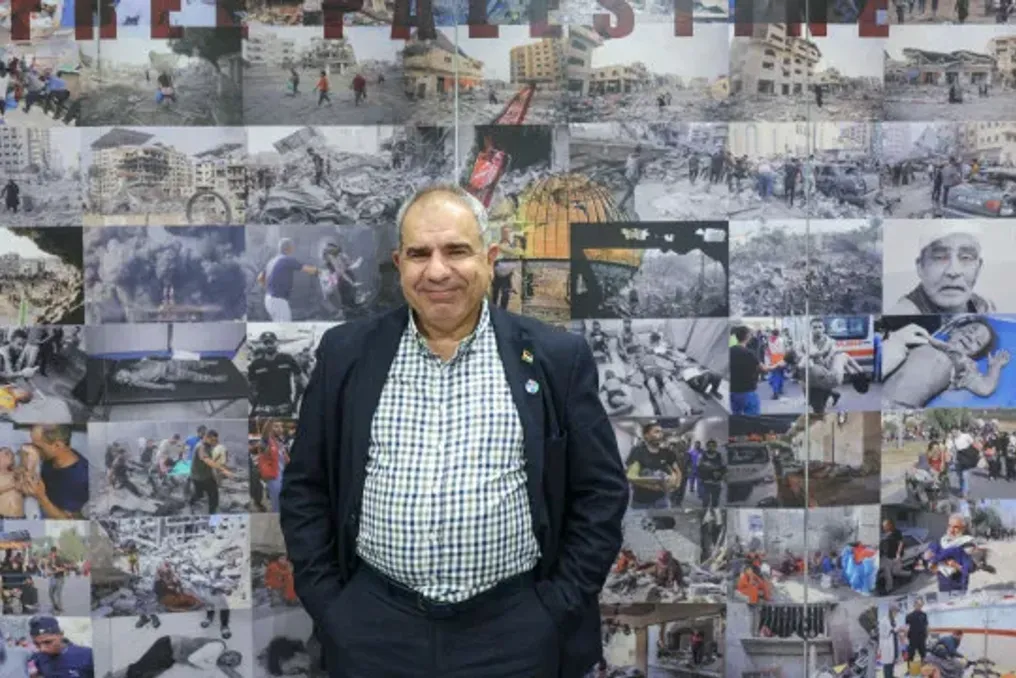
A four-person delegation from Palestine visited the 31st United Nations Climate Change Conference (COP31) held in Antalya, Turkey. The purpose of the visit was to argue that climate financing should be directed towards restoring water supply, sanitation, and electricity systems in Gaza.

While discussions about phasing out fossil fuels, emission targets, and adaptation funding take place in the corridors of the 'blue zone' at COP31, which spans over half a million square meters at the Antalya Expo Center, there are other urgent needs in Gaza: securing drinking water, restoring electricity, and finding shelter during floods that inundate displaced persons' tents.

Samir Kalbuneh, the interim director of the Palestine Environmental Quality Authority, told Lusa representative that 'we will do everything possible to make the recovery as green and sustainable as possible.'

He acknowledged that people cannot choose whether to adapt or not; it is their life, and they will try to adapt to any circumstances, but he noted that the situation is extremely difficult.

According to Kalbuneh, the war has rendered nearly 85% of Gaza's agricultural land unsuitable for cultivation, and about 93% of trees have been uprooted during the conflict.

He emphasized that 'climate issues cannot be separated from issues of occupation and development needs.'

The war also destroyed a project supported by the Green Climate Fund that allowed for the reuse of treated wastewater in agriculture. Kalbuneh accused the 'Israeli army of completely destroying this project.'

He added that this project served as an excellent example of how to combat the effects of climate change within a community, strengthening resilience and people's ability to adapt to these changes, allowing them to live with dignity and remain on their lands.

Kalbuneh also calculated that the war and its consequences will lead to the emission of almost 30 million tons of carbon dioxide, and the reconstruction of Gaza will cost approximately $70 billion. He argued that the restoration of water supply, sanitation, and electricity distribution systems is purely a climate component for which climate financing can be sought, aiming to find more funding sources.

Furthermore, he noted that in the West Bank, the occupation prevents Palestinians from accessing natural resources such as water and pastures. He concluded that the occupation exacerbates environmental problems in both the West Bank and Gaza.

He stressed that floods in Gaza led to the collapse of refugee tents, calling it a catastrophe, but always spoke of the resilience of the people and the belief that they will overcome it.

In the opinion of the official, Palestinian climate resilience is part of national resilience—'the ability to stay in Palestine and live normally, like people in any other country.'

Kalbuneh conveyed to COP31 the message that 'climate justice is part of justice for all people in the world, and therefore for the Palestinian people,' insisting that the sustainable development of Palestine depends on the end of the occupation. He concluded by stating: 'We believe that ending the occupation is a fundamental condition for ensuring a promising and sustainable future for Palestine.'

Popular