Recently, there has been a significant increase in the popularity of creating garden areas on rooftops. People are using empty roofs to plant various species, turning them into green and picturesque spaces. This not only improves the appearance of the dwelling but also provides an opportunity to spend time in an atmosphere of tranquility amidst greenery. However, according to Vastu Shastra, some types of plants are considered unsuitable for a home. There is a belief that placing such plants on the roof can amplify negative aspects and negatively affect the prosperity and happiness of the family. Therefore, when designing a rooftop garden, it is crucial to carefully select the plants.
Which plants should not be planted on the roof according to Vastu?
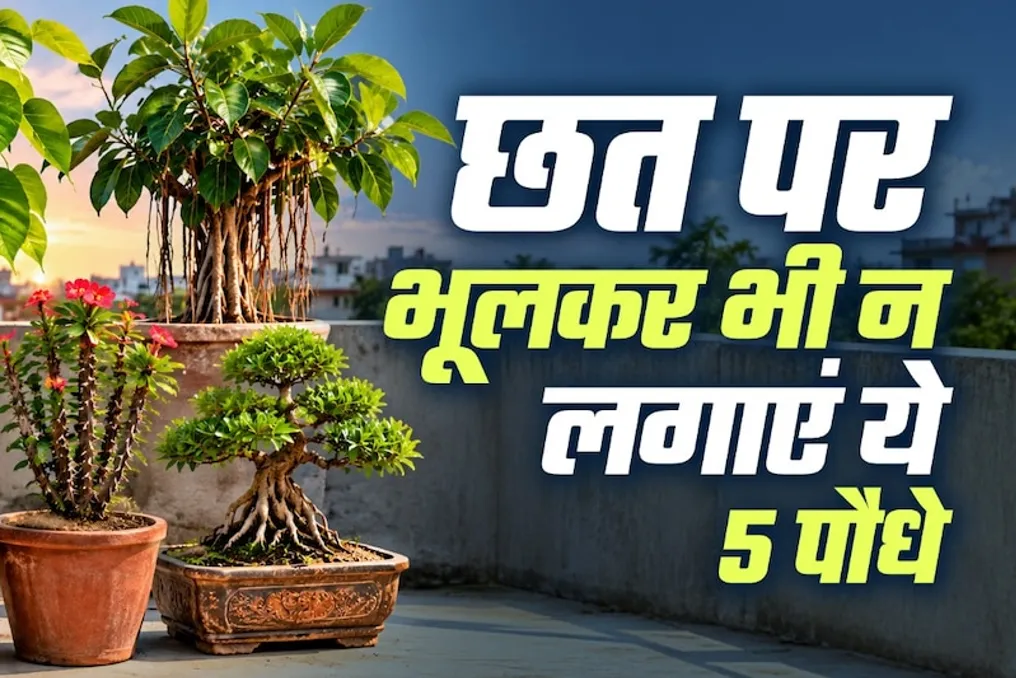
There is a number of plants that, in the opinion of Vastu, should not be placed on the roof. The first on the list are cacti and other thorny plants. Although many people prefer them because they require minimal care, Vastu does not favor thorny plants. It is believed that their presence can contribute to increased tension and disagreements within the family, so it is recommended to refrain from planting them on the roof.
Vastu also advises against planting trees such as Peepal and Banyan on the roof, despite their great religious significance in Hinduism. Sometimes birds carry seeds of these trees into cracks in the roof, where they gradually sprout. Since the roots of these trees are very strong, their growth can lead to cracks in the walls and the roof itself, so it is necessary to prevent the appearance of Peepal and Banyan on the roof.
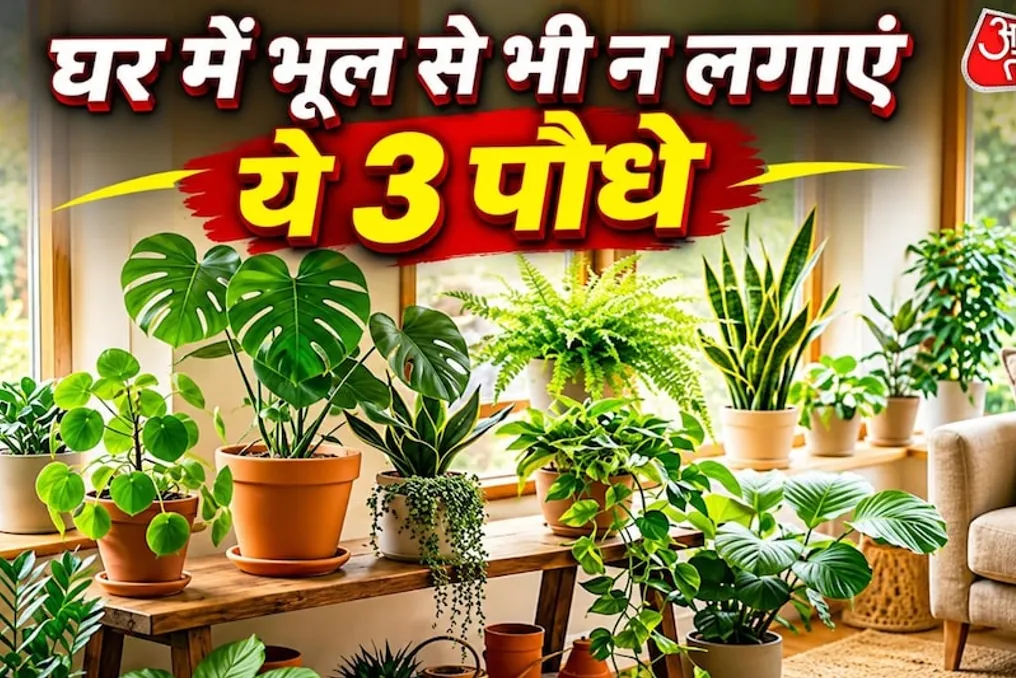
The third point concerns climbing plants that spread everywhere. Although plants like Monstera decorate the house, their uncontrolled spread is considered undesirable from a Vastu perspective. It is claimed that such sprawling can become an obstacle to the development of the house and also lead to financial difficulties. Consequently, climbing plants should be directed and secured with a trellis or support so that they grow in the correct direction.
Furthermore, Vastu disapproves of bonsai and withered plants. Bonsai are valued for their small and beautiful appearance, making them a popular choice for decoration. However, there is a belief that these plants can hinder progress. Additionally, dry leaves and withered plants should not accumulate on the roof; they should be removed regularly.
Finally, the rubber plant is mentioned. This species is known for its large and glossy leaves and is often used to decorate interiors. When placing it on the roof, certain points must be taken into account. Its leaves can suffer from intense sunlight. According to Vastu principles, withered plants are undesirable, so the rubber plant should be placed in a location where it receives sufficient light.