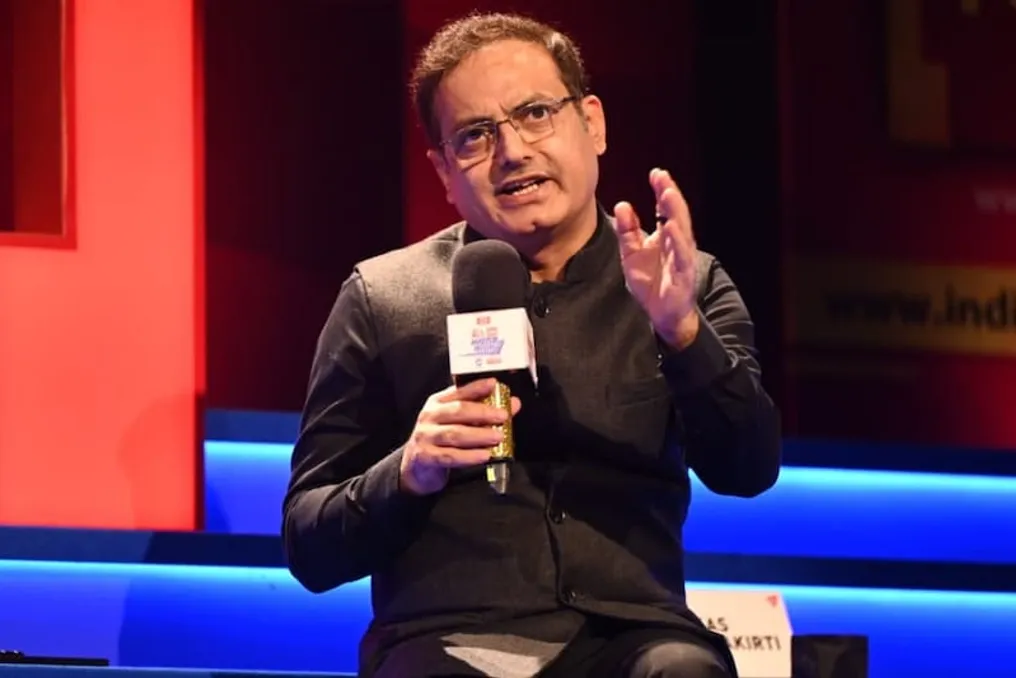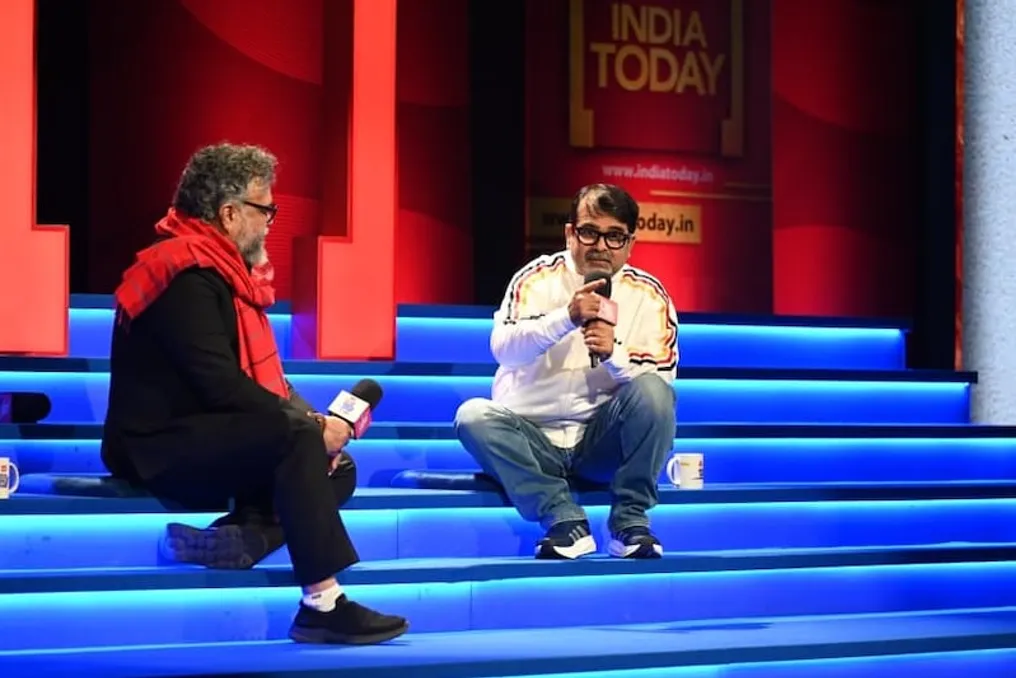
During his participation in the 2026 Masterclass, where he spoke with TVTN Editor-in-Chief Paanili Anand, UPSC trainer Avad Ojha openly addressed several important issues concerning life success. He emphasized that academic education alone is insufficient for achieving success; young people must acquire practical skills and adapt to changing conditions.
Sharing his experience as an educator and former UPSC participant, Ojha urged a critical look at traditional notions, focusing on understanding the subject rather than rote memorization, and developing the ability to cope with life's difficulties. He also advised young people to look beyond the traditional attachment to civil service and utilize opportunities available through skill development.
Commenting on concerns about employment and increasing competition, Avad Ojha noted that the problem in India is not a lack of jobs, but a shortage of people possessing the necessary skills. He stated that one of the main problems facing modern youth is the skills deficit, and education should facilitate problem-solving, not complicate students.
He cited the example of a young man who, after obtaining an MSc, underwent professional training and works as a hairdresser. According to Ojha, this person earns around 50,000 rupees per month. In Ojha's view, this case proves that practical skills can create significant employment opportunities regardless of traditional job status.
Avad Ojha firmly stated: 'Not everyone can become an IAS officer. Some must become entrepreneurs, some businessmen, and some must take the first step in another direction.' He also called on students to discard the 'feudal mentality' that leads people to look down upon certain professions. He himself gave an example, mentioning that he worked in a restaurant for seven months, and stressed that there is no shame in honest labor.
When asked whether UPSC preparation is more related to acquiring knowledge or forming the right mindset, Ojha focused on conceptual understanding and the interconnectedness of various topics. He believes that UPSC preparation is primarily a game of understanding, not just reading material.
Explaining his viewpoint, he described how geography, economics, politics, and history are linked. In his opinion, understanding these interconnections helps candidates develop a broad perspective, which is crucial for future politicians. He specified that geographical conditions influence economic development, which in turn shapes the political structure and historical events.
Ojha also insisted on strengthening fundamental knowledge. Referring to his 25 years of teaching experience, he noted that students with a clear grasp of core concepts perform better in competitive exams. He advised candidates to solve past exam papers and strengthen their foundations, adding that 'the competition is not just the result of hard work; it is the result of practice.'
The discussion also covered issues of relationships, love, and career aspirations, especially in the context of youth. Responding to the question about balancing relationships, love, and personal ambitions, Ojha said that the influence of relationships on human development must be positive. He noted that a good friendship is one that helps both parties move forward, and a good romance is one that elevates both.
Furthermore, he explained that young people do not need to avoid relationships while pursuing ambitions. Instead, they should assess whether their relationships help them advance or hold them back. Through historical examples and stories, Ojha illustrated the difference between relationships that inspire great deeds and those that distract from goals. He also warned against the idea that professional aspirations and personal relationships are antagonists, asserting that with clear goals, they can go hand in hand.
Highlighting the link between economic self-sufficiency and personal freedom, Avad Ojha stated that financial stability plays a decisive role in determining what decisions a person can make in life. He said: 'Economic freedom leads to social freedom.' He explained that financial independence gives a person greater control over their personal and professional life. In this context, he cited actress Nina Gupta as an example, noting that economic self-sufficiency allows people to make decisions on their own terms, despite social expectations. In Ojha's opinion, young people should...