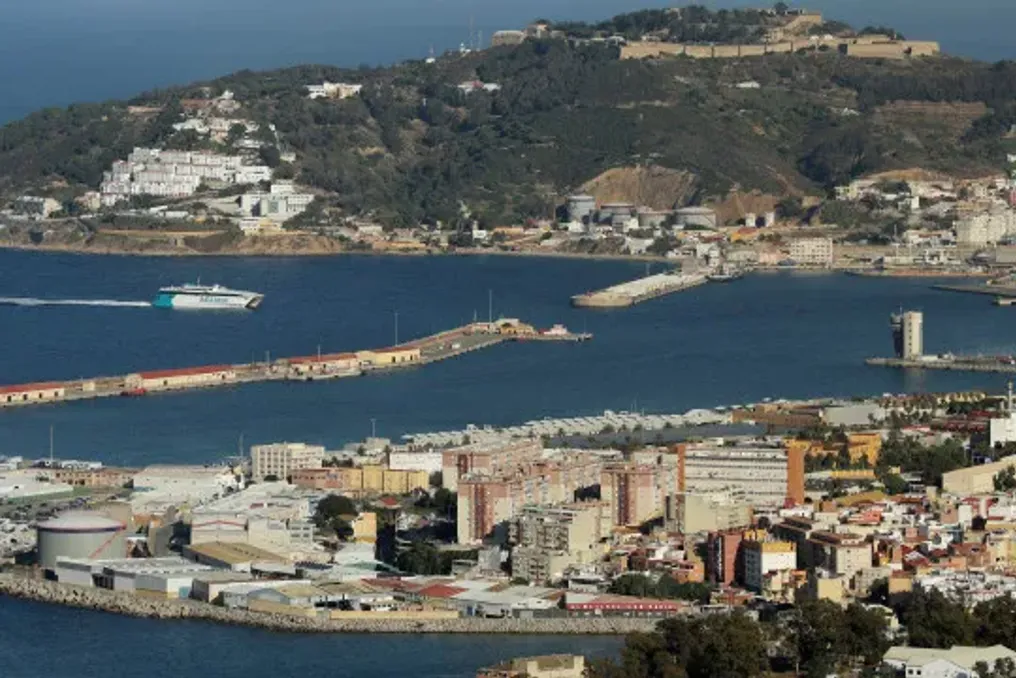
Residents of Seuta note that the city is far from normal after tens of thousands of people entered in July, which shocked the local population.
Lawyer and political analyst Alma Ruiz told Lusa that although normal life has returned to most areas thanks to the departure of some illegally entered individuals, an emotional trace remains, and many fear going outside due to a sense of danger.
For this lawyer from Seuta, 'the news does not help,' and among the population there is a feeling that the city is in a state of 'security crisis.' This happens despite the fact that most crimes registered after July 30 were committed by people who illegally arrived in this Spanish enclave in North Africa from Morocco, as well as cases of resistance and attacks on authorities.
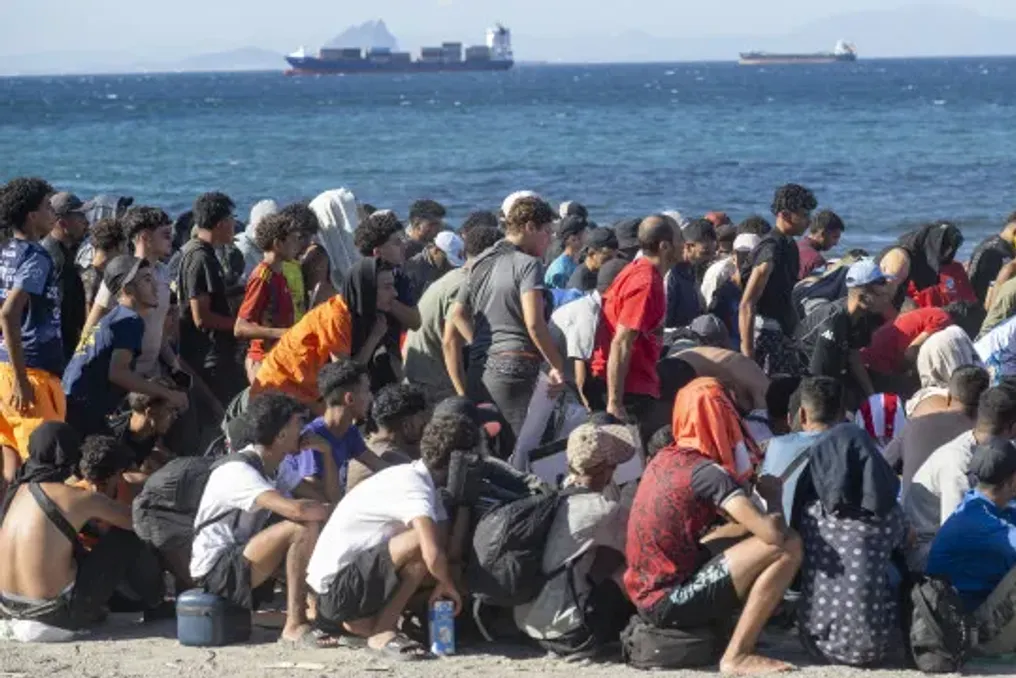
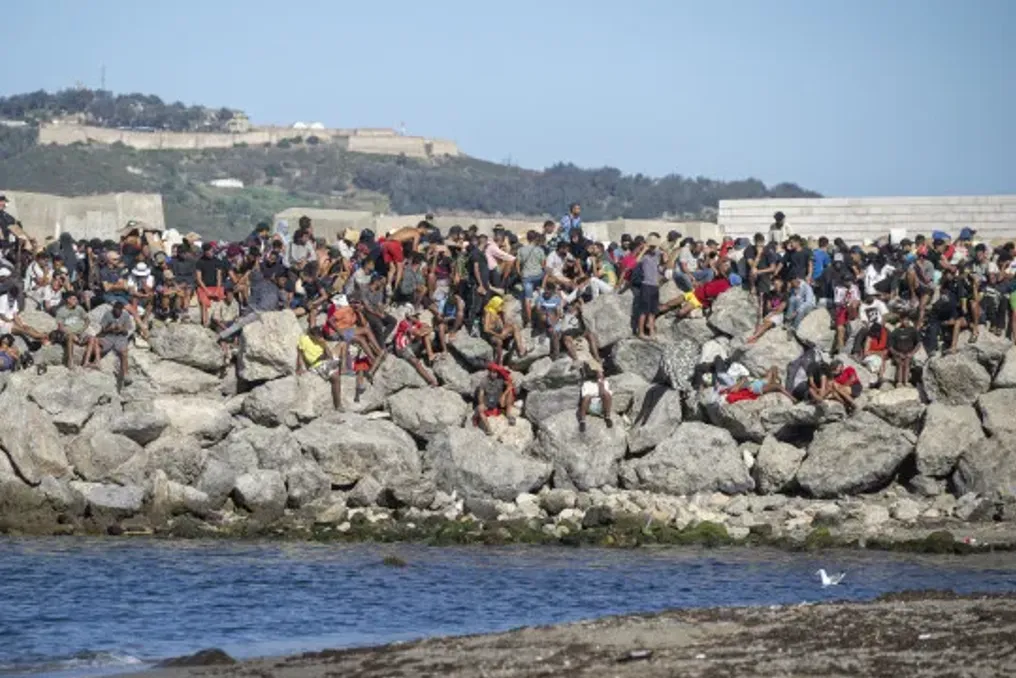
Ruiz emphasized that crime against the residents of Seuta was minor. According to official data, more than 90,000 people illegally entered Seuta on July 30. In this Spanish enclave in North Africa, bordering Morocco, about 83,500 residents live, and according to Alma Ruiz, 'the population was in shock in the first days.'
She described this state as a feeling of 'before and after, like a tsunami, how everything changed in a second, like something uncontrollable' during a conversation with Lusa.
Nearly four months later, after 'anger' gave way to 'frustration' among part of the population, and the call for legislative elections in Spain on November 29 distracted and dispersed attention, according to Alma Ruiz, the city has become calmer but is in a state of a kind of 'post-traumatic stress' and dealing with the 'social rift' that exposed this crisis.
There used to be a certain 'status quo' that allowed various communities to coexist in some peace, referring to each other as Spaniards. However, Muslim families in Seuta, who have been Spaniards for decades or always have been, are now required to present identification, she explained.
Alma Ruiz noted that 'there were moderate people who radicalized,' and the far-right is trying to use Seuta as a laboratory for spreading anti-immigration narratives. She recalls 'very difficult days' in the first weeks when people criticized those who fed children on the streets or tried to boycott the work of non-governmental organizations (NGOs).
'There is a lack of cross-cultural dialogue, which is broken,' she summarized.
Seuta positions itself as a city of four cultures, and various assessments show that 45% of the population are Catholics, 45% are Muslims, as well as historically significant communities of Hindus and Jews. The president of the Principe neighborhood association, where 99% of the population are Muslims and educated 'native residents,' insisted that they were never Moroccans, concluding: 'There are four cultures here; we have always respected each other, but we have never lived together.'
For Ahmed Efenal, it is clear that this crisis 'stripped away the masks from some people' who previously claimed that everyone was part of one city, but now accuse communities and groups of being 'invaders.' He also told Lusa that 'it is only 2000 or 2500 fools, it is not the whole city,' defending those who, for example, dehumanize migrants, including minors, calling them 'invaders.'
Dr. Kuman Nanwani from the Hindu community believes that Seuta is a 'city of four cultures, and that does not mean division,' but the events of this summer sowed 'seeds of division' threatening coexistence. She assured Lusa that there have always been disputes or misunderstandings between residents, as everywhere, but 'we never looked at the other as a Muslim or Christian; it was a misunderstanding between neighbors.'
Kuman Nanwani is one of the founders of the 'Women of Cavalas' association (so called those born in Seuta). On October 25, they mobilized 30,000 people in Madrid to demand an 'impenetrable border' with European control measures, as well as 'new immigration laws' to respond to situations like the one experienced by the enclave, which does not exclude 'invasion.'
The protest was led by the president of the regional government, Juan Jesús Vivás from the Popular Party (PP, Spain's main opposition force), but Kuman Nanwani insists that the movement is completely apolitical, uniting women of different professions and from different communities, and carries a message of unity, a 'call for calm and agreement.'
'Nothing has ever happened between us; we will not let it happen now,' she stressed.
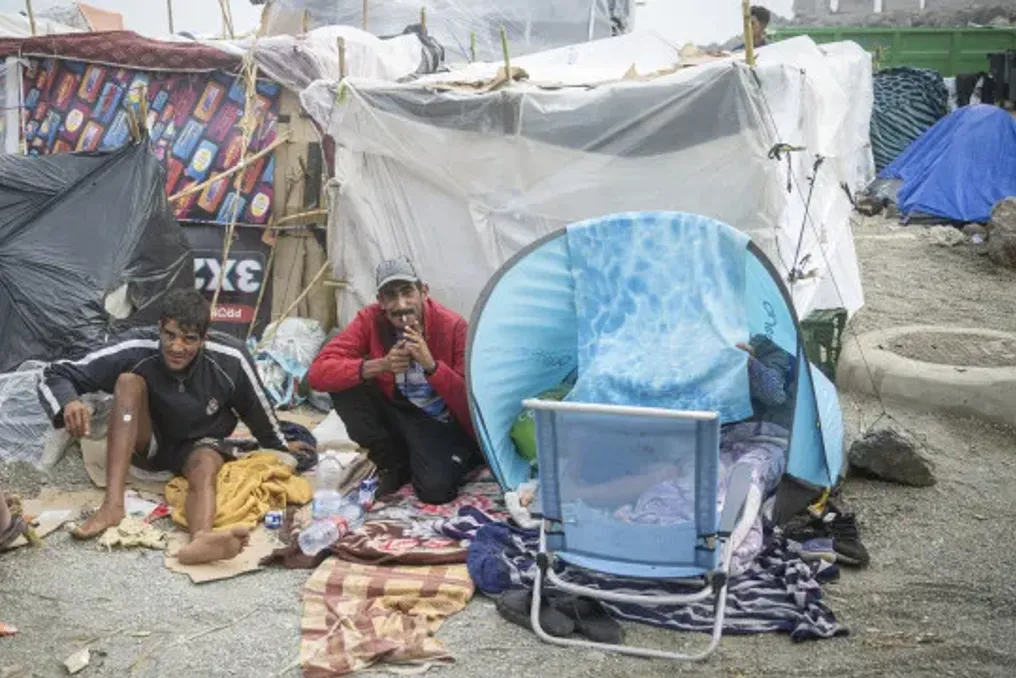
To date, one week before the national legislative elections, the movement has scheduled a new demonstration in Seuta, a procession that will end in front of the Spanish government delegation in the King's Square in the city center. Most windows and balconies are decorated with the flags of Spain and Seuta, which retains the Portuguese coat of arms against a black and white pattern identical to the flag of Lisbon. Flags are absent in the Tarajal industrial zone, on the slope of the Principe neighborhood, and a few meters from the border crossing with Morocco. Some warehouses have been closed and semi-abandoned since the closure of the border with Morocco during the COVID-19 pandemic, which stopped trade between the two sides. Other warehouses have been turned into reception centers for minors, and some house shops and workshops, almost all in the hands of members of the Muslim community. At the Nicerin women's clothing and accessories store, business today brings 'less than half' of what it did in July. The Tarajal industrial zone was one of the first places where people illegally entered Seuta on July 30, and the Nicerin store was closed for two weeks. After reopening, it still has improvised tents at the entrance, where thousands of people, including adults and children, slept, similar to what happened on beaches and other peripheral areas of the city. 'Only Muslim customers have returned; Christians do not come,' reported Nicerin. Migrating minors continue to move through the streets of the industrial zone, housed in warehouses that 'scream all day' and where 'fights occur between them,' according to Sara, who works in the same store, whose children 'are pitiful.' 'But it has affected all residents of Seuta, one way or another,' she admitted.