Doctors warn that taking antibiotics for fever, cough, and sore throat can be dangerous
Read more
Aaj Tak
www.aajtak.in

Doctors warn that taking antibiotics for fever, cough, and sore throat can be dangerous

Some people take antibiotics immediately upon the onset of fever, cough, throat irritation, or a cold. Others use old prescriptions or buy antibiotics independently at pharmacies, believing it will help them recover from the illness faster. However, according to the WHO, taking antibiotics for any fever, cough, or sore throat can pose a danger to the body.

From November 18 to 24, Antimicrobial Resistance Awareness Week is observed, during which doctors advise people to avoid unnecessary antibiotic intake.

Antibiotics are intended for treating bacterial infections. Nevertheless, symptoms such as sore throat, colds, and flu are often caused by viruses, against which antibiotics are largely ineffective. Despite this, people still take them, which in some cases can cause a serious allergic reaction. Furthermore, prolonged antibiotic use without a doctor's consultation leads to a decrease in their effectiveness in the body.

Dr. Subhash Giri from the Medicine Department at RML Hospital in Delhi notes that the unjustified use of antibiotics contributes to the growth of antimicrobial resistance. This condition is characterized by the development of bacteria's resistance to drugs that previously destroyed them effectively. As a result, treating an infection becomes complicated, and medications may stop working, requiring the use of more expensive antibiotics and increasing treatment costs.

One should not start taking antibiotics on their own for fever, cough, or sore throat. A doctor must conduct an examination to determine whether the infection is bacterial or viral. If an antibiotic has been prescribed, it is necessary to take exactly the number of doses indicated and always follow the doctor's recommendations.

Similar stories

ECDC warns that antibiotic resistance causes 35 thousand annual deaths in the EU and 2030 targets are at risk
Read more
noticiasaominuto.com

ECDC warns that antibiotic resistance causes 35 thousand annual deaths in the EU and 2030 targets are at risk

The European Union (EU) faces an annual mortality rate exceeding 35 thousand people due to infections caused by antibiotic-resistant microorganisms. This number of deaths is comparable to that recorded in combined cases of flu, tuberculosis, and HIV.

This warning was issued by the European Centre for Disease Prevention and Control (ECDC) in a recent report on antimicrobial consumption and resistance. The document points out that advances in reducing the use of these medicines in 2025 are insufficient to meet the targets set for the EU in 2030.

Coinciding with European Antibiotic Awareness Day, the report estimates that annually 4.3 million patients contract at least one healthcare-associated infection during their hospital stay. The ECDC highlights that one-third of the microorganisms identified in these infections are crucial antibiotic-resistant bacteria, which significantly restricts therapeutic alternatives.

Although total antibiotic consumption decreased by 5% in 2025 compared to 2019, this reduction is not enough to achieve the European goal of a 20% decrease by 2030. The ECDC expresses concern, stating that it is unlikely that the EU's antimicrobial resistance targets will be met without faster and more robust public health interventions, predicting a continuous deterioration of public health.

The report warns that antimicrobial resistance will lead to an increase in infections caused by resistant bacteria, which will be harder to treat, in addition to creating greater challenges for patient safety and raising mortality rates associated with this problem.

According to the ECDC, more than 70% of the impact of antimicrobial resistance on public health comes from hospital infections caused by multidrug-resistant bacteria, half of which could be avoided with appropriate infection prevention and control measures.

The European centre also observes that 90% of antibiotic consumption occurs in outpatient settings. It is important to note that these medicines are not effective against viral infections, such as those caused by SARS-CoV-2 and influenza, and should only be used to treat bacterial infections under medical prescription. Babies and preschool children are mentioned as a vulnerable group frequently exposed to antibiotics, even when many common childhood infections do not require them.

Additionally, the ECDC registered a 72% increase in the estimated incidence of bloodstream infections caused by carbapenem-resistant *Klebsiella pneumoniae* in the EU and the European Economic Area (EEA) in 2025, compared to 2019. Carbapenem-resistant infections, such as those caused by *K. pneumoniae* and *Escherichia coli* (*E. coli*), are considered a serious threat due to the high associated mortality rate.

The report warns about the emergence of new multidrug-resistant bacterial strains in hospitals, which severely limits treatment options. The ECDC emphasizes that without effective antibiotics, humanity could return to a pre-antibiotic era, making vital procedures such as organ transplants, oncological chemotherapy, and intensive care unsafe or impossible.

The Importance of Rational Antibiotic Use and the Threat of Antimicrobial Resistance
Read more
cgtn.com

The Importance of Rational Antibiotic Use and the Threat of Antimicrobial Resistance

Unpleasant symptoms such as sore throat, runny nose, or earache can disrupt the normal daily routine. When symptoms become uncomfortable, some people take leftover antibiotics from previous illnesses, believing that recovery will happen faster.

However, antibiotics do not work against all infections. For example, if a sore throat is caused by a virus, an antibiotic will not eliminate the cause. Improper or unnecessary use can have serious consequences that extend far beyond a single episode of illness.

This everyday decision is linked to a much larger threat—antimicrobial resistance (AMR). As microorganisms become resistant to drugs designed to treat them, infections become harder to treat. Antibiotic resistance is a key part of this problem, jeopardizing the medications upon which modern healthcare depends.

Therefore, World Antimicrobial Awareness Week, held from November 18 to 24, is important for everyone. This year's theme, 'One Health, One Action: Preventing AMR Now,' calls for coordinated action in human, animal, and environmental health.

UN Children's Day on November 20, which falls within this week, serves as a reminder that protecting children's health also involves the rational use of antibiotics so that effective medicines remain available for future generations.

A Threat That Concerns Everyone

A study published in The Lancet in 2024 showed that bacterial AMR was directly responsible for 1.14 million deaths worldwide in 2021. According to the basic assessment of this study, bacterial AMR could potentially cause a cumulative 39.1 million deaths between 2025 and 2050.

These figures serve as a warning, not an inevitable future. AMR threatens not only the treatment of infections. Antibiotics contribute to improving the safety of procedures such as major surgery, organ transplantation, cancer treatment, and intensive care. If effective antibiotics become harder to use, many areas of modern medicine could face increased risks.

Not Every Sore Throat Requires Antibiotics

In otolaryngology practice, one of the most frequent discussions is explaining why an antibiotic may not be necessary. Most acute sore throats are caused by viruses, against which antibiotics are ineffective. Some cases are caused by bacteria, such as Group A Streptococcus, and may require treatment. A doctor's assessment and, if necessary, testing help determine the likely cause.

Sinusitis is another common source of misunderstanding. Yellow or green discharge in the nose does not automatically mean a bacterial infection; the color of the mucus itself cannot establish the cause. The updated adult sinusitis guideline from the American Academy of Otolaryngology–Head and Neck Surgery in 2025 advises clinicians to consider bacterial sinusitis if symptoms persist without improvement for at least 10 days or worsen after initial improvement. In uncomplicated cases, observation with guaranteed follow-up may be appropriate.

Earache also does not always require oral antibiotics. Treatment depends on the underlying condition, not just the symptom. When a patient asks for antibiotics, a simple statement of 'You don't need them' is rarely sufficient. Doctors must explain what the examination shows, why an antibiotic is unlikely to help, and what might relieve the symptoms. Patients must also know when they should return if their condition worsens or does not improve.

Not prescribing an unnecessary antibiotic is not the same as inaction. It is a clinical decision based on probable benefit and risk. Similarly, when a bacterial infection requires antibiotics, treatment should not be delayed due to concerns about resistance. The goal is not to avoid antibiotics at all costs, but to use them when they are likely to benefit the patient.

Patients and Doctors Share Responsibility

Some patients take antibiotics without medical advice, reuse leftover medication, or share prescriptions. Doctors may also feel pressure due to limited consultation time, diagnostic uncertainty, or patient expectations and prescribe drugs 'just in case.' Instead, prescriptions should be guided by clinical data, appropriate testing, and local resistance patterns.

Hospitals can support responsible use through antimicrobial stewardship, professional education, surveillance, and effective infection prevention. Patients should seek professional help rather than self-medicate and follow their doctor's instructions when antibiotics are prescribed.

Good communication is crucial. When patients understand why an antibiotic is not needed, they are more likely to accept an alternative treatment plan. Doctors must listen to their concerns, explain decisions in simple terms, and provide clear recommendations for further action. Responsible prescribing should build trust between doctors and patients, not create conflict.

Why Global Cooperation Matters

AMR crosses national borders and links human, animal, and environmental health. Resistant microorganisms and resistance genes can spread through direct contact, food, water, and improperly managed waste.

The 'One Health' approach recognizes these connections. Reducing the unnecessary use of antimicrobials in human healthcare, veterinary medicine, and agriculture must go hand-in-hand with vaccination, sanitation, food safety, infection prevention, and responsible waste management.

No single country can tackle AMR alone. Governments and researchers must share surveillance data and scientific knowledge, develop faster diagnostic tests, new drugs and vaccines, and help ensure access to effective diagnosis and treatment in resource-limited regions. In May 2026, the World Health Assembly adopted an updated Global Action Plan on Antimicrobial Resistance for the period 2026–2036, emphasizing the need for coordinated action across various sectors.

Protecting Future Medicines Starts Today

Individuals can help by not taking antibiotics for a common cold without consulting a doctor. Doctors can prescribe cautiously and explain their decisions. Hospitals and governments can invest in prevention, surveillance, research, and collaboration.

Protecting antibiotics does not mean refusing treatment for patients who need it. It means using these medicines wisely today so they can continue to save lives tomorrow.

Next time you have a sore throat or a runny nose, the most helpful question may not be 'Which antibiotic should I take?', but rather 'What is causing my symptoms and what treatment will actually work?'

WHO calls for strengthening the fight against antibiotic bacterial resistance
Read more
noticiasaominuto.com

WHO calls for strengthening the fight against antibiotic bacterial resistance

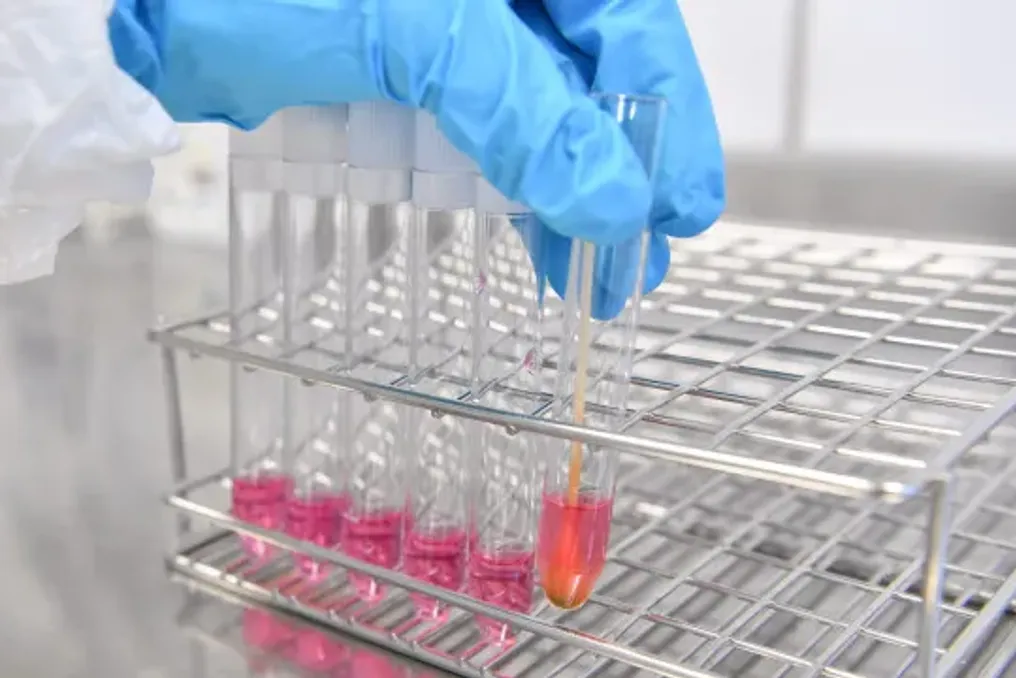
The World Health Organization (WHO) acknowledged advances in combating antimicrobial resistance, but emphasized the urgent need to intensify efforts in areas such as prevention, diagnosis, and correct antibiotic use.

Jean-Pierre Niemazi, interim director of the WHO's antimicrobial resistance department, warned at a press conference in Geneva that antimicrobial resistance is widespread and poses a serious threat to the future of modern medicine.

The emergence of resistance occurs because bacteria have developed the ability to resist drugs created to fight them, rendering many of these substances ineffective. This process has been aggravated by the massive use of antibiotics in humans, animals, and food production, driving the development of Antimicrobial Resistance (AMR) and making it one of the leading causes of infection-related mortality globally.

Niemazi stressed that drug-resistant infections cause deaths for years without full awareness of this dimension. According to the WHO, resistant superbugs are directly responsible for over one million deaths and contribute to about five million annual fatalities.

A survey conducted by the WHO in 183 countries showed that nearly ten out of ten nations have a national action plan against this problem, a significant increase compared to the 79 countries registered in 2017. However, Pravasha Prakash, technical officer of the WHO's AMR department, reported that only 42 nations declare having a plan that is simultaneously funded, implemented, and monitored.

Prakash warned that although countries are progressing in various phases, efforts need acceleration to meet the goals set for 2030, including a 10% reduction in deaths caused by antimicrobial resistance worldwide.

One of the main weaknesses identified is access to adequate diagnostics. Sylvia Bertagnolo, head of the surveillance unit for resistance and laboratory strengthening, reported that only 36% of countries have a national reference laboratory capable of testing the resistance of all fungi and bacteria monitored by the WHO, while the goal for 2030 is 80%.

Bertagnolo explained that without laboratory tests, healthcare professionals are forced to treat patients without knowing the origin of the infection or which antibiotic will be effective.

Recent data from the organization's global surveillance system indicate that in 2023, one in every six confirmed bacterial infections in the laboratory—among those reported to the WHO—showed resistance to the antibiotics used in treatment.

In response to this situation, the WHO announced the creation of two new tools to help countries strengthen their diagnostic capabilities. One specifies the tests that must be available at each level of the health system, from primary care to specialized hospitals. The other compiles 73 laboratory procedures, covering everything from sample collection to the identification of pathogenic agents and the performance of antibiotic sensitivity tests.

Despite the advances in diagnostics, the organization maintains that this is not enough. The WHO also advocates for improving the use of existing antibiotics, given that the emergence of new treatments does not keep pace with the progression of resistances.

Additionally, the WHO reiterates that infection prevention, vaccination, improved access to water and sanitation, along with appropriate antimicrobial use, are the central methods for combating antimicrobial resistance. Niemazi concluded the warning by stating that, without a stronger reaction, 39 million deaths could be attributed to antimicrobial resistance by 2050.

Popular