Uncertainty surrounding H-1B rules and permanent residency status is prompting some highly skilled specialists from India to consider leaving the US, despite strong career prospects in the country's tech sector.
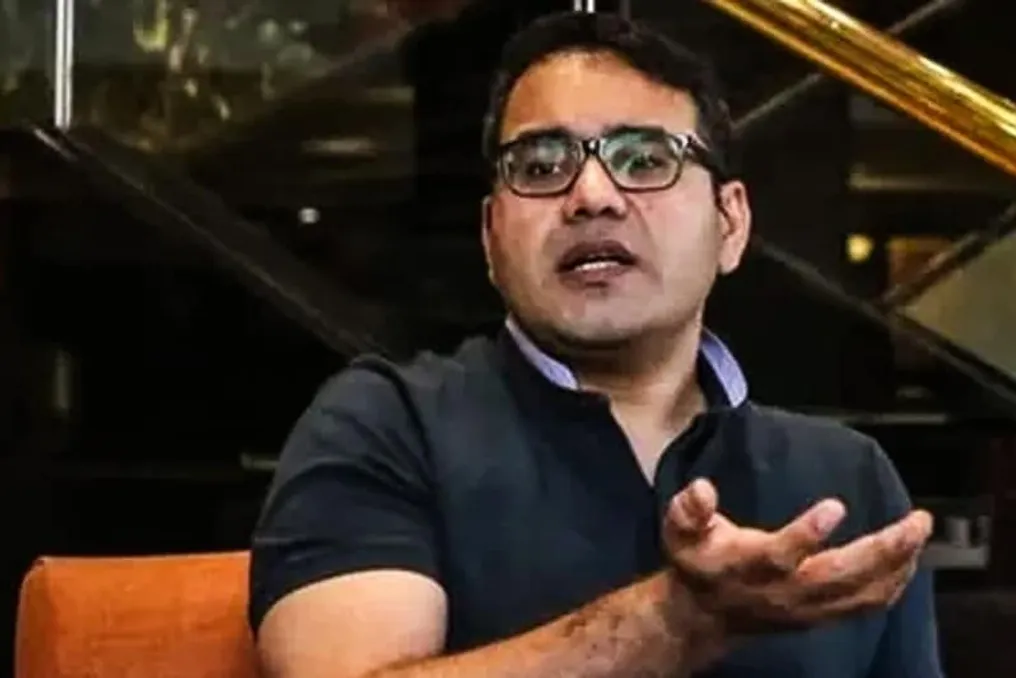
Yash Sharma, a 36-year-old software engineer from India, has decided he can no longer stay in the US. He noted that during Donald Trump's second term, the constant changes in visa rules for highly skilled immigrants, the uncertainty they create, and the low probability of obtaining citizenship have become too burdensome.
Sharma, who held an H-1B visa for six years, reported that it has become difficult for him to concentrate on his work. While he values his life in San Francisco and his job in the technology and AI hub, he feels he has exhausted all possibilities for obtaining permanent residency and building a life in the country.
He described the US as a 'golden cage.' Planning to move to the UK next month without even having a job there, he did so because he was offered a visa with a clear path to long-term stay.
Local elections half a year ago condemned Trump's immigration policies, helping Democrats gain control of Congress. This prompted the president to admit that his administration might have been 'too harsh' regarding the deportation of working individuals.
However, less attention was paid to the changes in visa rules by the administration, which had directed graduates and highly skilled employees into the workforce for years. The newly elected opposition will face difficulties overturning the changes made by Trump, as they effectively dismantled the immigration system that helped make America attractive to the world's best engineers and researchers.
Only this week, the Department of Labor proposed tightening rules for companies wishing to sponsor foreign workers for permanent residency.
Changes to Visa Rules
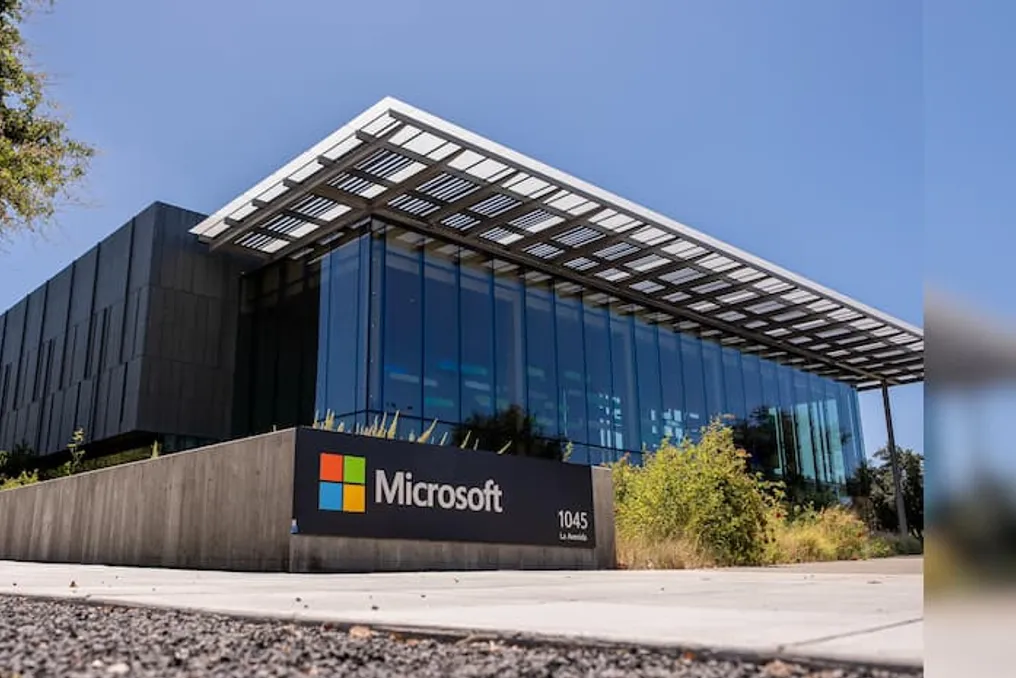
Major American companies are abandoning hope for quick changes. International Business Machines Corp. is ceasing sponsorship of American visas for most positions in its largest division, requiring affected employees to either relocate outside the US or plan to leave the company by the end of the year. Payments company Flywire Corp. is considering moving part of its hiring and development overseas, while Microsoft Corp., Adobe Inc., and several IT outsourcing firms have been excluded from a key green card sponsorship program while federal officials review their activities.
The Trump administration claims that workers and employers have abused the immigration system for years, turning it from a temporary mechanism for attracting highly specialized talent into a massive complex, leading to lower wages for Americans.
Studies on the impact of immigrants on wages have shown mixed results. However, a recently published study by a Harvard University economist who served on Trump's Council of Economic Advisers found that skilled immigration leads to lower wages among college-educated American workers, especially in scientific fields.
The appointment of Stephen Miller to the administration leadership this month strengthens the authority of a long-time proponent of cutting all forms of immigration, and investigations initiated by Vice President J.D. Vance last month regarding employer green card sponsorship added pressure.
Angelo Paparelli, an immigration lawyer and partner at Vialto Law, stated: 'This is a quiet dismantling of labor immigration.'
There is a growing feeling that friction and unpredictability have become the new normal for the US immigration system. This is changing perceptions of the future of the US economy and forcing businesses to plan in a world where they may not be able to attract top talent to their US headquarters.
Scott Corley, CEO of Compete America, a coalition of major US technology and high-skilled employers, noted: 'Economies of scale are a complex thing. It's like reputation: it takes years to build, but it can be destroyed in an instant.'
Sharma recounted feeling frustrated about the chances of converting his temporary visa to permanent residency due to the long wait times for Indian citizens. He had not left the country for a year and a half, fearing he would not be able to return. This resulted in missing family visits, work conferences, and meetings with friends.
Global Talent
He sought another path to permanent residence and greater stability by applying for the 'exceptional talent' visa intended for individuals with outstanding abilities in their field, but his application was rejected after several months of waiting.
The uncertainty pushed Sharma to consider living outside the US. He applied for the Global Talent visa in the UK and received approval, allowing him to move to the UK without a job and begin looking for employment. He believes that the results of the US elections have not changed his plans.
'I have seen different administrations, and I am clear that real changes in the law will not happen,' he said. And even if the situation reverts to the previous state, the difficulty of obtaining permanent residency will still concern him. 'That kind of norm is still crap,' he added.
Trump's large-scale anti-immigration campaign began almost immediately after taking office. After promising to end illegal immigration, this scope expanded to restricting legal immigration pathways, adding new rules, and imposing high fees.
By September of last year, the popular H-1B visa program for highly skilled foreign workers came under intense scrutiny. Initially, a presidential decree required a payment of $100,000 for certain potential candidates for work outside the US. In August, despite a court injunction against this initial payment, the administration decided to introduce a separate fee of $103,000 for new H-1B visa applications.
Legal Challenges
Many of Trump's policy changes face legal challenges, but the chaos and confusion make navigation difficult for both companies and workers. Supnil Deshpande, a senior data analyst at a major US tech firm, noted that the constant changes in immigration policy prevent him from envisioning a stable future in the US. This Indian citizen arrived in 2018 to pursue a master's degree at Northeastern University and has been working in New York for nearly six years.
Every day, he wakes up with the feeling that it could be his last day in the US. He shared that two years ago, he had a specific plan for the next five years: perhaps starting a family, buying a house, and settling down here.
But over the past two years, this plan has become vague. He shared: 'My wife and I wanted to buy a house and start traveling, but now the next question for us is: 'What will happen next month or tomorrow? Where will we be? What is actually waiting for us?' Is this uncertainty, stress, and unpredictability worth it?'
Employers are also reassessing their approach to hiring some of the most sought-after foreign workers. IBM informed employees this month that it would cease sponsoring foreign workers for most positions in its consulting division, according to a document reviewed by Bloomberg News.
For Flywire, based in Boston, stricter immigration rules could complicate the hiring of engineers who create its payment technology systems. The company, which processes billions of dollars in payments monthly for colleges and other clients, stated in its quarterly report this month that it is considering 'reallocating hiring and development activities to lower-cost jurisdictions where we already operate' to offset rising H-1B visa costs. It warned that difficulties in recruiting and retaining specialists could slow down its own product development, and a decrease in international students choosing American universities would lead to reduced enrollment through its network.
Data is beginning to show the impact of Trump's restrictions. According to federal visa data analyzed by the Migration Policy Institute, in the 2025 fiscal year, which included the last three full months of the Biden administration, the US issued approximately 260,000 fewer temporary non-immigrant visas than in the previous year. International enrollment in American universities has decreased: the Institute of International Education estimates a 15% drop in new international students this fall season. Participation in Optional Practical Training (OPT), which grants international students temporary work authorization, fell by 6% at the beginning of the 2026-27 academic year, marking the first decline in five years.
Chris Thomas, an immigration lawyer and partner at Holland & Hart in Denver, reported that his corporate clients are asking about the risks they face if they decide to hire foreigners. For many of them, the opinion is: 'We know we are complying properly, we know we are legal, but we are worried if we will still be fined anyway.'
He added that many clients fear that any perceived slip-up could provoke the government into banning them from work visa programs or initiating criminal investigations.
In the long term, he said, some of his corporate clients are questioning whether it is worth navigating an increasingly complex, employer-based immigration environment. Thomas stated: 'Some say it's too much, time to start offshoring.'
Although legal challenges may limit the scope of Trump's restrictions, Thomas and others argue that the perception that the administration is making the US less welcoming has already broken through the barrier. Kate Angustia, a policy and practice advisor at the American Immigration Lawyers Association, stated: 'It creates deep instability for the entire immigration ecosystem. We are causing a brain drain.'