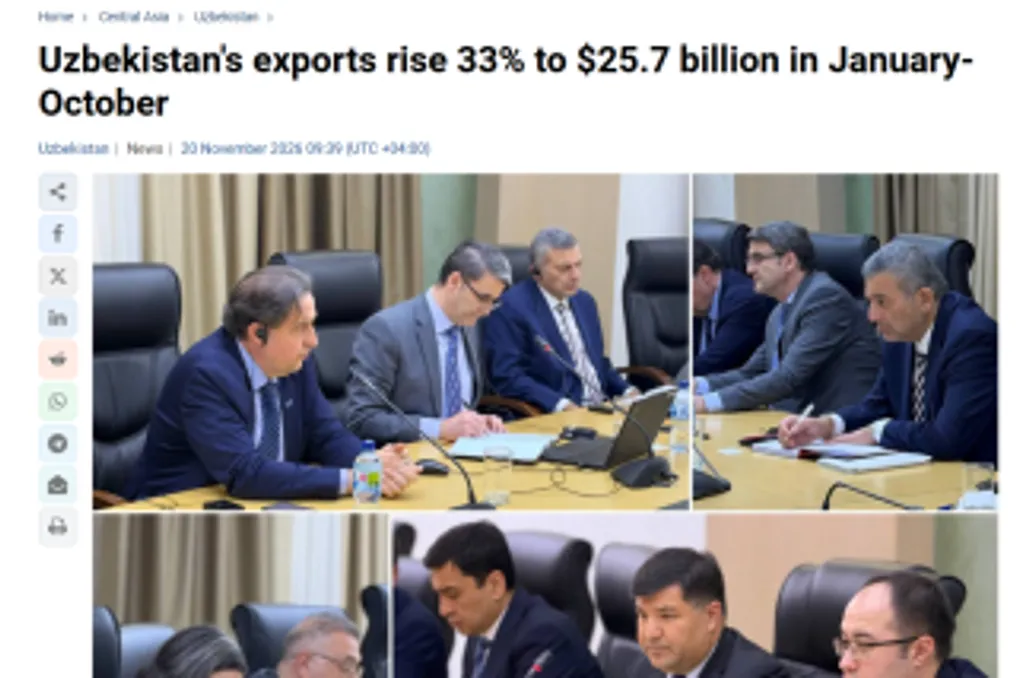
The information agency 'Trend' from Azerbaijan published data on Uzbekistan's foreign trade indicators for the period from January to October 2026. According to this data, the country's exports showed significant growth.
Similar stories
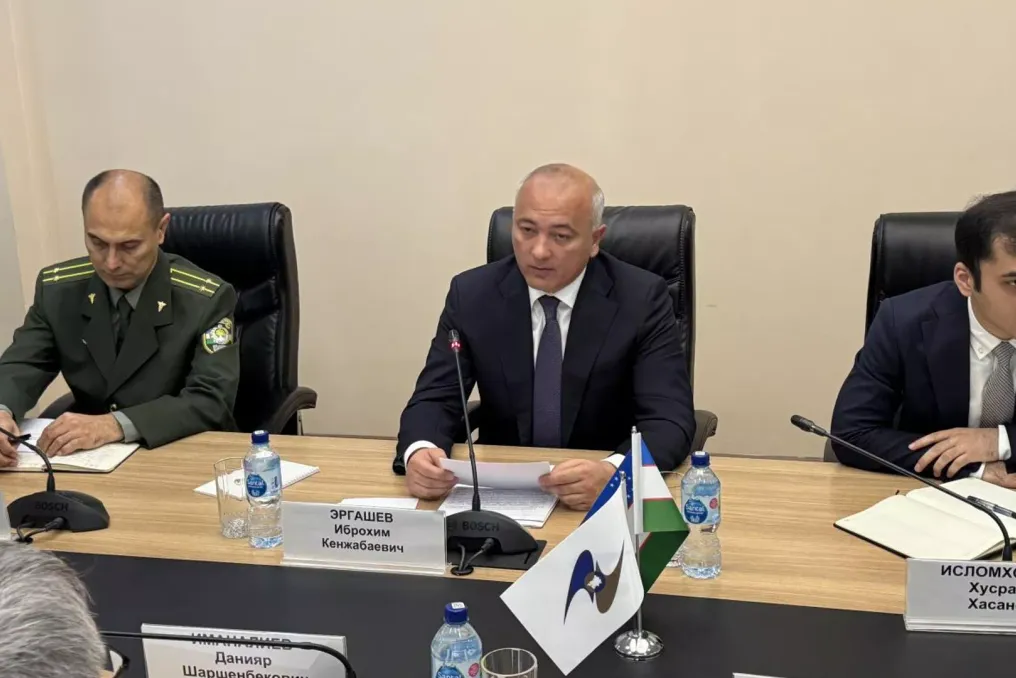
EEC and Uzbekistan Discuss Trade and Economic Cooperation until 2030
The fifth meeting of the joint working group between the Eurasian Economic Commission (EEC) and the Government of Uzbekistan was held in Tashkent. Participants discussed issues of developing trade and economic ties and preparing a new cooperation plan for the period 2027–2030. This was reported by the EEC press service.
The event was chaired by the EEC Minister of Integration and Macroeconomics, Daniyar Imanaliyev, and the Deputy Minister of Investments, Industry, and Trade of Uzbekistan, Ibrohim Ergashov. Relevant bodies from the countries of the Commission, Uzbekistan, and the Eurasian Economic Union (EAEU), as well as representatives of the business community, took part in the event.
Daniyar Imanaliyev emphasized that trade and economic cooperation will maintain positive momentum in 2026. He also reported that the number of joint enterprises involving EAEU countries in Uzbekistan has reached five thousand.
The parties highly appreciated the Commission's cooperation with Uzbek agencies, as well as the work of platforms for official and business interaction. Areas of cooperation highlighted include industrial cooperation, implementation of infrastructure projects, and joint initiatives.
Participants reviewed the implementation of the joint action plan of the EEC and the Government of Uzbekistan for 2024–2026, paying special attention to preparing the next document for the period 2027–2030.
The agenda included discussions on exchanging experience in industry and agro-industry, technical standardization, sanitary and phytosanitary measures, digitalization of customs administration, and international cargo transportation. The parties also discussed issues of simplifying transit, e-commerce, product labeling, and tourism.
According to Imanaliyev, efforts to expand cooperation are aimed at facilitating goods access to markets and reducing business costs. Furthermore, participants considered the preparation of an agreement on the exchange of information on international freight forwarders and vehicles.
Issues regarding activating the conditions for potential participation of Uzbekistan in the unified customs transit system of the EAEU and third countries were also discussed. Another important issue concerned the implementation of a plan to exchange experience on comparative analysis of technical standardization systems in the EAEU and Uzbekistan, as well as on the use of navigation seals.
According to EEC data, the volume of trade between EAEU countries and Uzbekistan increased by 80 percent over the last four years. In 2025, this figure grew by another 16 percent, reaching approximately 21 billion dollars.
The EEC Minister invited representatives of Uzbekistan to participate in the Eurasian Economic Forum, which will take place in Bishkek in May 2027.
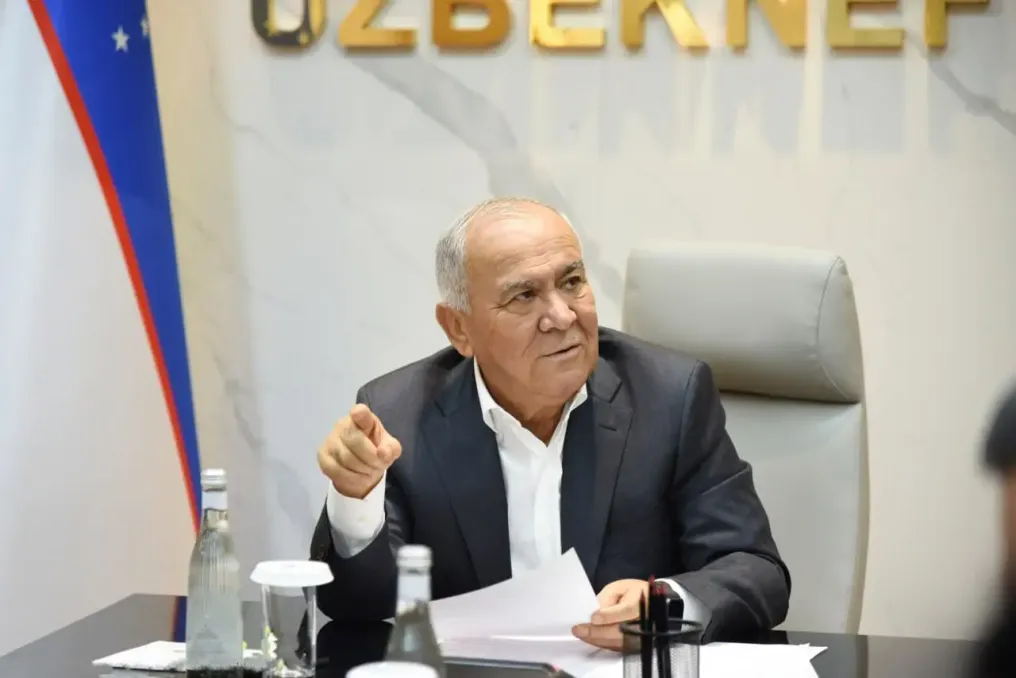
Uzbekneftegaz exceeded export target by 46.4% in the first ten months of 2026
Uzbekneftegaz reported that from January to October 2026, it exported products worth 803.7 million US dollars, exceeding the established plan by 46.4%.
During this ten-month period, the target for commodity production was achieved at 103.7%, with production growth reaching 7.5%. Furthermore, the investment goal was fully met, and the localization of production target was exceeded by 29.5%.
The company managed to reduce production costs by 2.1 trillion sums, while payments to the state budget amounted to 7.9 trillion sums. The volume of liquid hydrocarbon extraction reached 1.016 million tons.
Uzbekneftegaz also surpassed planned indicators for the production of motor gasoline, diesel fuel, liquefied gas, aviation kerosene, sulfur, and polyethylene.
At the management meeting, chaired by the head of Uzbekneftegaz, Abdugani Sanginov, an analysis of the company's performance for the first ten months was conducted, and priorities for the remainder of the year were determined. These priorities include maintaining production stability, accelerating the implementation of investment projects, strengthening executive discipline, and preparing for 2027.
Based on field inspections at enterprises managed by the directors for oil and gas production Mubarek, Shurtan, Gazli, and Ustyurt, the company decided to implement 459 measures. The implementation of these measures is expected to increase daily gas production by another 3.4 million cubic meters.
The company aims to extract 22.8 billion cubic meters of natural gas in 2026. Sanginov instructed responsible employees to ensure the timely and effective application of geological and technical measures, as well as the rational use of the potential of each well.
In addition, the company's ESG index improved from 50 to 55 points. The meeting also discussed preparations for winter in employee dormitories and mobile living quarters, the condition of heating systems, and ensuring employees have winter clothing and footwear, hot meals, and drinking water. Four working groups conducted inspections, and responsible persons were instructed to eliminate the identified shortcomings.
For 2027, the company is tasked with preparing proposals for expanding social support for employees and improving working conditions. It was also instructed to develop regulations for the distinction 'Pride of the Oil and Gas Industry' and a development program for the Gubkin State University of Oil and Gas of the Russian Federation branch.
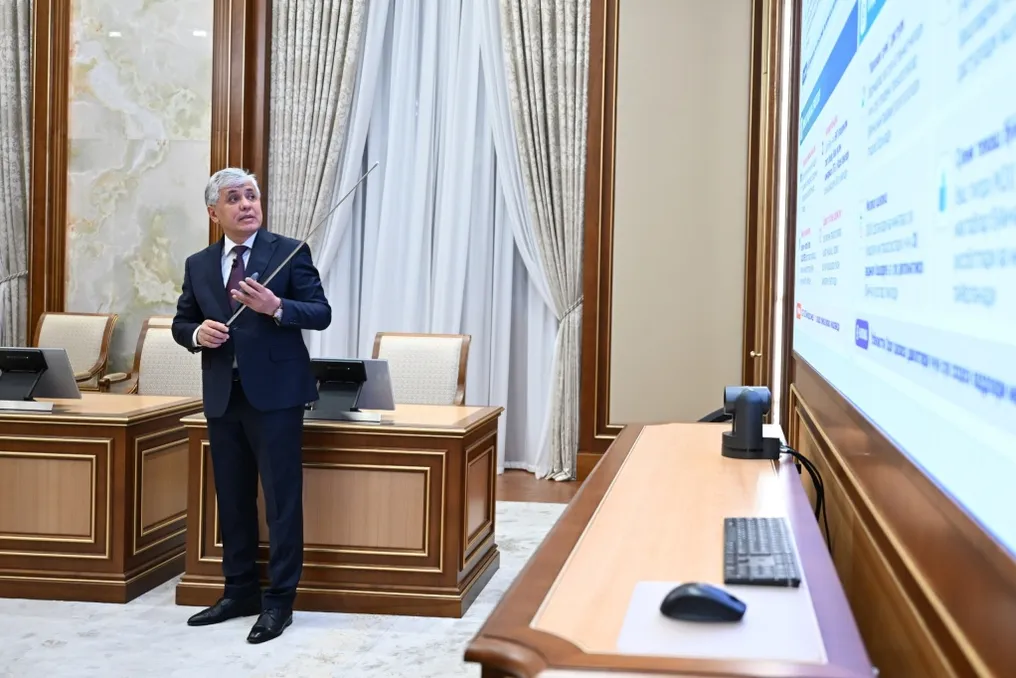
Uzbekistan presented 133 projects worth $3.3 billion for the International Fund for the Aral Sea Salvation
President Shavkat Mirziyoyev reviewed the presentation of project plans that will be implemented during Uzbekistan's chairmanship of the International Fund for the Aral Sea Salvation (IFAS) from 2027 to 2029.
The total cost of the 133 projects developed for this period amounts to $3.3 billion. These initiatives cover the fields of ecology, water resources, and socio-economic development. The financing of these programs will be carried out with the support of several international organizations, including the World Bank, the Asian Development Bank, the European Bank for Reconstruction and Development, the Green Climate Fund, the Global Environment Facility, and other international structures.
Within the approved program, measures are planned for the modernization and restoration of water management facilities, as well as the implementation of automated systems for water control, accounting, and distribution. Furthermore, it is planned to improve public access to drinking water and sanitation services. Another area is the creation of a regional digital platform designed for forecasting droughts and floods, as well as for early warning of such phenomena using hydrometeorological data.
The head of state instructed on the necessity of approving a monthly 'roadmap' of work for the coming year and attracting international experts, scientists, and professors to implement the projects, including compatriots living abroad.
The Fund, established by Central Asian states in 1993, is responsible for the coordinated management of water resources in the Aral Sea basin. Its significance is constantly growing against the backdrop of increasing water scarcity and climate change in the region.
During its chairmanship, Uzbekistan will focus efforts on improving the structure and legal framework of IFAS, as well as clearly defining the powers of all organizational bodies. An important aspect will be strengthening constructive dialogue with Afghanistan and aligning the fund's agenda with the decisions made at the Consultative Meetings of the Heads of State of Central Asia.
The National Research University 'Tashkent Institute of Irrigation and Agricultural Mechanization Engineers' will serve as the scientific and analytical base to support the fund's initiatives. This university will undergo a transformation process: artificial intelligence technologies will be rapidly integrated into educational and scientific processes. Research activities in the field of water conservation and ecological restoration will be expanded, and a general database for the Amu Darya and Syr Darya basins will be formed.
Projects to combat desertification will be developed together with regional scientists, and undergraduate and master's programs in water management will be launched for students from Central Asian and Afghan countries. At the end of the presentation, the president ordered enhanced interaction between relevant departments and neighboring states, ensuring the participation of regional governors, and raising the level of regional water diplomacy.