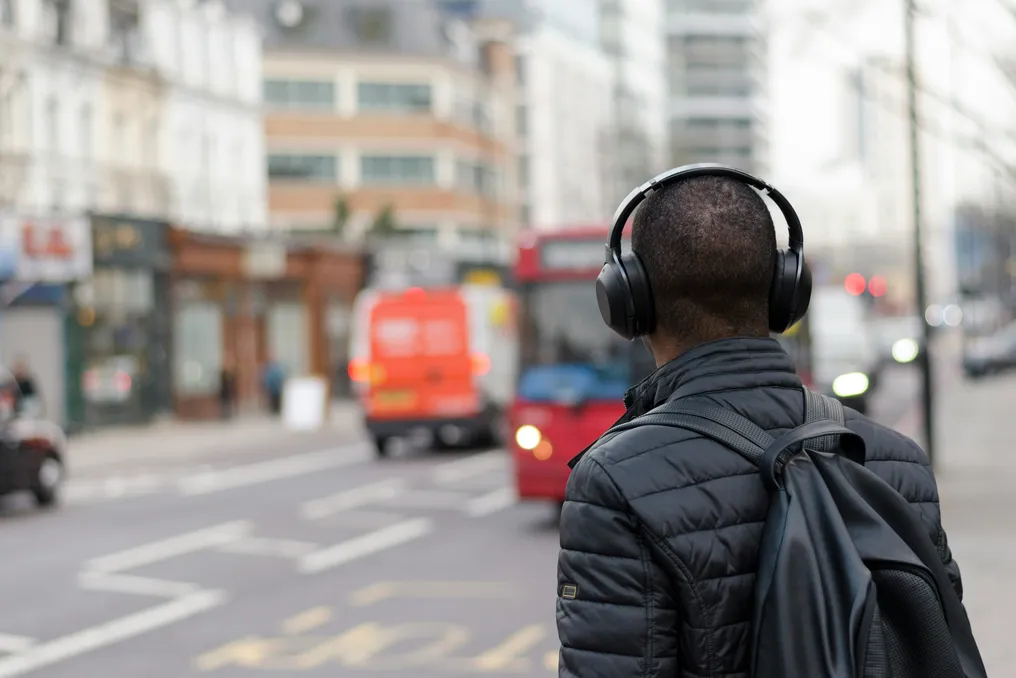
Headphones are frequently used by travelers in different modes of transport, such as airplanes, cars, or buses, as background music complements the journey. However, in the rush of packing luggage, these devices can get squeezed between laptops, chargers, and other belongings. Furthermore, in wireless models, heat and humidity require special attention.
There are simple precautions that help prevent damage and extend the lifespan of the devices. Among the suggestions presented, compiled by Marshall, the British audio equipment manufacturer, are the use of protective cases, separating accessories, and keeping the headphones away from extreme temperatures.
Leaving the headphones loose in the backpack or suitcase exposes them to objects that can move during transit, causing scratches. The best practice is to use the specific case for each model, which acts as a physical barrier between the equipment and the rest of the luggage.
Items like books and laptops can exert pressure on the headphones when they are at the bottom of the backpack. This continuous pressure can deteriorate stems, joints, and cushions. It is recommended to use an external compartment in the backpack and avoid placing heavy objects on top. For foldable models, it is crucial to respect the mechanism established by the manufacturer, without forcing the moving parts.
The interior of a parked car can reach high temperatures, especially if the vehicle is exposed to the sun. This excessive heat harms both the external materials and the electronic components of the headphones, particularly in models with internal batteries. One should avoid leaving the device in direct sunlight or other heat sources during transport, always respecting the temperature limits indicated in the user manual.
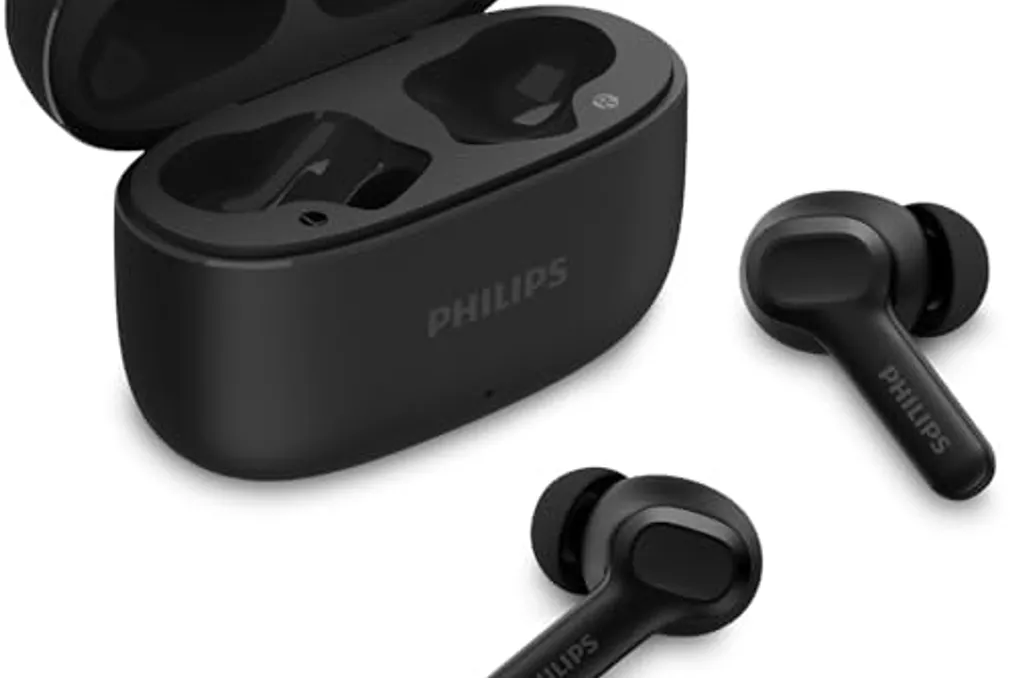
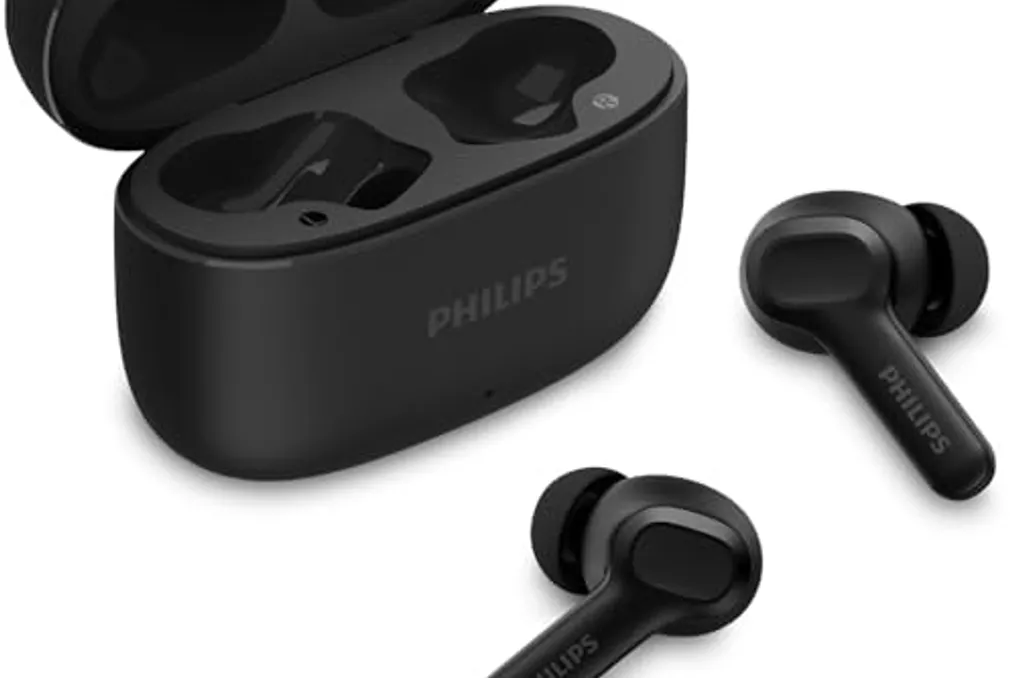
Regarding wireless headphones, extra care is necessary. It is essential to use compatible cables and chargers, follow the manufacturer's instructions, and check the charge level before starting the trip. On flights, one must consult the airline's regulations regarding the transport of lithium battery equipment; the recommendation is that the headphones be carried in hand luggage. If the suitcase needs to be checked at the boarding gate, the ideal is to remove it and take it into the cabin.
Contact with sweat, rain, and humidity is common during travel, especially in beach areas or outdoor activities. Storing the device immediately after use can prevent moisture buildup. Even water-resistant models have protection limits. Therefore, keep the equipment in a dry, ventilated, and shaded place to dry naturally, only placing it in the case after it is completely dry.
Cables and adapters can wrap around the headphones or press on parts of them during transport. Storing them separately makes it easier to locate each item in the luggage. A pouch or a dedicated compartment can house these accessories, and it is important to avoid bending the cables too sharply or leaving them loose next to the device.