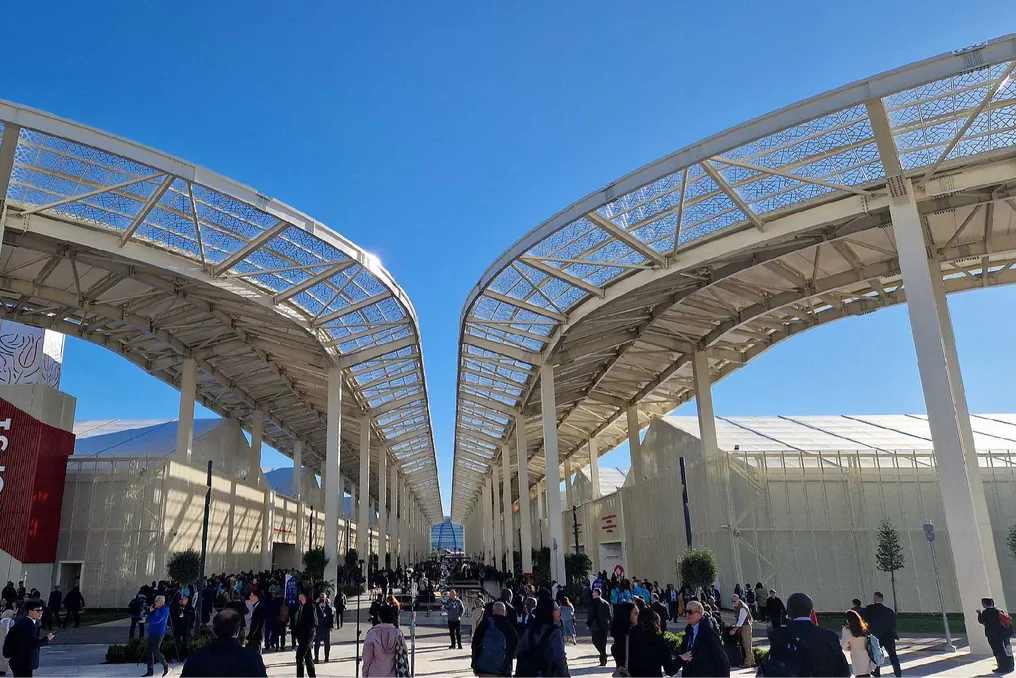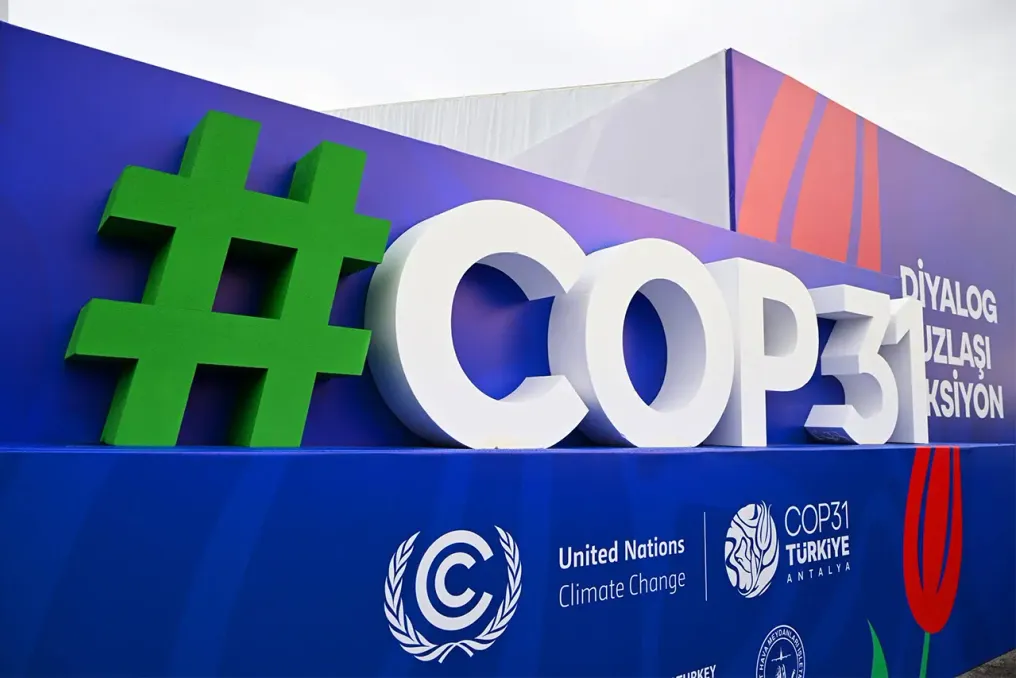
Experts from BRICS countries, international organizations, businesses, and educational institutions held discussions on workforce development for the energy transition at the COP31 conference in Antalya, according to Rosatom. The events took place in the Russian pavilion.
Participants reviewed the energy sector's demand for new competencies, the results of a study on the labor force potential in BRICS countries, and opportunities for youth professional growth. At the plenary session of the BRICS Energy Cooperation Platform, preliminary findings from the second stage of the study titled 'Human Resources Potential of BRICS Countries in the Context of Energy Transition 2.0' were presented.
The geographical scope of this study was expanded to include the United Arab Emirates, Indonesia, Iran, Egypt, and Ethiopia. The results indicate a persistent shortage of qualified technical and engineering specialists, as well as an aging workforce in the energy sectors of BRICS countries. Simultaneously, there is a growing need for specialists in renewable and nuclear energy, including small modular reactors, energy storage systems, hydrogen technologies, carbon capture, utilization, and storage (CCUS), smart grids, and cybersecurity.
Digitalization, the implementation of artificial intelligence, and the automation of production processes are also transforming the labor market. In addition to technical knowledge, interdisciplinary cooperation, the ability to adapt to new technologies, and complex problem-solving skills are becoming increasingly important.
Discussion of Prospects and Proposals
The study also highlights the uneven development of skills required for a low-carbon economy, which could increase the technological gap between states but simultaneously opens opportunities for international cooperation. The discussion gathered participants such as Tatiana Terentyeva, Deputy General Director of Rosatom for Personnel; Elsie Poli, Chief Coordinator of the BRICS Nuclear Energy Platform; Naval Al Khanaei, Director of the Department of Future Energy at the UAE Ministry of Energy and Infrastructure; Lensa Beyer Gudet, expert from the Ethiopian Ministry of Water and Energy; Prakharo Julianto Nurtyadjo, head of the Agency for Human Resource Development in Energy and Mineral Resources under the Indonesian Ministry of Energy and Mineral Resources; and Sara Mikkelsen, Senior Specialist of the Sustainable Energy for All international initiative.
The session was moderated by Elena Vikulova, Director of International Cooperation at the Russian Energy Agency under the Ministry of Energy of Russia. Terentyeva stated that human capital development is becoming a key condition for the energy transition and the long-term competitiveness of BRICS economies. She proposed expanding international educational programs and exchanges, unifying professional standards and qualifications, and jointly training specialists in strategically important areas.
Elsie Poli emphasized the role of nuclear energy in the energy balance of BRICS countries, noting that nuclear energy is linked to industrial development, energy security, and technological sovereignty. Naval Al Khanaei stressed the need for multilateral cooperation in developing new energy markets. She reported that the UAE plans to triple its renewable energy capacity by 2030 and is implementing a National Hydrogen Strategy until 2050.
Proposals arising from the study include joint industry-oriented master's programs, expansion of academic exchanges, creation of a map of energy sector professions in BRICS countries, and the development of a specialized university ranking. Other recommendations concern the establishment of a demonstration center for advanced technologies, developing AI skills for the energy sector, expanding career opportunities for youth and women, strengthening the BRICS International Energy Skills Network, and preparing a workforce development roadmap.
Panel Discussion on Leadership in the Low-Carbon Economy
A separate panel discussion in the Russian pavilion was dedicated to professional development and leadership in the low-carbon economy. It was organized by the Rosatom Corporate Academy with the support of the state corporation. Representatives from business, educational institutions, and international youth organizations discussed how to combine career goals with socially significant tasks, what qualities leaders need in conditions of technological change, and ways to stimulate initiative and responsibility among young specialists.
Yulia Uzhakina, Director of the Rosatom Corporate Academy, noted that modern education should provide not only professional knowledge but also opportunities for developing leadership qualities and gaining practical experience. She emphasized that leadership begins with the willingness to take responsibility, while climate challenges require specialists capable of negotiating and making decisions under uncertainty.
Rostem Ismagilov from Ak Bars Insurance and MGIMO, Safa Yusuf Abdo from Women in Nuclear Global, and Nadira Salsabila from the International Youth Council Impact Team 2050 also participated in the panel discussion. Alla Grishkova, Dean of the Faculty of International Business at the Russian Foreign Trade Academy under the Ministry of Economic Development of Russia, delivered the concluding remarks. Alexander Kormyshin, Director of the International Partnership Center of the Rosatom Corporate Academy, moderated the panel.
The report particularly highlighted the interconnection between technological progress, education, and human capital. It was noted that the energy transition requires countries to invest not only in technology and infrastructure but also in specialists with modern skills capable of working internationally and contributing to the development of new economic sectors. The COP31 conference is taking place in Antalya from November 9 to 20, 2026.