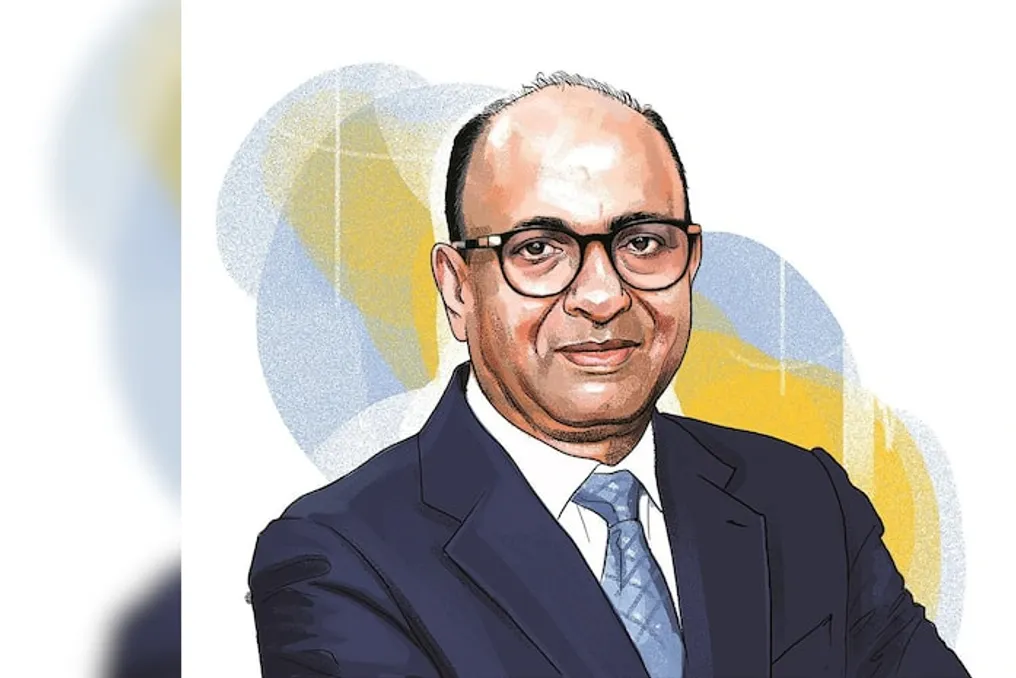
IndusInd Bank applies clawback provisions to Sumant Kathpalia dating back to 2020
Read more
Business Standard
business-standard.com

IndusInd Bank applies clawback provisions to Sumant Kathpalia dating back to 2020

The Board of Directors of IndusInd Bank has decided to apply relevant penalty (malus) and clawback provisions to former Managing Director and Chief Executive Officer (MD & CEO) Sumant Kathpalia. These provisions are applied retrospectively from March 24, 2020, the date of his initial appointment as the bank's CEO. Furthermore, the bank immediately terminated his employment relationship.

The decision was made by the board during a meeting on November 20 after receiving an investigation report prepared by a former High Court Judge of Bombay on November 18. This step followed more than eighteen months after Kathpalia resigned from the post of MD & CEO on April 29, 2025, taking moral responsibility for accounting discrepancies in the bank's derivatives portfolio.

Although the board accepted his resignation from the positions of MD & CEO and director, it stated that Kathpalia would remain an employee of the bank until further notice. Subsequently, disciplinary proceedings were initiated against him in accordance with the bank's internal code of conduct. He was suspended from June 18, 2025, until these procedures are completed.

In its filing on Friday, the bank stated that the board decided to terminate his employment immediately and apply the relevant penalty and clawback provisions from the date of his first appointment as MD & CEO.

This decision resulted from an investigation into discrepancies in the bank's derivatives portfolio, which were identified in March 2025. On March 10, the bank disclosed that an internal review found discrepancies that could negatively impact its net worth as of December 2024 by 2.35 percent. The bank then commissioned PwC to audit the findings of the internal review and assess the potential impact. On April 15, it reported that PwC estimated the negative impact at ₹1,979 crore as of June 30, 2024, equivalent to 2.27 percent of its net worth as of December 2024.

The bank also hired Grant Thornton to conduct an independent investigation into the root cause of the discrepancies and examine the roles and actions of key employees. According to Grant Thornton's findings, incorrect accounting of internal derivative transactions, especially in cases of early termination, led to the recording of nominal profit and, consequently, accounting discrepancies. The cumulative adverse accounting impact on the bank's profit and loss statement as of March 31, 2025, was estimated at ₹1,959.98 crore.

In its fourth-quarter earnings report for fiscal year 25, the bank reported a net loss of ₹2,329 crore for the January-March quarter (Q4FY25)—the largest quarterly loss in decades—due to a significant increase in provisions and unforeseen expenses, exacerbated by multiple accounting discrepancies discovered in the reporting quarter.

Accounting errors were also cited as a reason for the departure of the bank's Deputy CEO, Arun Hurana, in April 2025. Kathpalia led IndusInd Bank from March 2020, taking over from Ramesh Sobti, who had headed the bank for over ten years. Before assuming the role of MD & CEO, Kathpalia managed the bank's consumer banking business. He joined IndusInd Bank in 2008 and previously worked with foreign creditors, including Citibank and Bank of America.

Similar stories

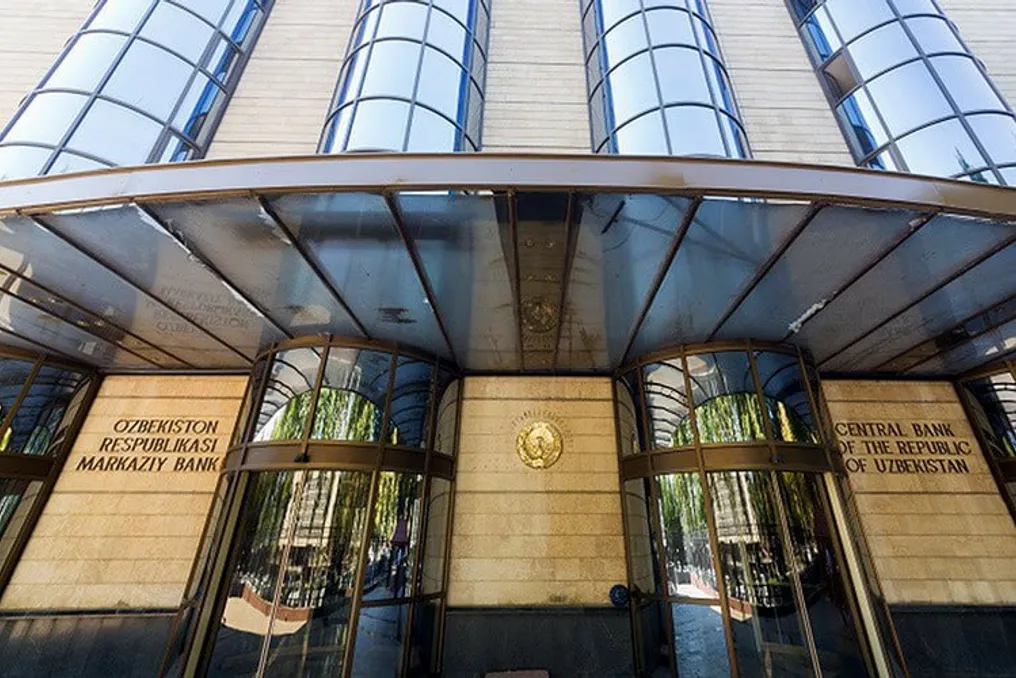
Procedure for bank sanitation approved in Uzbekistan to protect depositors and ensure continuity of services
Read more
podrobno.uz

Procedure for bank sanitation approved in Uzbekistan to protect depositors and ensure continuity of services

A new sanitation procedure has been approved in Uzbekistan for banks facing financial difficulties. These new regulations are designed to guarantee the safety of depositors' funds, ensure the stability of banking operations, and improve the efficiency of resolving issues in the financial sector.

The document regulating sanitation procedures was registered by the Ministry of Justice and developed to implement the 'Law on Bank Sanitation and Liquidation.' It details the process of financial recovery for credit institutions in difficult situations and introduces additional guarantees for clients.

Sanitation itself is defined as a set of actions aimed at maintaining the key functions of a bank and ensuring its sustainability without interrupting customer service.

According to the established rules, the assets and debts of a troubled bank, including loans and deposits, can be transferred to another financial institution. There is also an option to create a temporary bank that will maintain the continuity of essential banking services for two years. Furthermore, mechanisms are provided to cover losses through the conversion or write-off of part of the capital and liabilities.

Significant attention is paid to protecting depositors: guaranteed deposits, including amounts exceeding the guaranteed limit, cannot be written off or converted into shares. When transferring deposits to another bank, clients will not need to re-enter into a bank account agreement. Additionally, measures must be taken to maintain uninterrupted service when transferring assets and liabilities.

The document also stipulates that the primary coverage of the bank's losses is carried out at the expense of its shareholders. If sanitation is necessary, a special administrator is appointed under the supervision of the Central Bank.

The decision to initiate the sanitation procedure will be published on the official resources of the Central Bank and the bank itself, as well as on their official social media accounts. Previously, the Central Bank of Uzbekistan required commercial banks to cancel illegal charges on loans and return funds to borrowers.

Central Bank of Uzbekistan Obliged Banks to Cancel Illegal Loan Charges and Return Funds to Borrowers
Read more
podrobno.uz

Central Bank of Uzbekistan Obliged Banks to Cancel Illegal Loan Charges and Return Funds to Borrowers

The Central Bank of Uzbekistan has instructed commercial banks to conduct a thorough internal audit of all loan agreements for which court decisions regarding debt recovery have already taken effect. Based on this audit, banks are obliged to annul unjustifiedly accrued interest, fines, and penalties, as well as return the funds previously collected from borrowers.

The deadline for completing this audit is set for December 10, 2026. The basis for the Central Bank's requirements is the third part of Article 744 of the Civil Code, according to which the accrual of interest, fines, and penalties ceases after the court issues a decision to recover the credit debt. This means that after receiving a judicial act, the debt should not increase due to additional charges.

The Central Bank has tasked the supervisory boards and management of banks with ensuring compliance with this requirement. Internal audit departments must examine loans with existing court decisions and provide bank management with information about identified violations.

If an instance of illegal accrual of interest or fines to borrowers after a court decision has been issued is found, banks must immediately cancel these amounts and refund the already collected funds. Commercial banks must provide the Central Bank with detailed reports on the work performed and the returned money, supported by documentation, by December 25, 2026.

Borrowers facing such situations have the option to seek assistance through the Central Bank's call center or use the Telegram bot.

Popular