There was a significant rise in the pharmaceutical sector: shares of one company jumped by 156% in a single day following the announcement of a successful trial for a leukemia-related vaccine. This pharmaceutical asset, traded on the American market, demonstrated impressive momentum.
SELLAS Life Sciences Group, a biotechnology and pharmaceutical firm founded in 2012, is headquartered in New York and is listed on the Nasdaq exchange. Although predicting stock market behavior is difficult, companies like SELLAS Life Sciences Group are considered high-growth assets for investors.
On Tuesday, November 16, after the news broke, the shares experienced a sharp spike. Opening above $24, they surprised investors, as the initial price exceeded $7.99 closing price. In mere seconds, this pharmaceutical asset surged by over 233%, reaching $24.89.
Despite some slowing of the growth rate as the market moved, by the time the American stock market closed, the stock finished at $19.15, representing an increase of 156.36%. This brought significant profit to investors who put money into this stock. As a result of this jump, the company's market capitalization also increased, and on Tuesday, it set a new fifty-day high at $24.89. SELLAS Life Sciences stock became one of the leaders in daily return performance.
If an investor had invested $10,000 in this stock, their capital could have grown to $25,600 thanks to the one-day increase.
The main reason for such a powerful growth was the announcement of positive results from the trials of a vaccine developed by this American pharmaceutical company to treat cancer-related diseases. This vaccine is capable of significantly reducing the risk associated with blood cancer.
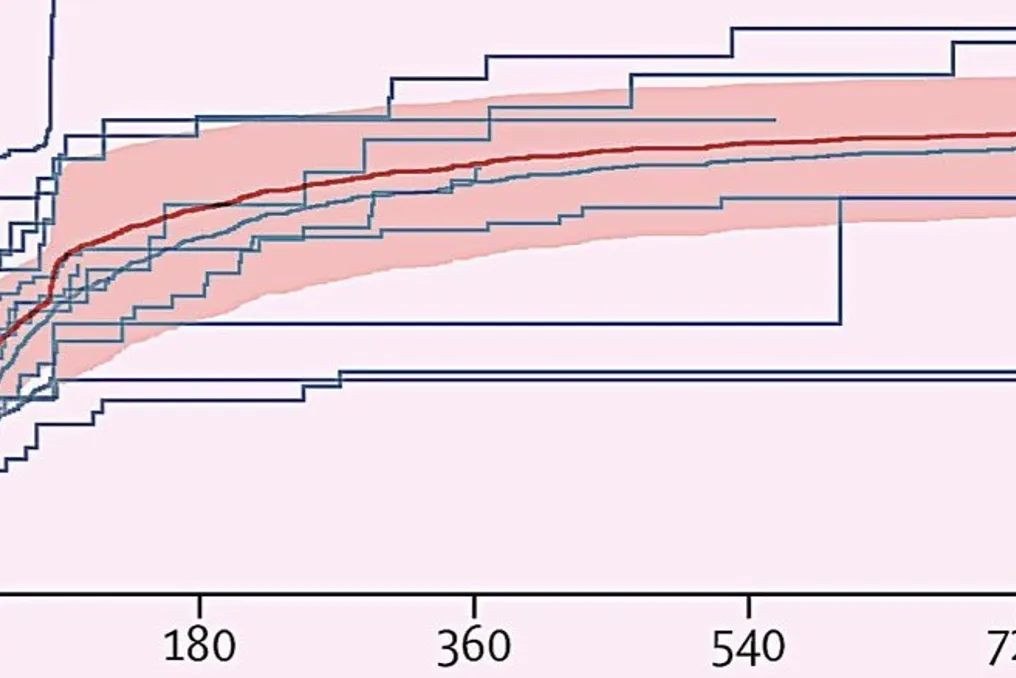
According to a Reuters report, the vaccine, named Galinpepimut-S or GPS, was tested on patients with acute myeloid leukemia (AML) who recovered from cancer therapy but could not undergo bone marrow or stem cell transplantation. The company Selas reported that in trials involving 126 patients, the GPS vaccine reduced the risk of death by 41% compared to the best treatment methods. Patients receiving the vaccine lived an average of 24 months, while patients in the control group lived an average of 14.7 months.