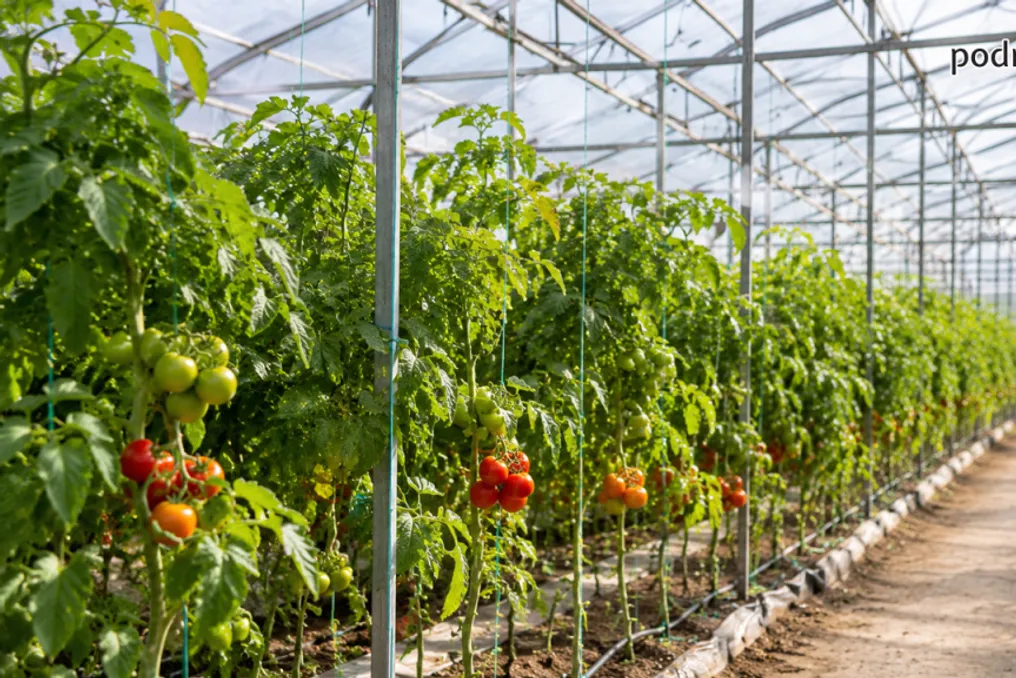
A special working group has been formed in the Kibray district of the Tashkent region. The goal of this group is to study the problems faced by greenhouse farms regarding the implementation of new environmental standards. Specialists are tasked with developing solutions that will allow business owners to comply with established norms and conduct their activities without interruption.
Representatives of the greenhouse sector previously voiced their difficulties during an open dialogue held at the Chamber of Commerce and Industry. The visit to the situation in the Yonarik mahalla of the Kibray district was organized at the initiative of the Chamber itself.
The meeting included the head of the Chamber's department, Sherzod Yuldashev, as well as the deputy director of the National Committee on Ecology and Climate Change, Zafarbek Kayumov, and other representatives of relevant agencies.
The meeting discussed how to apply the requirements stipulated in Cabinet of Ministers Resolution No. 586 of October 22, 2026, to small greenhouse enterprises. Special attention was paid to identifying existing barriers and opportunities for meeting environmental standards.
Finding balanced solutions is critically important because for many families in the Yonarik mahalla, greenhouses represent the main source of income. Therefore, it is crucial to ensure compliance with environmental requirements without creating conditions that could prevent entrepreneurs from continuing their work.
The formed working group has been instructed to conduct a comprehensive study of the raised issues and present substantiated proposals. Currently, group members are working on finding options within the framework of current legislation, taking into account the interests of greenhouse farms.
It should also be noted that a new support program for greenhouse farms using energy-saving technologies came into force in Uzbekistan on November 1, 2026. The state commits to compensating 50% of electricity costs for greenhouses during the winter period—from October to March. This program is valid until April 1, 2030.