Travelers: Why Constipation During Trips Does Not Require Bowel Cleansing
Read more
Getaway
getaway.co.za

Travelers: Why Constipation During Trips Does Not Require Bowel Cleansing

Signs of constipation while traveling often lead to the thought that a cleansing procedure is necessary, but this is not the case. Constipation on vacation is a common and easily manageable issue, and attempts at detox can only worsen the problem.

Reasons for Slowed Intestinal Function While Traveling

Constipation during travel means that a person cannot empty their bowels at the usual time, whether for one, two days, or longer. The main factors contributing to this are disruption of the usual daily routine, insufficient intake of water and fiber, and prolonged sitting. The National Institutes of Health (NIH) points to travel, ignoring the urge to defecate, and inadequate hydration as frequent triggers.

Stress and discomfort from using shared, doorless restrooms also add to the problems. Both long periods of sitting and travel-related stress can slow down the digestive system. If this is combined with dietary changes—switching from regular muesli and vegetables to local dishes like padkos, braai meat, and sweets—the rhythm of bowel function quickly gets disrupted.

The Cleansing Myth: Why Detox Tea Is a Bad Companion on Trips

There is a belief that stool is a buildup of toxins that needs to be eliminated. However, doctors view stool as a normal metabolic waste product, not a repository of poisons, as is presented in detox product marketing. Many cleansing products contain stimulating laxatives. Teas for 'detoxification' or 'weight loss' usually contain senna or other similar herbal laxatives. Reviews link the use of such cleansing agents to a measurable risk of electrolyte imbalance, kidney damage, and cardiovascular complications, while demonstrating no clinical benefit.

This is a risky strategy, especially when you are in hot weather, sweating, and far from a medical facility. The only scientifically sound reason for colon cleansing is preparation for a colonoscopy, which is performed under medical supervision. If the situation is critical, a pharmacist may recommend a suitable over-the-counter remedy. One should not improvise with tea found online.

Fiber, But Keep the Pace (and Drink Enough Water)

Most adults require about 25–35 grams of fiber daily, but a week of eating padkos will not provide this amount. Nevertheless, fiber requires water support. With insufficient fluid intake, excess fiber can worsen constipation, bloating, and discomfort. It is necessary to gradually increase consumption and aim for 1.5–3 liters of fluid per day, and even more in the heat during hikes.

A cooler bag and a pantry can be seen as auxiliary staff for the intestines. Pack whole fruits, nuts, seeds, oats, vegetable sticks, and whole-grain crackers. While traveling, you can purchase local products such as guavas, roadside orange fruits, and fresh greens, such as morogo. If you are interested in guavas and morogo, you can read a guide on Vitamin C in South African produce.

Meat is excellent for braai, but it should not be allowed to displace other components of the plate. If there is a question about the required amount of protein, its need is less than a mountain of boerewors, so room must be left for vegetables.

Move and Don't Ignore Nature's Call

The intestines like movement. It is important to stay active every day or at least every other day to stimulate intestinal function. Walking is an excellent form of physical exercise. One research review indicates that moderate exercises, such as walking, cycling, or yoga, for 20–30 minutes five days a week, are beneficial. Even a morning walk to a viewpoint counts.

Furthermore, there is a point that many prefer not to discuss: when the urge arises, one must follow it. Ignoring this urge can cause discomfort and trigger or exacerbate constipation. A warm drink can also help with the morning ritual. Warm liquid, such as coffee or tea, can promote the act of defecation. Try to maintain a regular schedule for meals and sleep, if possible.

Bowel Kit Without Cleansing for Your Next Trip

To ease discomfort while traveling, it is recommended to carry:

  • A large reusable water bottle (or two) that needs refilling at every stop.
  • High-fiber snacks: whole fruits, nuts, seeds, oats, whole-grain crackers, and vegetable sticks.
  • Your usual breakfast or an adapted version for travel.
  • Hiking boots, not just driving shoes: a daily 20–30 minute walk.
  • Toilet kit: toilet paper, trowel, sanitizer, and headlamp for nighttime outings.
  • Itinerary with stretching breaks every couple of hours during long journeys.
  • Your pharmacist's number or a visit before departure if you are prone to constipation.

When Not to Wait in the Wild

Most cases of travel-induced constipation resolve within one to two days after resuming a regular routine. A doctor should be consulted if the condition persists for more than three weeks. Similar symptoms require specialist attention: blood in stool, black stool, or unexplained weight loss.

Immediate medical attention is necessary if constipation is accompanied by severe abdominal pain, vomiting, fever, or the inability to pass gas or stool. If you are in a remote area, you should proceed to the nearest clinic or hospital without waiting until the end of the trip.

Your intestines do not require cleaning; they need water, plants, daily activity, and your attention when they signal. Therefore, provide them with this, and leave the cleansing procedure for the barbecue.


Similar stories

Editorial: Deviate from the route and see where it leads
Read more
getaway.co.za

Editorial: Deviate from the route and see where it leads

Slow movement and maintaining curiosity are often the best combination for exploration. Travel has an amazing ability to remind us that there is always something new to discover, even in places that seem familiar.

Sometimes it's about the road you've driven dozens of times, the city you drove past without stopping, or the usual destination you approached from a completely different direction. The details can look entirely different if you slow down enough to notice them.

There are many practical reasons for traveling. A weekend can be an opportunity to disconnect from routine, but also a chance to find a new place to eat, meet people with different views, learn about the region's history, or spend a few hours on an activity that usually lacks time.

Some of the most memorable discoveries are not found on a meticulously planned itinerary. They happen when you take a wrong turn, stop at an unfamiliar roadside attraction, talk to a local resident, or decide that a place with an unusual name on a road sign deserves closer attention. These moments may not be in your plan, but they can become stories you tell later.

South Africa, in particular, knows how to reward curiosity. A trip between two familiar points can reveal a small village you never explored, a farmer's stall worth stopping at, a hiking trail you didn't know existed, or a fragment of local history that changes your perception of the landscape. Sometimes you don't have to go far to feel like you've discovered something new.

Of course, longer trips bring their own opportunities for learning. Different customs, dishes, landscapes, and ways of life give us a chance to see more than our daily lives. Even the smallest details—an unusual place name, an unexpected local tradition, or a curious fact about a destination—can add a new layer to the journey.

For the author, this is one of the best things about travel: it encourages us to be curious. It prompts us to ask questions, look more closely, and sometimes step outside the ordinary. This doesn't require covering thousands of kilometers. Sometimes it's enough just to choose a different way home.

So, wherever your next journey takes you, leave some room for surprises. Veer off the route. Stop to admire the view. Ask an extra question. Try a local dish whose pronunciation you don't know. You never know which small decision will turn into the main event of the trip.

Tips for Maintaining Harmony on Trips with Friends
Read more
getaway.co.za

Tips for Maintaining Harmony on Trips with Friends

Traveling with friends is often seen as the perfect opportunity for socializing, trying new things, and creating shared memories. However, cohabitation, managing budgets, and planning itineraries can create tension even in the strongest friendships.

A little advance planning can significantly affect the success of a group trip, helping to avoid disagreements related to expenses or different ideas about how to spend the day. Seven ways are presented that will help maintain peace and enjoy the next trip.

Financial issues can quickly become a source of conflict, especially if each participant has different ideas about what is an acceptable level of spending. While one person might prefer expensive boutique hotels and restaurants, another might prefer budget options and self-catering.

Before booking, it is necessary to openly discuss the financial capabilities of all participants. You should discuss expected costs, including transportation, accommodation, entertainment, groceries, and dining out. It is also important to agree on a method for splitting shared expenses; apps for tracking spending can be used for this to avoid awkward conversations after the trip.

Approaches to vacation among friends can vary greatly. One friend might want to visit all the sights, while another might be content to sleep in the morning and spend the afternoon by the pool.

Before the trip, it is worth discussing desired activities and determining which activities are most important to the whole group. Creating a flexible plan with one or two planned activities per day and time for free leisure will help satisfy everyone without making the vacation too rigidly structured.

Although spending time together is the goal of a group vacation, it does not mean that everything must be done together. If one person wants to visit a museum and another prefers to walk around local shops, it is perfectly fine to spend a few hours separately.

Having time for independent activities helps prevent feelings of being overwhelmed and gives everyone something new to discuss when they meet. Even the closest friends can benefit from some personal space.

Small irritations accumulate if ignored. Perhaps someone is constantly late, another doesn't help keep the accommodation clean, or one friend makes decisions for the entire group. Instead of letting frustration build up, questions should be raised calmly and respectfully. A direct conversation can often solve the problem before it negatively affects the rest of the vacation.

Group trips require a lot of behind-the-scenes planning, and it is easy to assume that the entire burden will fall on one person. The work of finding accommodation, restaurants, organizing transport, and keeping track of bookings should not fall solely on one friend. Tasks should be distributed according to each person's interests and availability. One person can handle restaurant searches, another can organize transport, and a third can monitor bookings. It is also important to acknowledge the effort put into planning; a small thank you is highly appreciated.

A packed schedule may sound appealing, but travel is tiring. Long days of sightseeing, unfamiliar surroundings, and constant interaction can leave even the most energetic traveler needing a break.

Since people have different energy levels, no one should be made to feel guilty for skipping an event, taking a nap, or choosing a quiet evening. Time for rest must be included in the plan, and everyone should be allowed to enjoy the vacation at their own pace.

Even the best travel companions won't agree on everything. Plans change, restaurants can be disappointing, and people sometimes have bad days. Not every disagreement needs to turn into a serious problem. It is important to show each other tolerance and know when to compromise. If you offend a friend, offer a sincere apology instead of defending yourself. Similarly, try not to let minor disagreements overshadow several days of pleasant memories.

Ultimately, traveling with friends is an opportunity to spend time together, not to create a perfectly planned vacation. Expectations must be realistically assessed, communication must be open, and everyone must be allowed to enjoy the experience in their own way. The best memories often arise from unexpected moments, and a successful trip can strengthen friendship.

Airlines Increase Focus on Premium Services in Response to Growing Demand for Comfort
Read more
getaway.co.za

Airlines Increase Focus on Premium Services in Response to Growing Demand for Comfort

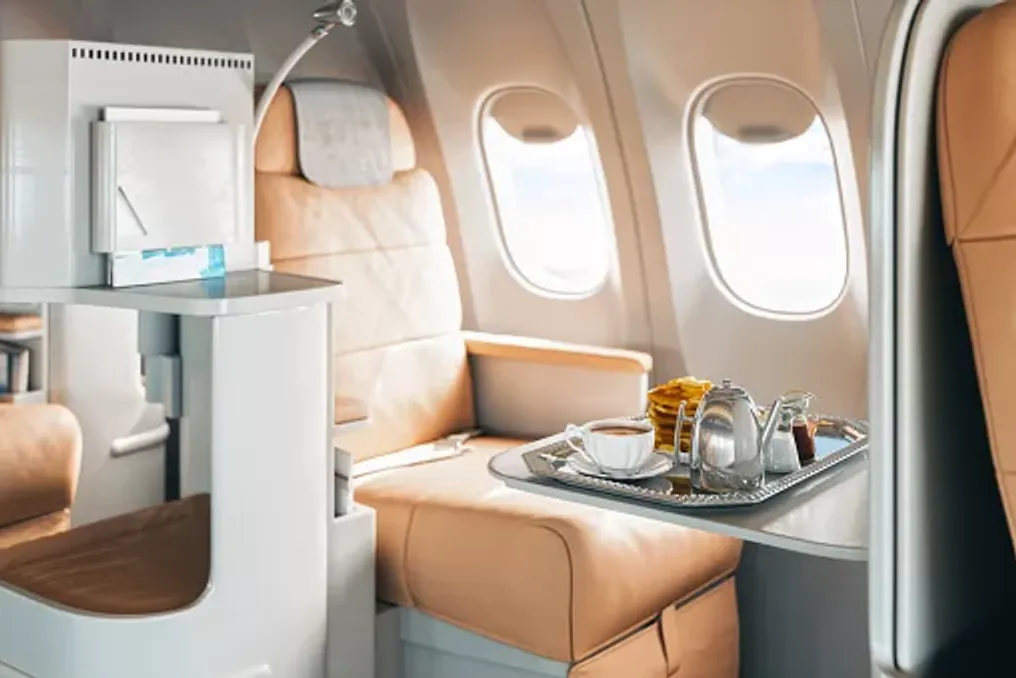
Airlines are increasingly investing in enhanced premium travel experiences, introducing more spacious seating, improved onboard catering, and exclusive airport lounges, as they seek new ways to attract passengers and increase profits.

The aviation industry is looking for new solutions to improve flight comfort: from economy class seats that convert into sleeping berths to first-class cabins equipped with double beds. However, the increased focus on premium offerings may lead to a reduction in the number of standard economy seats on some aircraft.

According to a Euronews report citing the AFP agency, airlines are expanding their focus beyond traditional business and first-class offerings to attract passengers willing to pay more for enhanced comfort, convenience, and additional services.

This shift occurs against the backdrop of rising aviation fuel prices, which puts pressure on the profitability of air carriers and makes high-margin travel products increasingly attractive to the industry.

Expert Opinion on Premium Class Profitability

Volodymyr Bilotka, a professor at Purdue University specializing in aviation economics, told AFP that a business class cabin can occupy the same space as about four standard economy seats while generating five or six times the revenue.

American Airlines has already demonstrated growth in this market: its premium revenue increased by 18.5% year-over-year in the last quarter, outpacing the growth rate of the main cabin revenue. Furthermore, the airline reported that premium products account for approximately half of its ticket revenue, despite occupying only about 30% of available seats.

The growth in premium travel is particularly noticeable in the United States, where, according to the industry publication Skift, the number of premium seats on domestic flights has increased by 33% since 2020.

United Airlines has more than doubled its premium seat capacity between 2015 and 2026 and continues to introduce new features to enhance passenger journeys. One upcoming addition is the Relax Row, expected to launch in 2027. This concept will allow economy class passengers on selected Boeing wide-body aircraft to convert a row of three seats into a sofa-like space for sleeping or relaxing during long-haul flights.

The airline has also announced a new Economy Plus option that will allow passengers to avoid sitting next to anyone in the middle seat. This service is expected to launch on select routes by the end of 2026.

Meanwhile, JetBlue has introduced BlueFirst, a new domestic first-class service, in response to growing interest in more comfortable flights.

Enhancing Passenger Experience Goes Beyond Seating

For some airlines, improving passenger service quality is not limited to seat arrangement. Delta Air Lines has invested in its Delta One offering by implementing enhanced dining, premium wines, and larger entertainment screens.

The onboard menus were developed with the participation of Simon Halston, chef at The Elephant restaurant in Torquay, England, a Michelin-starred establishment, and sommelier award winner Andrea Robinson. The airline plans to introduce this service on its new Airbus A350-1000 aircraft, which will feature approximately 150 premium seats alongside 161 economy seats.

Ekrem Dimbiloglu, Delta's Chief Officer of Strategy and Inflight Experience, told Euronews that the share of premium seats has changed significantly over the past two decades. He suggested that eventually, premium seats could account for up to 70% of the seating capacity on some of the airline's flights.

Airport experiences are also becoming part of the competition, as carriers invest in upgrading and creating new lounges. Additional industry benefits include free Wi-Fi and the ability to choose meals before boarding.

Expansion of the Premium Segment Among Global Carriers

The pursuit of premium service is not limited to American carriers. British Airways announced in October that the upper deck of its double-decker Airbus A380 would be entirely dedicated to premium seating, while Singapore Airlines recently announced an investment of 1.4 billion euros to modernize its long-haul cabins.

Singapore Airlines' modernization will improve first, business, premium economy, and economy classes. Notable additions include a 203 cm long and 152 cm wide double bed in first class, designed for traveling companions.

Some airlines have pushed the premium class concept even further by launching flights without traditional economy seats. Carriers focused exclusively on business class, such as BeOnd and La Compagnie, serve clients seeking a more luxurious flying experience.

The British company Jet2 has also announced a new charter service with a specially equipped Boeing 737-800NG featuring 76 business class seats.

The expansion of premium seats reflects a broader shift in how airlines allocate resources to passengers. According to consulting firm Cirium, premium seats now account for 19% of the total capacity on 42 flights belonging to three major global airline alliances and Middle Eastern carriers. This figure is up from 17.1% in 2019.

While these figures indicate continued investment in premium travel, this trend may also change the traditional economy class experience. As airlines dedicate more cabin space to passengers willing to pay more and offer extra services, travelers may encounter fewer standard economy seats on certain routes. At the same time, passengers who cannot afford business or first class may pay an extra fee for minor upgrades, including more legroom, preferred seating, and other onboard amenities.

For airlines, this strategy provides an opportunity to increase revenue per flight. For travelers, it can mean more choice regarding the level of comfort they are willing to pay for.

Popular