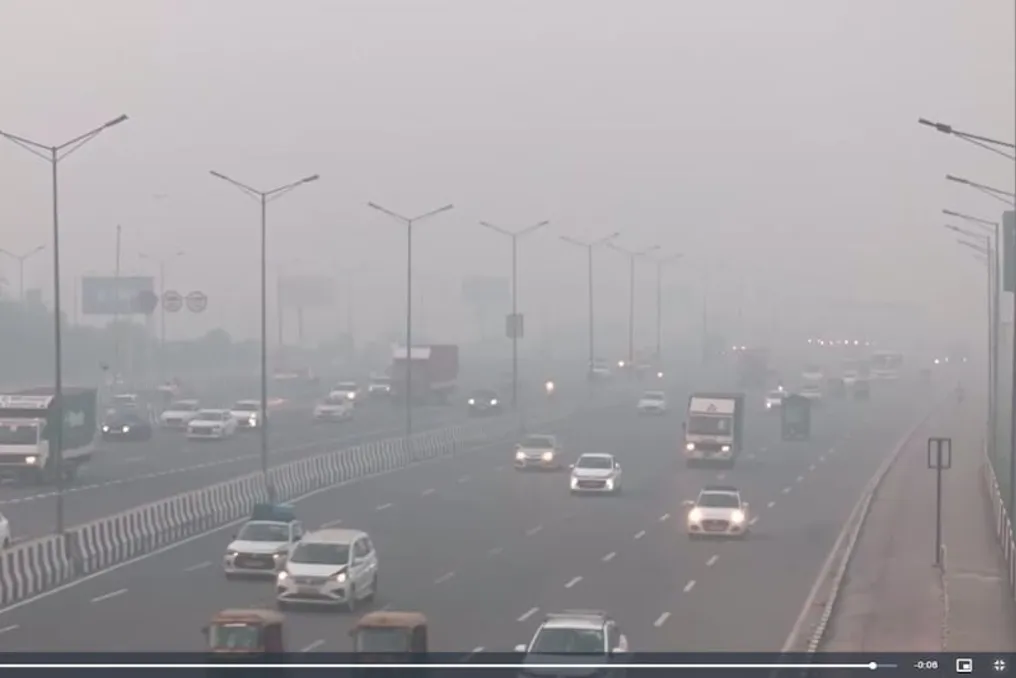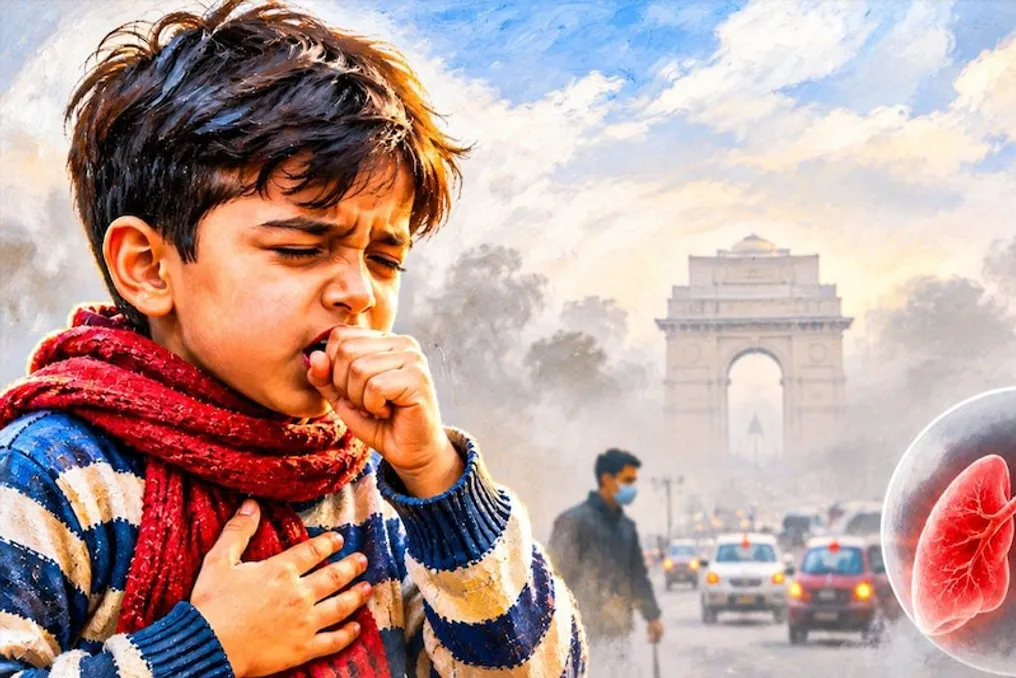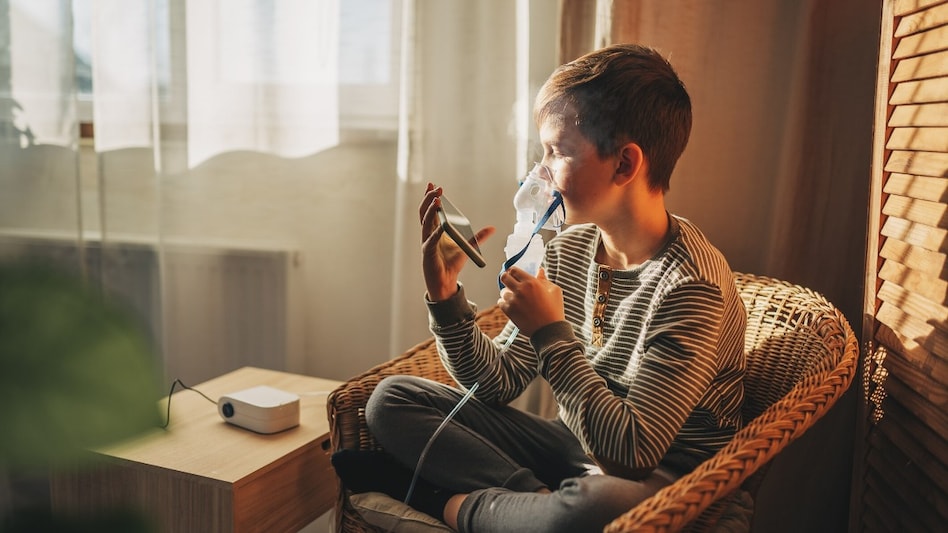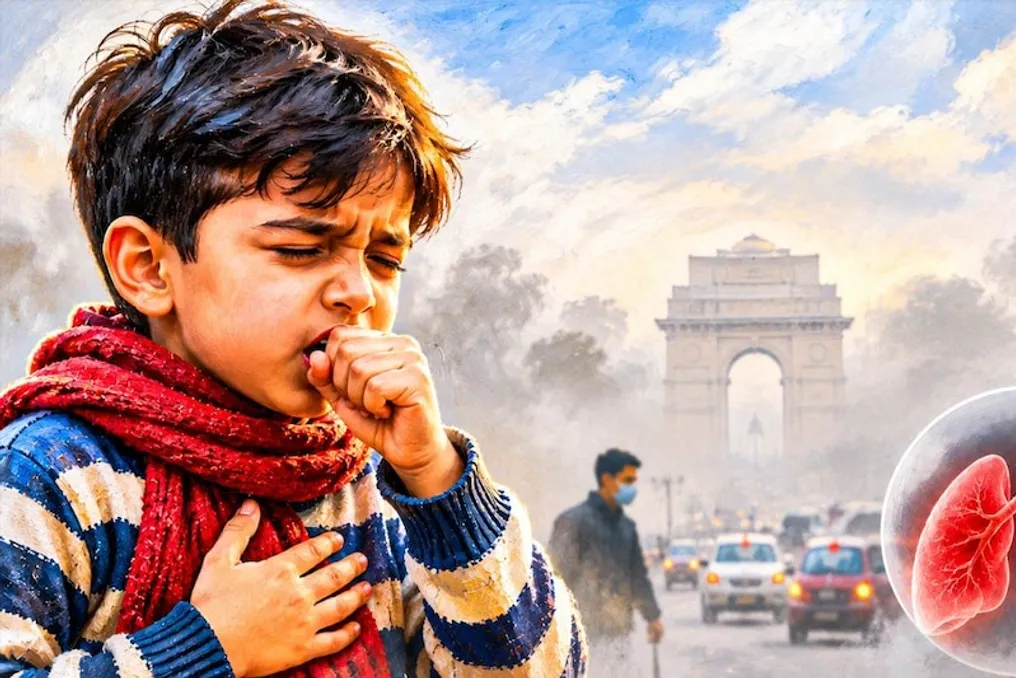
Exposure to toxic air in Delhi is beginning to negatively affect children's lungs, becoming a serious problem, especially for toddlers under the age of five. According to doctors, children in this age group are developing asthma due to pollution. Specialists note that this disease cannot be completely cured or eliminated; it can only be controlled.
Dr. GC Khilnani, head of the pulmonology and sleep medicine department at PSRI hospital in Delhi and former AMS Delhi chief, explained the mechanism of asthma development due to pollution. He explained that during the first five years of life, a child's lungs are still developing. However, PM2.5 and PM10 particles present in polluted air enter the lungs through breathing, causing significant damage. If a child already has allergies or asthma problems, symptoms may worsen.
Dr. GC Khilnani reported that in his outpatient practice, one in every three children under five suffers from asthma, and the main cause is pollution. A study published in the journal Lung India compared the respiratory system status of children from Delhi, Kottayam, and Mysore. In Delhi, children showed more complaints of coughing, shortness of breath, and chest tightness.
According to the World Health Organization (WHO), atmospheric pollution increases the risk of asthma development in children. Substances present in polluted air cause irritation and inflammation in the airways, which can lead to coughing, wheezing, and difficulty breathing in children. If these symptoms are not controlled in a timely manner, they can develop into asthma. It is important to remember that this disease can only be managed.
Parents should pay attention to the following signs: frequent coughing, increased coughing at night, whistling sounds when inhaling, and rapid shortness of breath during play.
To minimize exposure to pollution, it is recommended not to take children outside during periods of severe pollution. It is also advisable to reduce the use of bidis and cigarette smoke, as well as aromatic incense indoors. It is necessary to maintain cleanliness in the dwelling, preventing dust accumulation. If a child develops persistent coughing or breathing problems, they should consult a doctor.