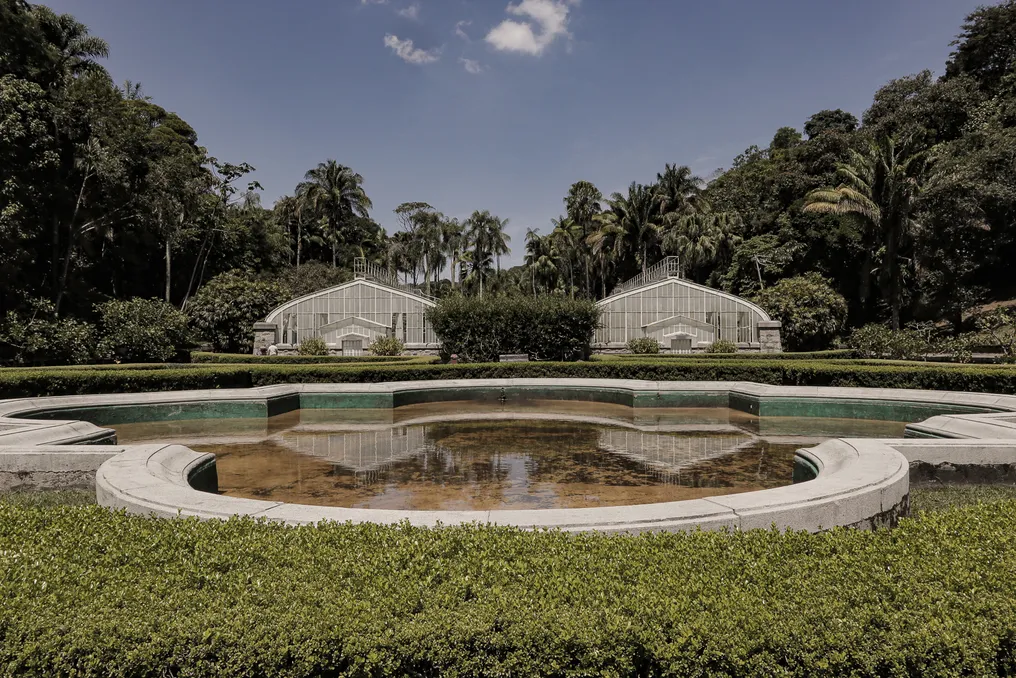
South African botanical gardens provide families with an opportunity to replace gadgets with walks along shaded paths, playgrounds, picnic lawns, and small discoveries in the natural world.
These gardens are not just beautifully landscaped spaces filled with plants; they can become a place where children run along winding paths, watch birds, discover unfamiliar flowers, play outdoors, and learn about nature as if it were an adventure rather than a lesson.
From specialized children's play gardens in Pretoria to the historic green spaces of Claremont and waterfall trails in Mpumalanga—these green areas give families a chance to spend time together outdoors. Whether you are planning a picnic, a leisurely stroll, or a day of exploration, below are botanical gardens worth adding to your family outing list.
In Claremont, along Main Road, is Adderley Gardens—a historic green space offering a quieter alternative to some of Cape Town's well-known outdoor recreation spots. This five-hectare garden features an impressive collection of trees and shrubs, shaded avenues, water features, and lawns where families can slow down and enjoy a day in the fresh air.
Children can explore the garden's winding paths, look for birds and other inhabitants, and admire large trees, including the famous Moreton Bay fig. Japanese ponds and shady groves create many opportunities for curious youngsters to discover something new.
Adderley Gardens has long been a favorite meeting spot for local families, and its moderate size makes it an attractive option for a relaxed walk without the need for a long hike. It has benches, public toilets, and pedestrian paths, and its central location in Claremont allows for easy combination with other activities in the Southern suburbs.
Entry is free. The garden is located at 222 Main Road, Claremont. Opening hours vary depending on the season.
For families seeking outdoor recreation in Cape Town that isn't necessarily tied to the city's main tourist attractions, Western Gardens in Mitchells Plain deserve attention. Spanning 14 hectares, this garden includes Cape local flora, winding paths, open lawns, and a playground equipped for children with disabilities. The park also has a skate ramp, making it a popular spot for local children and youth.
Families can have a picnic on the lawns, walk the paths, or spend time studying the garden's vegetation. The playgrounds are particularly appealing to families with young children who need more than just a quiet walk to be entertained.
Western Gardens also hosts community events and family entertainment programs throughout the year, contributing to its role as a neighborhood gathering place, not just a place to admire plants. The garden is located on Morgenster Road in Mitchells Plain and is equipped with parking, public toilets, paths, and grassy areas suitable for picnics.
Kirstenbosch National Botanical Garden remains one of Cape Town's most famous attractions, but families can visit it in a way that makes the garden especially appealing to children. Instead of just wandering between plant collections, visitors can turn the trip into an exploration of the garden's various landscapes. Expansive lawns are perfect for a picnic or a game of tag, and the garden paths offer opportunities to observe birds, insects, and local plants.
One of the garden's most memorable features is the Boomslang suspension bridge, which carries visitors through the tree canopy and offers views of the garden and surrounding mountains. Children who love being outdoors will also appreciate the garden's varied terrain and the ability to explore at their own pace.
Kirstenbosch is a good option for families who want to combine a peaceful day in nature with small discoveries. Bring a picnic, comfortable walking shoes, and enough time to explore without rushing from one attraction to another.
Located between the mountains and the coast in Betty's Bay, Harold Porter National Botanical Garden offers families a chance to explore the diverse landscapes of the Cape Fynbos region. The garden paths wind through fynbos, forest, and streams, with the mountain scenery providing a dramatic backdrop. Children can observe birds, insects, and interesting plant species while exploring the quieter trails.
For families who enjoy small adventures, the garden also has trails leading to waterfalls and gorges. Not all trails are suitable for very young children, so choosing a shorter route and checking trail conditions before visiting will make the experience more enjoyable. Harold Porter is particularly appealing to families looking to introduce children to the local flora and biodiversity of South Africa without venturing into remote wilderness.
The Pretoria National Botanical Garden has a particularly compelling reason for families to visit: its Children's Educational and Recreational Garden, which combines play elements with opportunities for learning and development through outdoor activities. The play area includes swings, slides, a climbing wall, labyrinths, and puzzles. It also incorporates local games such as morabaraba and diketo, introducing children to traditional games while encouraging movement, problem-solving, and interaction.
The space, designed with toddlers and young children in mind, makes learning through play part of the experience. The wider landscape of the garden also offers families walking trails, picnic spots, and opportunities to enjoy the surrounding nature. Parents can make it a whole day out, allowing children time in the special play area before exploring the garden or having a picnic on the lawns.
The Children's Educational and Recreational Garden opened in December 2024. The Department of Forestry, Fisheries and the Environment also notes the presence of adjacent picnic lawns and other visitor amenities. Visitors should check the current entrance fee before visiting.
Walter Sisulu National Botanical Garden gives families a chance to experience diverse natural landscapes without traveling far from Johannesburg. The garden is known for its impressive waterfall, picturesque walking routes, local vegetation, and birds. Children can spend time watching birds, exploring different parts of the garden, and enjoying the open spaces while parents take in the scenery.
The garden's walking trails vary in length and character, allowing families to choose a more leisurely stroll or a longer journey depending on their children's age and energy levels. The waterfall is a particularly memorable feature and serves as a natural focal point for a family visit. With picnic areas and numerous places to explore, Walter Sisulu is a good option for families wanting to spend a day in nature.
The Durban Botanical Gardens are one of the city's long-standing green spaces and offer a family outing that combines botanical discovery with outdoor relaxation. The established trees, lawns, and plant collections provide plenty of room for children to explore, while its orchid collection and other specialized exhibits offer opportunities to introduce young visitors to the diversity of the plant world. Families can stroll through the garden, observe the surrounding landscape, or have a picnic. The garden's tranquil atmosphere offers a pleasant break from Durban's busier city attractions. The combination of open spaces, botanical exhibits, and established paths makes it a suitable choice for families seeking a relatively calm outdoor retreat.
The Lowveld National Botanical Garden offers a different kind of botanical experience, shaped by the Crocodile and Nelson rivers and the subtropical vegetation of Mpumalanga. The garden's landscape includes waterfalls, river viewpoints, walking trails, and an aerial walkway through the forest vegetation. Families can explore different sections of the garden, learning about the local flora and biodiversity. Exploring children will appreciate the changing landscapes, bridges, and viewpoints. The garden also features a children's playground and environmental education initiatives, making it an option for families who want to combine outdoor fun with learning. The Cascades and Nelson viewpoints offer views of the waterfalls formed by the rivers running through the garden. An updated pedestrian bridge and a new viewpoint opened in 2025 further enhance the visitor experience. The garden has a children's playground, an environmental education program, and amenities such as a refreshment kiosk and a restaurant.
Families visiting Pietermaritzburg can explore the KwaZulu-Natal National Botanical Garden, a green space showcasing the region's native plants and vegetation. The botanical gardens can allow children to slow down and interact with the environment, whether by watching birds, noticing different leaf and flower shapes, or exploring the garden trails with a nature scavenger hunt. This garden is worth considering for families who prefer a quieter outdoor retreat and wish to introduce children to local vegetation. Before visiting, check the latest information regarding garden facilities, events, and accessibility.
Visiting the Karoo Desert National Botanical Garden gives families a chance to discover the amazing variety of plants adapted to South Africa's drier landscapes. Located at the foot of the Hex River Mountains near Worcester, the garden showcases plants from arid and semi-arid regions, including an extensive collection of succulents. The landscape contrasts with the lush gardens and forests found elsewhere in the country, making it an interesting outing for children curious about how plants survive in different conditions.
Families can explore the garden's walking trails and observe the forms, textures, and adaptations of plants along the way. A simple treasure hunt, such as finding plants with unusual leaves, identifying different succulents, or observing pollinator signs, can make the visit more engaging for young children. The garden also offers walking routes, though families with small children should choose suitable trails and check conditions before heading out. The garden is open daily, and children under six currently have free entry according to SANBI information. Check fees and operating information before visiting.
A visit to the botanical garden doesn't have to be a formal walk or a plant identification lesson. With a little imagination, families can turn the visit into an adventure. Ask children to find a feather, a leaf with an unusual shape, a flower, a bird, a seed, or a tree with interesting bark. Avoid picking plants or disturbing wildlife. Younger children might want to stop at every insect, puddle, or flower. Allowing time for these discoveries can make the garden visit more rewarding than trying to cover every trail.
Many botanical gardens have lawns or picnic areas where families can rest between explorations. Remember to dispose of trash responsibly and familiarize yourself with the garden's rules regarding food, pets, and picnic areas.
South African botanical gardens give families a chance to reconnect with nature, introducing children to the country's wonderful plant diversity. From playgrounds and picnic lawns to waterfalls, forest trails, and tall trees—there is much to explore, and sometimes the best family adventures are found in the quietest green corners.