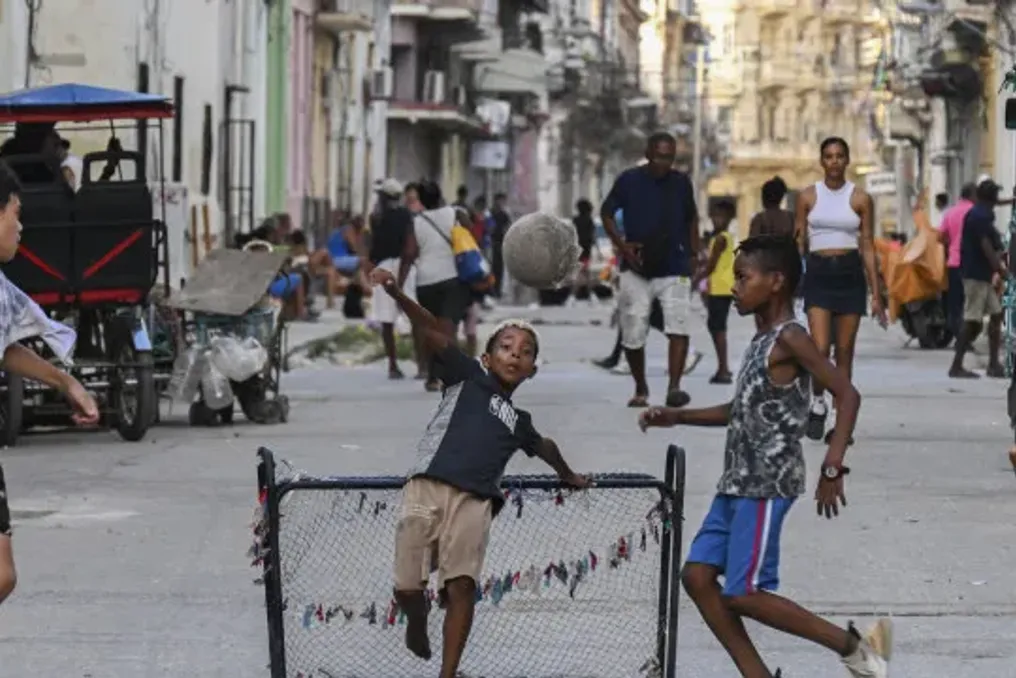
UNESCO warns that lack of investment in early childhood represents 3% of global GDP
Read more
Noticias ao Minuto
noticiasaominuto.com

UNESCO warns that lack of investment in early childhood represents 3% of global GDP

According to a report released by UNESCO, the absence of investment in early childhood education and care is equivalent to 3% of the world's Gross Domestic Product (GDP), potentially rising to 7% in countries with lower economic development.

In observance of the International Day of the Convention on the Rights of the Child, the United Nations Educational, Scientific and Cultural Organization (UNESCO) emphasizes that investments must begin from the earliest years of life. The organization estimates that an additional $141 billion will be needed by 2030 to ensure that all children globally have access to at least one year of preschool education.

This Global Report on Early Childhood Education and Care was developed in collaboration between UNESCO, UNICEF, and the Organisation for Economic Co-operation and Development (OECD).

One of the critical points highlighted is the global stagnation in preschool enrollment over the last decade. Currently, only six out of ten children entering primary school have had at least one year of prior instruction.

Regionally, Latin America and the Caribbean show a net preschool enrollment rate above 90%, comparable to the rates observed in Europe and North America. In contrast, 2024 data indicates that this percentage is around 50% in North Africa, Sub-Saharan Africa, and West Asia.

UNESCO also warns that disparities in child development begin long before schooling starts. Globally, only 64% of children aged 24 to 59 months achieve expected developmental levels for their age group, particularly in learning skills. In Sub-Saharan Africa, this figure drops to 53%.

The report calls on governments to implement stable, multi-year funding, increase resource allocation for children under three years old, and prioritize children from vulnerable families.

Additionally, the document advocates for reducing the financial burden on families and improving both the training and working conditions of educators. The study's projections indicate that the world will need approximately six million extra professionals in early childhood education by 2030.
Similar stories

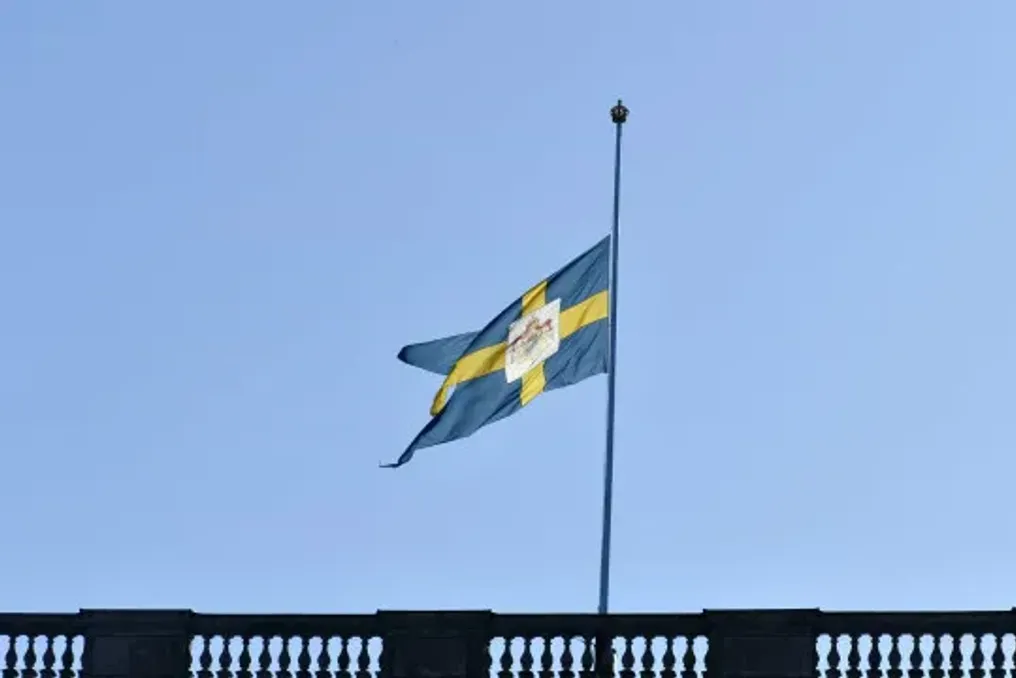
Sweden allocates 3.2 million euros to support children and youth in Palma, Mozambique
Read more
noticiasaominuto.com

Sweden allocates 3.2 million euros to support children and youth in Palma, Mozambique

Sweden has announced the allocation of 3.2 million euros to assist children and youth affected by armed conflict in the Palma region of northern Mozambique. These funds are designated for implementing activities in the areas of education, child protection, and school feeding.

The financing is aimed at the second phase of the joint program between the World Food Programme (WFP) and the United Nations Children's Fund (UNICEF). The program aims to respond to the needs of communities affected by armed attacks in the Cabo Delgado district since 2017.

The Swedish Ambassador to Mozambique, Andres Hato, stated that the initiative is intended to improve the living conditions of families. He emphasized that through this humanitarian program, Sweden contributes approximately $3.6 million (3.2 million euros) to support a comprehensive approach that puts children and youth at the center of attention.

The first phase of the program supported over 7,500 children and youth in areas of education, child protection, food security, and livelihoods.

Edna Possolo, responsible for nutrition, school feeding, and resilience within WFP in Mozambique, noted that the nutrition component is designed to encourage the return and retention of children in schools, as the conflict disrupted access to education, while also improving nutrition and learning conditions.

According to her, school feeding is planned to start in February, coinciding with the beginning of the academic year. Preparatory work begins in January and includes resuming local partnerships, officially coordinating agreements with governmental and non-governmental institutions, and developing work plans jointly with communities.

This second phase also includes temporary cash transfers for vulnerable families, accompanied by training and support in creating income sources to strengthen households' ability to ensure their own survival. According to Edna Possolo, payments will be made over five to six months.

The new stage of the program will cover an additional 1,200 children, adolescents, and youth through capacity building and financial inclusion activities, support 800 agricultural producers, and engage one thousand young people in income-generating activities. School feeding is expected to cover 10,000 children during the 2027 academic year.

The first phase, which ran from 2024 to 2026, received funding of approximately $8.6 million (7.8 million euros) and helped over 7,500 children and youth. The second stage aims to continue previous interventions and expand support to conflict-affected communities.

Mari Louise Egerton, UNICEF representative in Mozambique, stressed that collaboration allows for the integration of food assistance and livelihood support from WFP with UNICEF's interventions in education, child protection, and skills development for adolescents and youth.

Egerton stated that progress for children never happens by chance, advocating for the necessity of continued investment in child protection, especially in conflict settings, to guarantee their opportunity to learn, develop, and contribute to the recovery of their communities.

Overall, the program aims to promote the recovery of Palma communities by combining humanitarian aid, education, child protection, and economic opportunities, while children and youth continue to be exposed to the consequences of the conflict, including interruptions in schooling, family separation, violence, and the risk of recruitment by armed groups.

Number of unaccompanied minors on the Canary Islands has risen to 3,000 people
Read more
noticiasaominuto.com

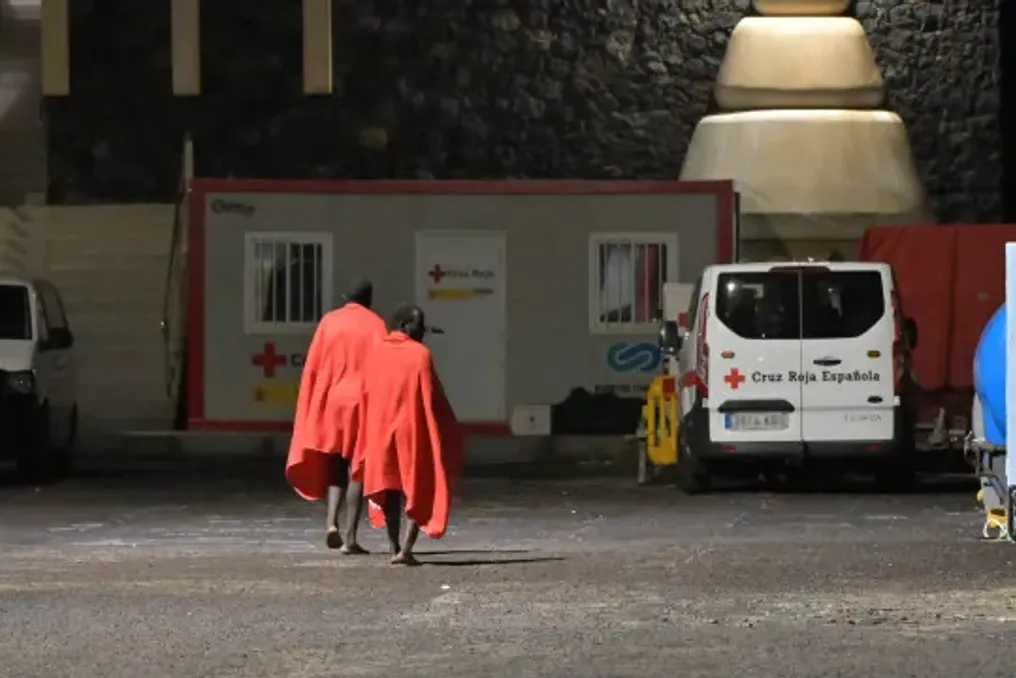
Number of unaccompanied minors on the Canary Islands has risen to 3,000 people

The Director-General of Spain's Service for Child and Family Protection reported that the number of unaccompanied migrant children under the care of the Canary Islands government has increased from 2,300 to over 3,000 in the last 15 days.

Furthermore, Sandra Rodriguez noted during a visit to La Restinga, a village at the southernmost tip of El Hierro, where many rescued migrants arrive by sea, that the children reaching the archipelago are becoming 'younger'.

According to her, sometimes during initial screening, children who appear much younger are assigned the age of 16. This prompted the General Directorate to appeal to the Prosecutor's Office to review the registered ages in these descriptions so that when children are transferred to other autonomous communities, they can be sent to shelters and receive proper care.

The official also announced the reopening of a large center in La Laguna (Tenerife) to receive children and adolescents arriving mainly in El Hierro, where 248 minors are already housed.

The Canary Islands, and especially El Hierro, are experiencing pressure due to the number of arriving migrants; the regional government has counted at least 6,000 people since November 1st.

The situation has led to the declaration of a 'migration emergency' in the Canary Islands, particularly on the island of El Hierro. The President of the regional government, Fernando Clavijo, advocated for an urgent strengthening of sanitary response for migrants, including the creation of a field hospital.

El Hierro is the smallest inhabited island in the Canary Islands, with a population of about 12,000, and it is the island where most fragile vessels ('pateras' or 'cayucos') carrying migrants arrive.

The increase in arrivals forced the Canary Islands government to reopen centers in Tenerife that had been closed since the summer, explained Sandra Rodriguez. The General Directorate added that in addition to initial placement, its department will reorganize spaces on different islands to distribute housing based on age, gender, and possible doubts about the children's age.

In El Hierro, where the Canary Islands government's emergency services have placed 300 minors, local authorities have provided two more shelters in case arrivals overload the island's resources. In her opinion, in such cases, entry into the system should occur after age determination tests are conducted.

The so-called Atlantic migration route, which starts from Morocco and Western Sahara via the shortest path, as well as from Mauritania, Senegal, Gambia, and Mali via longer crossings, is considered one of the most dangerous in the world, as crossings can last several days or even weeks at sea.

Despite a decrease in crossings towards the Canary Islands over the past two years, mortality on this route has increased due to the opening of longer and more dangerous routes (such as those departing from Guinea-Conakry or Gambia).

The flow of vessels on this route usually increases in autumn—a phenomenon known locally as the 'cayuco crisis'—mainly because of the typical wind lull in this area during that period, which makes the sea easier to navigate.

According to UN estimates, 17,788 irregular migrants arrived in the Spanish islands in 2025 aboard 263 vessels. The UN also documented the death or disappearance of at least 416 people at sea, while the NGO Caminando Fronteras points to 1,906 deaths on this route already in 2026.

Popular