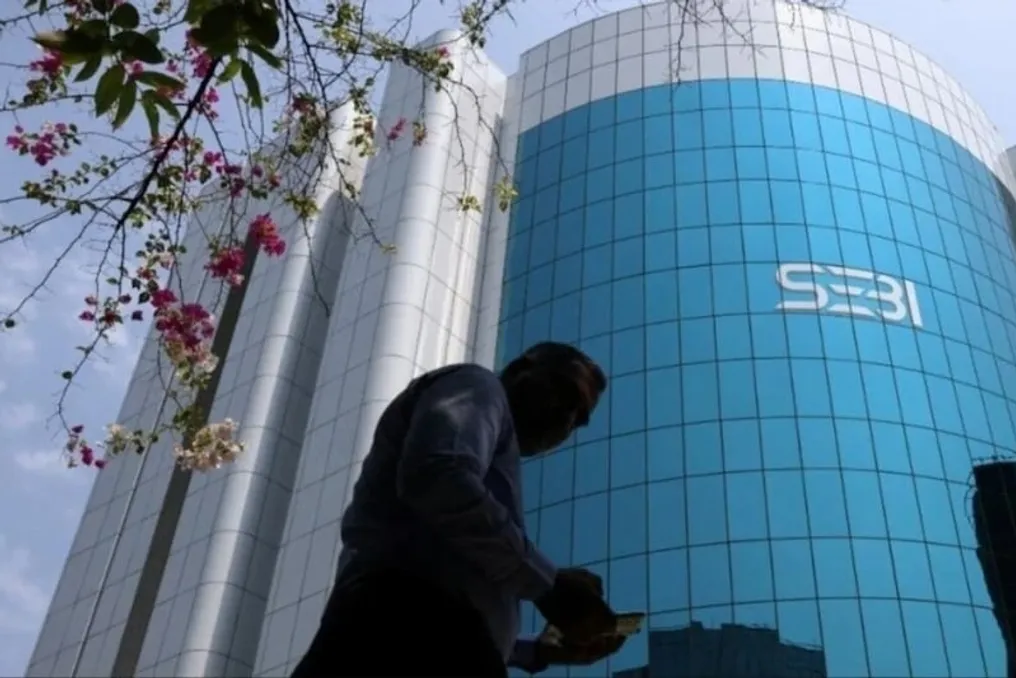
Sebi is studying the development of a domestic artificial intelligence model to reduce regulatory tool costs
Read more
Business Standard
business-standard.com

Sebi is studying the development of a domestic artificial intelligence model to reduce regulatory tool costs

The Securities and Exchange Board of India (Sebi) is considering the creation of an in-house artificial intelligence (AI) model for the securities market. This was announced by Chairman Tuhin Kanta Pandey on Friday, noting that this initiative will be implemented in collaboration with market participants.

The committee is currently analyzing the potential risks and opportunities associated with AI, as well as exploring the feasibility of creating such a model through Digital Public Infrastructure (DPI). Pandey stated at the CII DFS Funding Summit that the goal is to develop a domestic AI model for the securities market that makes AI-based regulatory tools safe, accessible, and affordable, especially for smaller regulated entities.

He specified that the project is in its initial stages, and the committee is engaging with various market participants to assess the possibility of joint and collective development of this model. Furthermore, this study will determine the necessity of establishing appropriate restrictive measures to minimize AI-related risks, including hallucinations, while ensuring broader adoption of the technology.

The proposed model is part of Sebi's broader efforts to leverage technology to enhance the quality of regulation. The regulator has already expanded the use of AI-based tools for monitoring intermediary advertising and analyzing compliance reports.

Separately, Sebi, in collaboration with the Reserve Bank of India (RBI), is working to simplify the registration process for Foreign Portfolio Investors (FPIs). Pandey reported that the regulator may issue a consultation paper with proposals for further streamlining the operational structure, including the removal of certain restrictions not present in other jurisdictions.

A joint working group of Sebi and RBI will also begin work on a unified application form to optimize the registration process. Sebi's objective is to reduce the FPI registration time to five business days, while some investors from trusted jurisdictions are already registered within this timeframe.

Pandey noted that Sebi has already digitized several processes, accepted digital signature mandates, and collaborated with the RBI to improve procedures, but sees even more opportunities for simplification. It was also reported that KYC verification cycles for relevant FPIs will be extended from December 1st.

Additionally, foreign nationals, Non-Resident Indians (NRIs), and Indian citizens residing abroad will be able to complete KYC and re-KYC procedures without needing to visit India.

Moreover, Sebi, along with the RBI, the Ministry of Finance, and market participants, is working on creating a market formation mechanism to improve liquidity in the secondary corporate bond market. Concurrently, Sebi is reviewing the IPO framework for Small and Medium Enterprises (SMEs) and the Innovators Growth Platform to address existing gaps and facilitate access to capital. The regulator aims to promote around 2000 additional issuances from the SME segment in the coming years.

Finally, Sebi is also examining the structure of disclosure requirements and listing obligations to eliminate duplication of disclosures by listed companies. A single penalty mechanism is planned to prevent multiple stock exchanges from imposing penalties for the same instance of non-compliance.


Similar stories

SBI Head Warns of Systemic Failure Risks in Financial Institutions Due to AI Errors
Read more
business-standard.com

SBI Head Warns of Systemic Failure Risks in Financial Institutions Due to AI Errors

Errors related to artificial intelligence (AI) can trigger cascading failures in interconnected systems, creating serious governance challenges for financial organizations. C. S. Sethi, Chairman of the State Bank of India (SBI), stated on Thursday that to prevent systemic risks, banks must strengthen AI governance by establishing clear permissions, transaction limits, audit trails, and human oversight mechanisms, as banks increasingly adopt autonomous systems.

Sethi noted that while AI capabilities provide significant productivity gains, they also generate new governance risks. He emphasized that institutions must have a very clear understanding of what actions an autonomous system is authorized to perform, what information it can access, what decisions it can make, and when human intervention is required.

Key Responsibilities of Boards of Directors

In this context, Sethi highlighted the key responsibilities of boards of directors, including ensuring that the adoption of artificial intelligence is driven by the organization's goals rather than merely a technological impulse. According to him, technologies should solve real business problems, whether improving customer experience, strengthening risk management, or expanding access to financial services.

He added that implementation should not become an end in itself, which is particularly important in a diverse country like India. Sethi cautioned that AI should not unintentionally exclude rural borrowers, small businesses, or individuals without traditional credit histories, insisting that financial inclusion must remain a central element in the development and application of this technology.

Regarding governance frameworks, Sethi reported that SBI became the first bank in the banking system to adopt a responsible AI policy defining the principles, boundaries, and accountability for using this technology within the organization.

He advised bank directors to develop competencies in model risk assessment, data governance, cybersecurity, and algorithmic bias, while understanding the limitations of AI. Sethi compared this to annual cybersecurity drills expected from every board of directors and suggested integrating AI training into this process, emphasizing that directors must understand AI risks, even if they do not need to know how to implement it.

Sethi also mentioned the Reserve Bank of India's policy on AI, according to which ultimate responsibility for AI governance lies with the board of directors. However, he noted that AI can enhance board efficiency by identifying emerging risks, simplifying complex information, and supporting more informed decision-making, allowing directors to focus more on strategy and long-term priorities.

The Need to Maintain Human Accountability

Stressing the importance of maintaining human accountability, Sethi stated that while AI can recommend or execute actions, the final responsibility for institutional decisions must always rest with the board of directors. He pointed to the serious governance issues an institution will face if it cannot adequately explain why an AI-based process denied a loan, flagged a transaction, or initiated any action, thereby underscoring the importance of explainability, traceability, and independent verification.

He added that AI is most effective in situations where parameters can be defined, relevant data is available, and outcomes can be assessed. However, during crises, unexpected changes in the operating environment, or strategic decisions involving unfamiliar circumstances, the collective experience and independent judgment of the board remain indispensable.

Sethi concluded that the pace of AI adoption must match the institution's capacity to manage this technology, especially when decisions have significant financial, legal, ethical, or reputational consequences. He noted that corporate governance faces particular strain when the speed of technological change outpaces existing regulatory frameworks. Therefore, boards of directors must ensure that innovation proceeds without compromising the integrity of the institution and public trust.

He stressed that AI should complement, not replace, the judgments and oversight of the board of directors, enhancing their ability to fulfill their duties while keeping responsibility where it belongs. The head of the country's largest lender mentioned that his bank has used artificial intelligence and machine learning, particularly for managing fraud and operational risks. Initiatives include a patented AI and machine learning model that identifies branches that are outliers in terms of fraud management. This model assesses about 23,000 branches, classifying them into very high, high, medium, and low-risk categories. This assessment helps the bank prioritize branch audits.

Nevertheless, Sethi reported that the focus is now shifting from individual AI use cases to enterprise-wide adoption, where governance becomes particularly crucial for large institutions. He defined fairness, reliability, explainability, security, and accountability as critical elements of AI governance. He also noted that model bias is not just a theoretical problem for a bank like SBI, which serves a highly diversified client base, and that 'fairness and preventing model bias are extremely important from a governance perspective.'

Sebi Regulator to Issue Guidelines for AI Use in Capital Markets to Protect Investors
Read more
yourstory.com

Sebi Regulator to Issue Guidelines for AI Use in Capital Markets to Protect Investors

Sebi Chairman Tuhin Kanta Pandey stated that the market regulator will soon publish detailed rules regarding the responsible application of artificial intelligence (AI) in capital markets. He emphasized the need to strike a balance between technological innovation and protecting investor interests.

According to the head of Sebi, the proposed directives will focus on establishing appropriate safeguards for the use of AI. These measures include disclosure requirements, defining accountability for regulated entities, and implementing a human-in-the-loop approach to decision-making processes to ensure human oversight over critical decisions.

In June 2025, Sebi (Securities and Exchange Board of India) released a draft consultative document outlining the fundamental principles for the responsible use of machine learning (ML) and artificial intelligence (AI) applications and models in securities markets.

These guidelines aim to optimize the benefits and minimize potential risks associated with integrating AI/ML-based applications into securities markets, thereby ensuring investor protection, market integrity, and financial stability.

Speaking at the opening of the Sebi pavilion at the 45th India International Trade Fair 2026, organized by the India Promotion Council for Trade, Pandey noted that the regulator is continuously strengthening its cybersecurity system to counter growing cyber threats.

He highlighted increasing concerns regarding cyberattacks targeting financial institutions and cryptocurrency platforms, as well as social media influencer-related digital fraud.

In response to these threats, the regulator introduced a structured incident response mechanism in May of this year, which aligns with the reporting template of the Financial Stability Board (FSB).

Regarding quantum computing risks, the Chairman reported that Sebi is inventorying cryptographic systems and identifying areas where cryptography is used to assess potential vulnerabilities. He stressed that global markets are preparing for the risks posed by quantum computing and expects concerns to become more pronounced around 2032–2035, insisting on the necessity of completing preparations in advance.

Concerning AI adoption, Pandey added that Sebi has developed several supervisory tools, including the 'Sudarshan' tool, which is being demonstrated at international regulatory forums. The regulator is also working to enhance its AI capabilities through international initiatives and sets of supervisory tools.

Furthermore, the Chairman stated that Sebi is reviewing its regulatory framework to ensure that the use of AI by market participants does not jeopardize investor protection, market safety, or integrity.

On matters concerning startups and the listing system, the Sebi chief also announced that the regulator has formed a working group to study ways to enhance the attractiveness of the Innovators Growth Platform (IGP) for startups, especially those in deep technology and biotechnology sectors that require a long period before achieving profitability.

He noted that the existing platform has not reached the desired level of engagement, and the regulator is considering possible changes to help such companies reach public markets earlier. The goal is to provide investors clarity regarding the higher risks associated with such ventures while simultaneously enabling participation in their long-term growth potential. However, he declined to share details regarding budget discussions.

SEBI Implements New Settlement Framework; Know Detailed Information on New Rules
Read more
www.aajtak.in

SEBI Implements New Settlement Framework; Know Detailed Information on New Rules

The Securities and Exchange Board of India (SEBI) has implemented a new settlement framework effective from November 7, 2026. This new framework will allow eligible individuals and entities to resolve specific regulatory actions through a structured system. These revised rules include provisions for online applications, a settlement amount calculator, and expedited settlement in certain cases.

SEBI had issued the notification of this change on October 8. This new regulation, called the 'Settlement Regulation for Administrative and Civil Proceedings 2026', will replace the existing 2018 settlement framework, incorporating transitional and savings provisions.

To simplify the application process, SEBI has launched an online settlement application facility, a settlement amount calculator, Frequently Asked Questions (FAQs), and a dedicated help desk. The regulator has also released an explanatory video to help applicants understand how the settlement amount is calculated.

According to SEBI, eligible persons can apply for settlement under the Settlement Regulation, 2026. Under this framework, eligible applicants can request the settlement of determined actions in various stages, provided they meet the prescribed conditions.

As per the rules, the non-refundable application fee is set at ₹25,000 for general citizens, while it is ₹35,000 for other applicants. The minimum settlement amount is set at ₹3 lakh for first-time applicants and ₹7 lakh for other applicants.

However, the final amount will depend on several factors, including the original amount, the stage of the action, the nature and severity of the alleged violation, the regulatory action, and mitigating or aggravating circumstances. Applications related to proceedings pending before SEBI must generally be submitted within 120 days of receiving a show cause notice or supplementary show cause notice, but this timeline does not apply to special actions pending before the Securities Appellate Tribunal or the Supreme Court.

The new rules introduce violation-based and monetary limit-based fast-track settlement procedures. Under the monetary limit mechanism, applications with a settlement amount up to ₹10 lakh can qualify for expedited processing without any waiver, remedial measures, or additional regulatory conditions.

Some serious violations are excluded from the settlement framework. These include cases involving willfully defaulting debtors, fraudulent debtors, and absconding economic offenders. Based on the regulations, actions that threaten market-wide outcomes, significant investor losses, or market integrity may also be excluded.

Additionally, this rule allows settlement with confidentiality benefits for applicants who provide assistance in investigations or audits under certain conditions. The settlement application will be reviewed by an internal committee and a high-powered advisory committee, which will recommend appropriate terms. Subsequently, a panel of full-time members of SEBI will decide whether to accept or reject the application. The objective of this changed framework is to maintain safeguards against serious violations in the securities market while simplifying regulatory settlements.

Popular