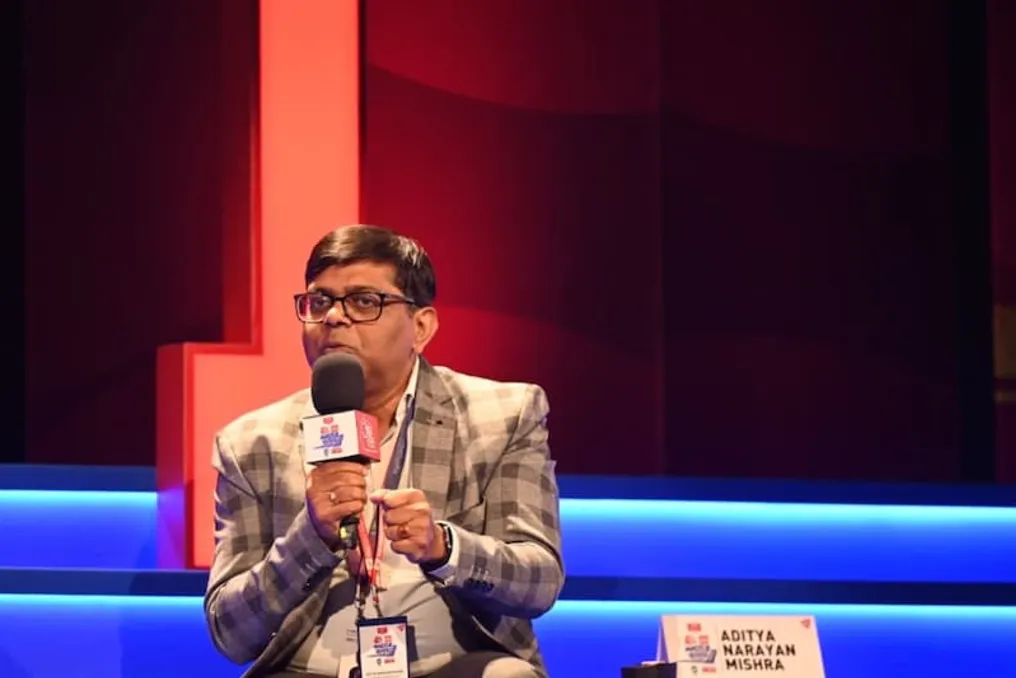
During the 'What does the company want from you?' session as part of the Aajtak Masterclass, Aditya Narayan Mishra, Managing Director and CEO of CIEL HR, gave a direct answer regarding the state of the job market. He noted that vacancies exist and appear daily, but the main problem is that many candidates lack the skills that companies are looking for.
During the session, he discussed various aspects in detail, including his career experience, current hiring trends, the impact of artificial intelligence (AI), and youth expectations.
Aditya Narayan Mishra explained that during interviews, it often becomes clear that candidates lack the necessary skills required by the company. Furthermore, there is a gap between the expectations of young people and the working conditions offered by companies.
He added that many young people prefer to work in air-conditioned offices and avoid fields such as field sales, manufacturing, or construction. In his opinion, personal preferences are not a mistake, but if a large number of people avoid these sectors, the gap between supply and demand will persist, while the economy and production cannot develop without basic industries.
Sharing his experience, he recounted starting his career as an engineering intern at L&T and working there for seven years. The experience gained in various areas such as sales, quality, project management, and engineering strengthened his ability for logical thinking and problem-solving.
Recalling his decision to transition to human capital in 1999, he mentioned that friends considered this move risky. However, his engineering background helped him conduct thorough vetting of technical roles for projects like Haldia Petrochemical. He emphasized that the key to advancement lies in the habit of connecting the experience gained at work ('connecting the dots').
Aditya Narayan Mishra openly discussed memes related to HR on social media, such as the situation where no response comes after the phrase 'I will get back to you,' or the stress of hiring. He acknowledged that the situation where the promise to 'get back' remains unfulfilled occurs in real life, but in his company, he insists on professional honesty: what is said must be delivered.
Regarding the work of the HR team, he stated that they face pressure from both sides: management demands cost reduction, increased productivity, and talent retention, while employees desire better salaries and less pressure. Finding a balance between these two sides is a serious challenge for HR.
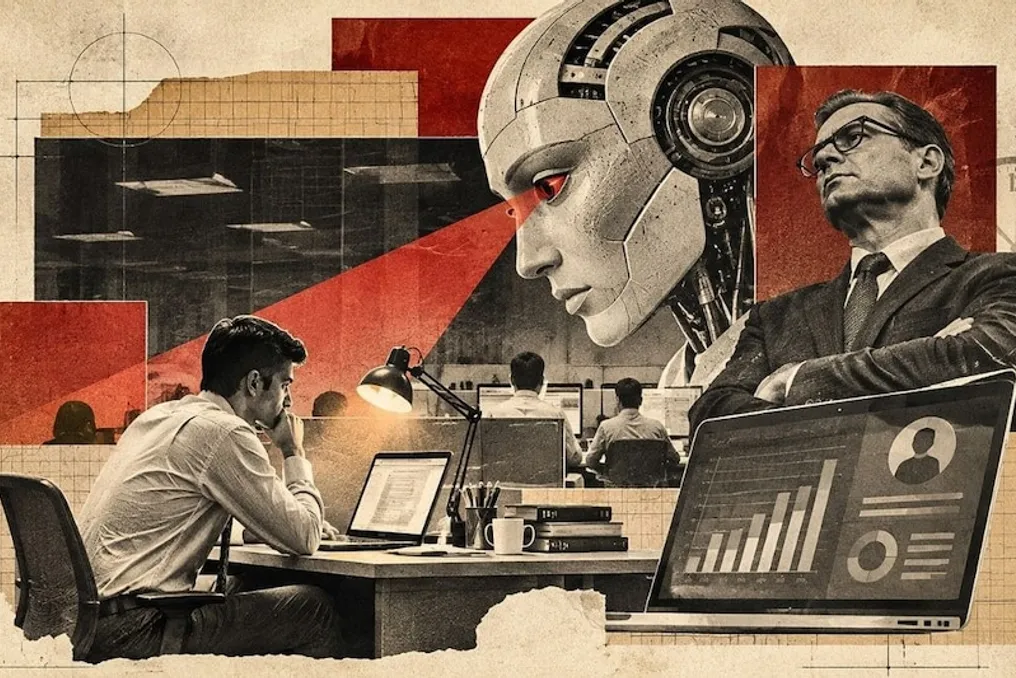
Discussing misconceptions about the labor market, he stated that the biggest myth is that everything will disappear after the advent of AI, and the future will be bleak. Citing examples of periods such as the Industrial Revolution, the internet, and COVID, he noted that new jobs and new roles emerge alongside technological changes.
According to him, positions such as AI engineer, machine learning specialist, and AI tool users have emerged today. Instead of fearing change, one must adapt and acquire new skills.
Advising college graduates, he said that while academic questions are based on the curriculum, in real life, one faces challenges that go beyond the predefined scenario. Therefore, newcomers should 'cancel' the belief that there is a ready-made template answer for every problem.
He clearly identified the biggest 'red flag' on a resume: false or exaggerated information in the biography is quickly discovered and destroys trust. Besides education and experience, he named three crucial qualities that make a candidate suitable for work: curiosity, the ability to identify and solve real problems, and a willingness to learn continuously.