Decorex Africa gathered leading specialists from South Africa in the fields of retail, decor, and event design to review ideas that will define the festive period in 2026, allowing each season to be unique. Modern holiday decor encourages the expression of personal style and the celebration of one's own stories, offering elements such as edible centerpieces, table floral arrangements that do not require a florist, unexpected color combinations, and the revival of family heirlooms.
For 2026, Decorex Africa brought together the opinions of trend forecasters and creative specialists from Woolworths Home, @home, Babylonstoren, and Poetry, as well as interior design studio Cocoon Lifestyle and experiential company Food, I Love You. Experts shared their vision on approaches to choosing colors, decorations, gifts, and other aspects, presenting a guide to the trends expected in stores, social media, and events this season.
The color palette is shifting from unconventional combinations towards botanical greens and earthy monochromes, providing an opportunity to work with home coziness and the mood of a celebration outside the framework of traditional holiday hues.
Creative Executive Johan Van Der Merwe from Poetry noted that the expanding range of furniture and home goods presented at Decorex Joburg links personal style with the home. He believes this individuality should also be transferred to color choices that will be relevant not only during the holiday period. 'Rich tomato reds combined with soft pinks, buttery yellows, olive greens, warm earth tones, and unexpected splashes of blue can feel just as appropriate in January as they do in December.'
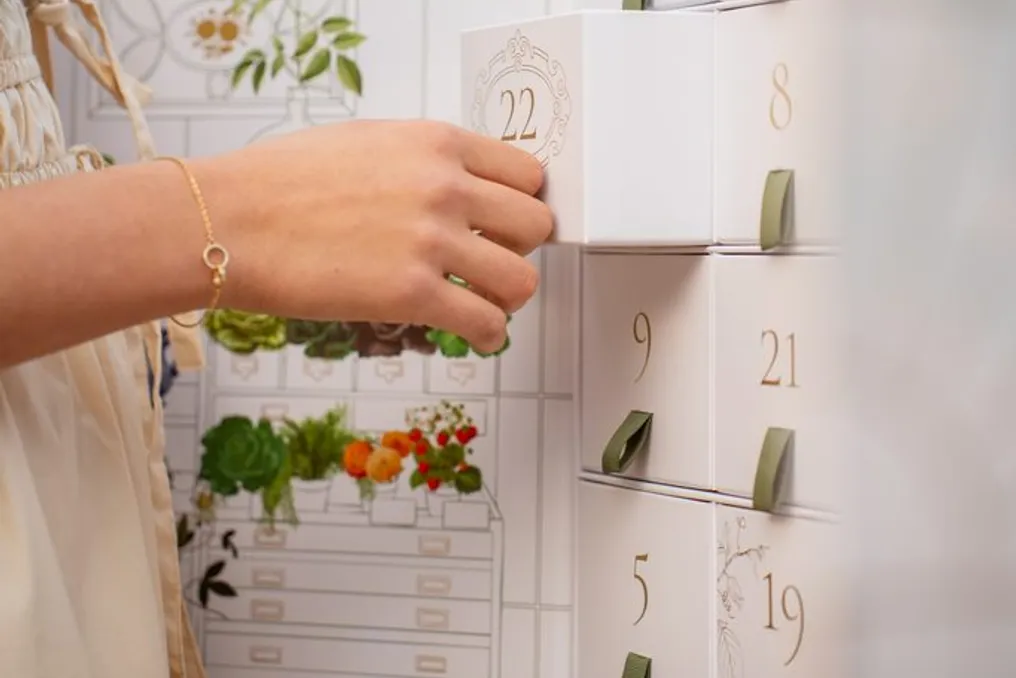
Babylonstoren's collection for 2026, titled 'A Garden of Gifts,' utilizes a botanical concept in embroidered tablecloths, garden-inspired spheres, and natural textures. New product development and procurement specialist Carisa Meaker explains the direction: 'The palette moves through shades of green, from soft olive to deeper leaf tones, complemented by fresh yellow-green and touches of muted gold.'
Mpho Phalane, founder of Food, I Love You, suggests creating a dramatic and sculptural table using a single tone. Her focus is on 'sensory immersion within a single palette, which prioritizes rough texture over chaotic color,' using deep ochre, terracotta, or charcoal colors to create an 'incredibly serene, cinematic mood.'
After traveling and participating in partnership exhibitions such as Salone del Mobile, Maison&Objet, and Paris Design Week, Creative Directors of Decorex Africa and 100% Design Africa, Garreth van Niekerk and Alan Hayward, see that expressive decor will evolve in the future. They draw attention to a more local approach to what the online retailer Etsy has called 'Craftmas' and 'Merrymaxxing,' as well as the 'Neo Deco' trend identified by Pinterest Predict for 2026, which reflects a global interest in handmade items, whimsical ornaments, and a refreshed Art Deco glamour.
Van Niekerk notes: 'The international interest in crafts brings a very important element to the holiday season this year, especially in South Africa. While the world seems unstable in many ways, handmade decoration, inherited textiles, or something made by a local artisan serves as a reminder of human labor and the people you value.'
Hayward adds: 'There is also theatricality present in these international directions. We like how designers create bold combinations of plaid patterns with stripes, colored glass next to chrome, large bows among slightly kitschy spheres, and play with unexpected combinations that give existing items a completely new energy.'
All these ideas open up space for various types of celebrations: expressive color from Poetry, garden inspiration from Babylonstoren, edible compositions from Food, I Love You, artistic pieces from Cocoon Lifestyle, personal style from @home, and sensory details from Woolworths Home. The common thread is the freedom to make the season your own, with the people, objects, and rituals that give character to the home.