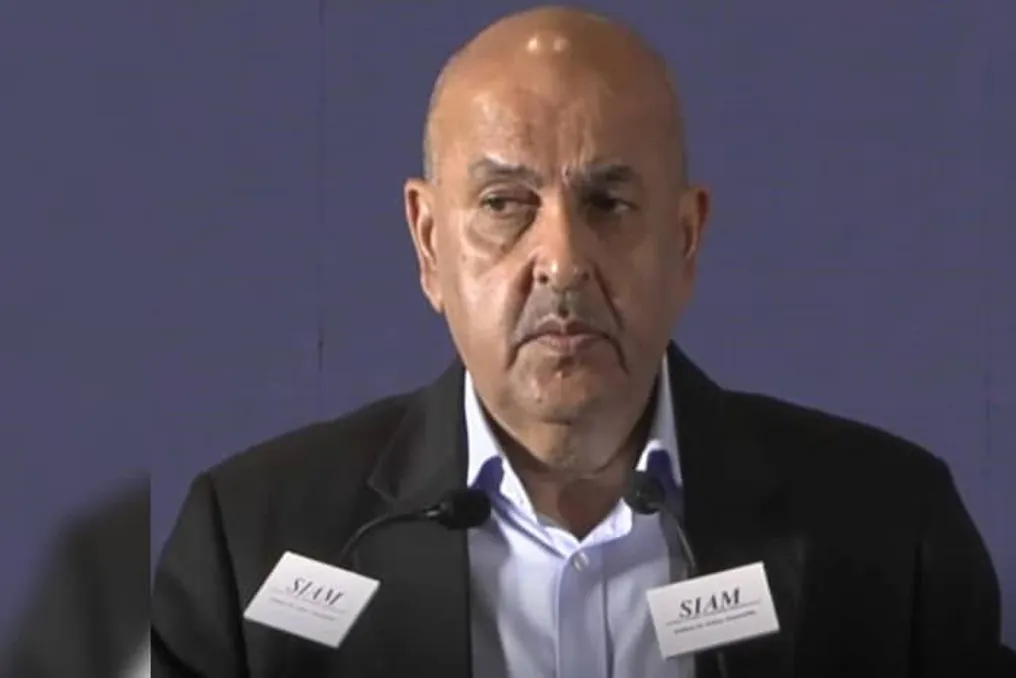
Tarun Kapoor, the Prime Minister's advisor, highlighted on Friday the lack of cooperation from electricity distribution companies (DISCOMs) when scaling up the electric vehicle charging network in the country.
He also stated that the government is ready to allocate additional funding for developing charging infrastructure if necessary.
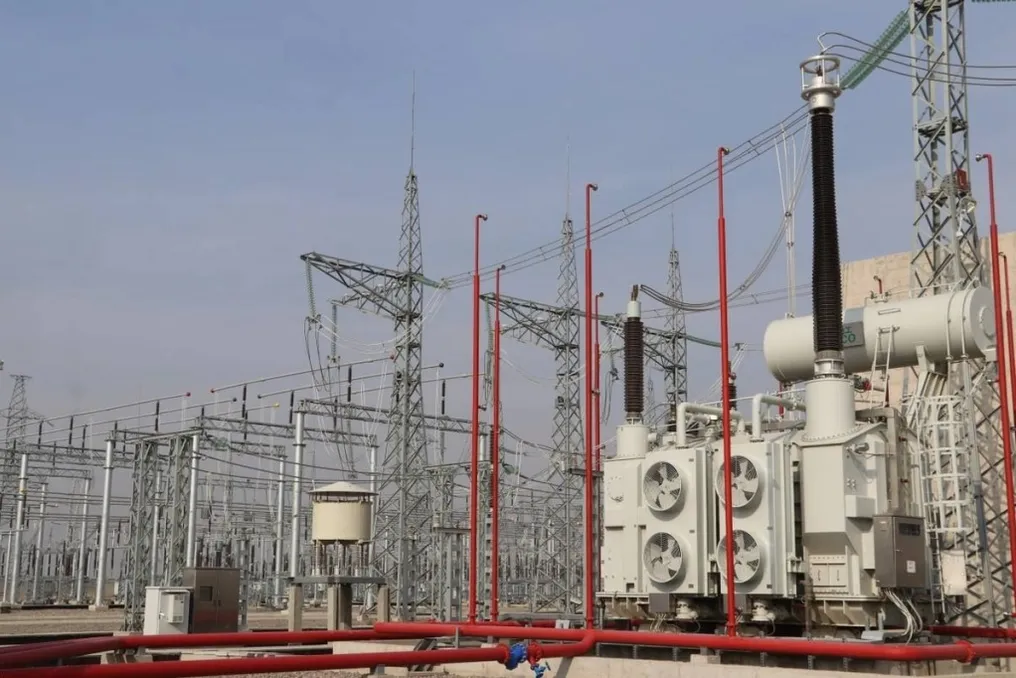
Speaking at the first SIAM Dialogue on growth and readiness to develop EV infrastructure on Friday, Kapoor noted that 'DISCOMs sometimes do not cooperate very well.'
According to him, distribution companies often demand significant sums of money when installing charging stations, especially those with high power capacity. He emphasized the need to appoint a dedicated employee in each distribution company to handle these issues.
Kapoor explained that the main part of the cost for placing a charging station falls on the meter area, where distribution companies may demand a large sum of money. He added that if a charging station requires higher power, such as 100 kW or more, the financial demands can be even more substantial.
Kapoor noted that electric vehicles will become an important future source of electricity demand, which opens up significant business opportunities for energy distribution companies. He reported that the authorities are informing DISCOMs that it is time to recognize that EVs will become one of the largest sectors of energy consumption, and that the country is entering a phase of electricity surplus.
Kapoor also mentioned that the government aims to encourage daytime charging instead of relying entirely on overnight home charging. He believes that charging points should be increasingly located in offices, workplaces, shopping malls, and parking areas.
However, a problem is the low utilization rate of some existing public charging stations, which negatively affects their maintenance and long-term viability. Kapoor reported that some stations had usage rates of less than one percent, making maintenance difficult for operators.
EV adoption in India is in its early stages, with faster growth observed in the two- and three-wheeler segments. Charging infrastructure remains one of the key bottlenecks for wider adoption. Under the PM E-Drive program worth 11,900 crore rupees, the government has allocated 2,000 crore rupees to subsidize charging infrastructure, including up to 72,300 new public EV charging stations, battery swapping stations, and battery charging stations.
In conclusion, Kapoor added that 'there is a significant amount of money ahead for creating charging infrastructure, and I think the government will be ready to invest more funds if needed.'