Trade turnover between Iran and Pakistan reached $6 billion, growth potential exceeds $10 billion
Read more
Tehran Times
www.tehrantimes.com

Trade turnover between Iran and Pakistan reached $6 billion, growth potential exceeds $10 billion

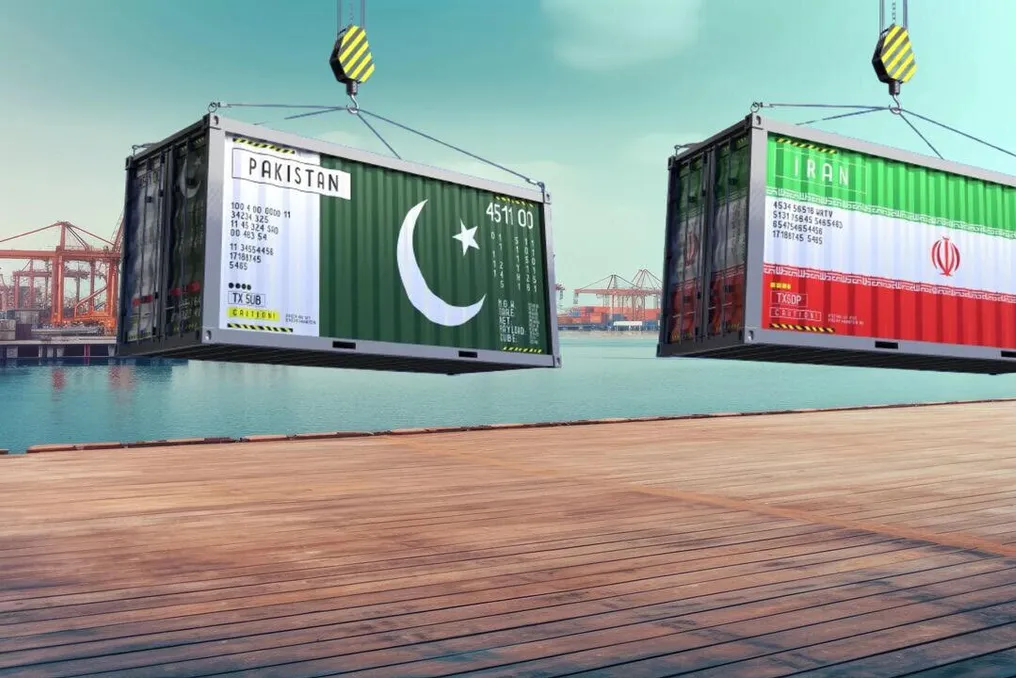
According to a representative of the Iranian Organization for the Promotion of Trade, the current volume of official and unofficial trade between Iran and Pakistan is approximately 6 billion US dollars. Given the needs and capabilities of both countries, this figure could be increased to over 10 billion dollars.

At a conference in Bushehr dedicated to Iranian and Pakistani trade opportunities, Seyyed Mehrdad Siyadat-Nasab noted that the current level of exchanges does not match Iran's production potential and Pakistan's market needs, requiring additional efforts to realize these possibilities.

He added that before the start of military actions, part of Iran's imports from Pakistan was carried out through UAE and Jebel Ali ports, and these operations were not recorded in official bilateral trade statistics.

Continuing his speech, the Deputy Director of the East Asia and Subcontinent Department of the Iranian Organization for Trade Development emphasized that considering these unofficial exchanges, the total trade volume reaches approximately 6 billion dollars, which exceeds the initial target, but the potential reaches 16 billion dollars.

Siyadat-Nasab indicated that Iranian companies can increase their share in the Pakistani market in sectors such as agriculture, industry, mining, tourism, as well as technical and engineering services.

Regarding tourism potential, he reported that millions of Pakistani citizens visit holy sites in cities such as Mashhad and Qom annually. With proper planning, they can be organized to visit Iran's natural and historical attractions, including northern cities, Isfahan, and Shiraz.

The representative of the Iranian Organization for the Promotion of Trade called the complementarity of the two economies as one of the key advantages of expanding economic ties. He noted that a significant part of Iranian exports to Pakistan includes energy carriers such as liquefied gas, petrochemical materials, tiles, and ceramics, as well as steel, which are competitive in the Pakistani market due to Iran's energy advantage.

In response, Pakistan possesses suitable capacities for producing and exporting goods needed by Iran for import, and this economic complementarity can contribute to the development of trade exchanges and meet the needs of both countries.

Siyadat-Nasab reported on the progress of negotiations for the Free Trade Agreement (FTA) between Iran and Pakistan, noting that the list of covered goods has been exchanged by the parties. He stated that the agreement is in its final stages, and they hope that its first phase will be implemented by the end of the year.

If this agreement comes into force, customs tariffs on most Iranian export goods to Pakistan will be reduced to zero, and Iran will consider tariff concessions for some goods exported by Pakistan, which will help develop bilateral trade.

The Deputy Director of the East Asia and Subcontinent Department of the Iranian Organization for Trade Development also commented on the potential of Pakistani ports. He believes that Pakistani ports can take on part of the logistical and commercial function of the Jebel Ali port in the UAE, becoming a platform for re-exporting Iranian goods to global markets and meeting Iran's import needs from third countries.

Acknowledging that creating trade and logistics infrastructure in Pakistan will take time, he added that the country can become an alternative route for expanding Iran's trade relations with the world, even though the infrastructure formed in the UAE over 20 years will not appear instantly.

Highlighting Iran's strategic view on developing relations with Pakistan, Siyadat-Nasab stated that Pakistan can become a strategic partner in food security, reduce Iran's dependence on risky trade routes, and create a basis for a new economic corridor between Iran and East Asia.

Referring to the potential of the China-Pakistan Economic Corridor, he noted that the 'Belt and Road' project extends from eastern China to the Gwadar port in Pakistan, which is only 70 kilometers from the Iranian border. Consequently, there is a possibility of developing land communication between Iran and China through Pakistan.

The representative of the Iranian Organization for the Promotion of Trade added that developing such routes can increase the resilience of the country's economy in critical conditions and open up new opportunities for access to regional and international markets.

He also mentioned supporting infrastructure for Iran-Pakistan trade: the Iran-Pakistan Joint Chamber of Commerce in Zahedan with an office in Tehran, the bilateral Trade and Investment Council, and two licensed trade centers in Pakistan are resources that can assist traders and economic actors in developing exchanges.

Siyadat-Nasab expressed hope that with the cooperation of the Organization for the Promotion of Trade, local officials, and economic entities, the volume of trade relations between Bushehr province and Pakistan, as well as overall economic exchanges between the countries, will increase.

The Deputy Director of the East Asia and Subcontinent Department of the Iranian Organization for Trade Development noted that Pakistan, with a population of about 260 million people and a significant need for importing goods and raw materials, is a suitable market for developing Iranian exports. He stressed that economic actors must deeply understand the needs and competitive advantages of their products to succeed in this market.

Siyadat-Nasab pointed out that Pakistan is the fifth most populous country in the world. Thanks to a large consumer market and the need of various industries for imported raw materials, it has significant chances for developing trade with Iran.

He added that this country is considered an important regional market with exports of about 35 billion dollars and annual imports of nearly 65 billion dollars, with its main economic sectors being industry, mining, agriculture, and livestock.

The Deputy Director of the East Asia and Subcontinent Department of the Iranian Organization for Trade Development considered the textile and agricultural sectors of Pakistan important, noting that the country produces certain agricultural products and basic goods needed by Iran and can meet some of Iran's import needs.

Siyadat-Nasab mentioned that the Gwadar port is located about 75 kilometers from the Chabahar port, but its port infrastructure is not yet complete. He strongly recommended exporters to study the competitiveness of their products in terms of quality and price before entering this market, and then focus on marketing and finding customers.

This official of the Iranian Organization for the Promotion of Trade suggested using international trade information systems as a solution to reduce marketing costs, noting that economic entities can register for free in the Trade Map system to obtain data on goods imported and exported by countries, as well as on major trading companies.
Similar stories

Uzbekistan increased gas imports by 50% to $1.6 billion, while exports fell by more than a third
Read more
gazeta.uz

Uzbekistan increased gas imports by 50% to $1.6 billion, while exports fell by more than a third

According to the National Committee of Statistics, as reported by 'Gazeta', in the period from January to September 2026, imports of mineral fuel, lubricating oils, and similar materials in Uzbekistan rose by 21.6%. The total import amount increased from $2.77 billion to $3.37 billion.

The most significant growth was shown in gas purchases. Imports of natural and artificial gas, including liquefied gas (propane), increased by 49.9%, reaching $1.605 billion. During the same period in 2025, this figure was approximately $1.07 billion.

In September, gas imports reached $389.2 million, significantly higher than the August figure ($206.1 million), demonstrating an increase of 88.8%, or almost 1.9 times. It should be noted that September was the month with the largest volume of gas imports in monetary terms since the beginning of 2026, accounting for about 24.2% of all expenditures in this category over nine months.

The import of liquefied gas (propane) is singled out, whose cost from January to September grew threefold, increasing from approximately $40 million to $152.2 million.

The main suppliers of natural gas to Uzbekistan are Russia and Turkmenistan, but the National Committee of Statistics does not provide physical volumes and costs of supplies separated by country in the published report.

The National Committee of Statistics also revised data for 2025. Initially, natural and artificial gas imports for January-September last year were estimated at $932.3 million, but in the updated statistics, this figure has been increased to $1.07 billion, representing an increase of $138.6 million, or almost 15%. This revision of the base affected the assessment of gas import growth in 2026: if initial data had been used, the growth would have been 72.2%, but according to the refined data, it is 49.9%.

The opposite trend is observed in exports. Overall, exports of mineral fuel, lubricating oils, and similar materials increased by 4.4% over the nine months, reaching $1.18 billion compared to $1.13 billion the previous year.

Nevertheless, exports of natural and artificial gas decreased by 34.5%, falling from $546.4 million to $357.9 million. In September, gas exports amounted to $35.6 million, lower than the August figure ($42.6 million), meaning a decrease of 16.4%. Previously, in April, gas exports reached $92.7 million, and in May, $73.5 million.

The difference between the value of gas imports and exports over nine months reached $1.247 billion, whereas the previous year it was about $524.5 million. Only in September did the difference between imports and exports amount to $353.6 million compared to $163.5 million in August. It is important to note that these figures reflect the value of foreign trade operations, not the actual difference in volumes.

Data from China's General Customs Administration indicates a significant reduction in supplies from Uzbekistan. According to Chinese customs statistics, from January to September, China imported gas from Uzbekistan worth $356.1 million, which is 43.9% less than the same period in 2025, when the value of supplies reached $634.9 million.

In September, supplies, according to the Chinese side, amounted to $50.04 million, a slight increase compared to August ($47.74 million), but compared to September 2025 ($68.63 million), the value of supplies dropped by 27.1%. Overall, in 2026, supplies were noticeably lower than the previous year's levels.

There are discrepancies in the data: the National Committee of Statistics reports the total export of natural and artificial gas from Uzbekistan over nine months at $357.9 million, while Chinese customs recorded imports of $356.1 million. The difference is about $1.8 million. However, for September, the discrepancy is more noticeable: Uzbekistan reported exports of $35.6 million, while China registered imports of $50.04 million.

Concurrently, Uzbekistan continues to increase its imports of oil and petroleum products. From January to September, the cost of these supplies increased by 6%, reaching $1.56 billion from the previous $1.47 billion. In September, oil and petroleum product imports amounted to $203.7 million, compared to $116.8 million in August.

The dynamics of individual fuel types differ: the import of gasoline increased by 33.6%, rising from $339.8 million to $454 million. In September, the value of imported gasoline was $16.6 million, while in August it was $27.9 million. Conversely, diesel fuel imports decreased by 19.1%, falling from $233.7 million to $189.1 million. In September, 9.6 million dollars worth of diesel fuel was imported.

The cost of purchasing coal, coke, and briquettes over nine months amounted to $144.2 million, which is 1.7% less than the previous year.

A positive trend persists in electricity trade. From January to September, electricity exports from Uzbekistan increased by 26.9%, reaching $145.8 million compared to $114.9 million. Electricity imports, conversely, decreased by 25%, falling from $82.4 million to $61.8 million. As a result, the positive difference between electricity exports and imports grew to $84 million from the previous $32.5 million.

In September, Uzbekistan exported electricity worth $6.6 million and imported $4.3 million.

The increase in gas import expenses occurs against the backdrop of declining domestic production. According to the National Committee of Statistics, from January to September 2026, 27 billion cubic meters of natural gas were produced in Uzbekistan, which is 16.4% less than the same period in 2025 (32.3 billion cubic meters), meaning 5.3 billion cubic meters less.

Uzbekistan's trade turnover with Persian Gulf countries has increased almost sevenfold over five years
Read more
podrobno.uz

Uzbekistan's trade turnover with Persian Gulf countries has increased almost sevenfold over five years

The trade volume between Uzbekistan and the Persian Gulf countries has increased by almost sevenfold over the past five years, reaching $1.75 billion. Concurrently, investments from the region's states in the Uzbek economy have exceeded $11 billion. The majority of these new investments are directed towards the energy sector, specifically projects for creating solar and wind power plants.

This data was provided by the Eurasian Development Bank (EDB). According to the bank, Uzbekistan has become the largest trading partner for the Persian Gulf countries in Central Asia, accounting for approximately 45% of the total trade between the two regions.

In 2025, exports of Uzbek goods to the Gulf countries reached $860 million, while imports amounted to $890 million, indicating relatively balanced trade relations. Uzbekistan's exports are based on precious metals, mineral products, and agricultural products. In turn, Uzbekistan purchases aviation equipment, electronics, machinery and equipment, as well as pharmaceutical and chemical products from the Gulf countries.

Significant growth has also been demonstrated in investments. EDB monitoring shows that direct investments from the Gulf countries in Uzbekistan rose from $400 million in 2020 to $11.3 billion by mid-2026, an increase of more than 25 times. Thanks to this indicator, the republic has become one of the fastest-growing recipients of investment in Central Asia, second only to Turkmenistan in total volume.

The United Arab Emirates remains the leading investor among the Gulf states. Uzbekistan attracts a dominant share of investments from Saudi Arabia, receiving over 95% of Saudi Arabia's investment portfolio in the region. ACWA Power is actively involved in implementing these projects.

The EDB also noted the transformation of the investment structure: the share of electricity in the total volume of investments from Gulf countries in Central Asia grew from 2% in 2020 to 34% by mid-2026, reaching $10.5 billion. Among the major energy projects in Uzbekistan are the 500 MW wind power plant in Zarafshan and the Sherabad solar plant in Surkhandarya region, as well as other initiatives for solar and wind generation.

The development of economic ties is accompanied by the improvement of logistics infrastructure. In October 2026, the Emirati company DP World began construction of a dry port near Tashkent, which will include warehouses and container yards for cargo handling.

Overall, the trade turnover of five Central Asian countries (UAE, Saudi Arabia, Qatar, Oman, Kuwait, and Bahrain) with six Persian Gulf states increased from $1 billion in 2020 to $3.9 billion in 2025. The EDB forecasts that by 2030, the trade potential between the regions could reach $4.9 billion. However, the bank points to several obstacles slowing this growth, including high transport costs, lack of warehouse infrastructure, and difficulties with mutual standard recognition.

Previously, the EDB conducted a study of the Central Asian power system and warned about the possibility of forced reduction in the output of solar and wind power plants in Uzbekistan due to grid limitations. It is estimated that by 2028, the volume of lost electricity could amount to 3.5 billion kilowatt-hours.

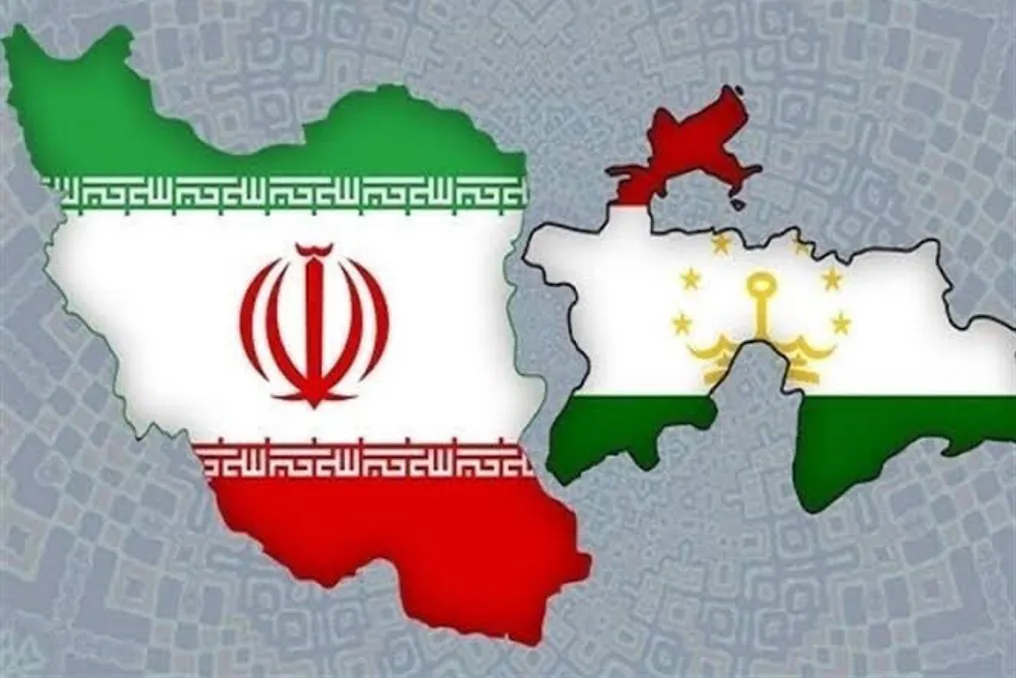
Trade between Iran and Tajikistan: Transition from Growth in Exchanges to Verification of Agreement Fulfillment
Read more
www.tehrantimes.com

Trade between Iran and Tajikistan: Transition from Growth in Exchanges to Verification of Agreement Fulfillment

Trade between Iran and Tajikistan entered a new phase in 2026, marked by an increase in trade turnover, the conclusion of new agreements, and the abolition of visa regimes. Nevertheless, achieving the target of one billion US dollars in trade still depends on eliminating obstacles in the banking sector and transport barriers.

According to a reporter from Mehr News Agency, economic ties between Iran and Tajikistan have developed in recent years due to the intensification of political interaction, the signing of trade agreements, and efforts to develop cooperation in the fields of transport and energy. Trade statistics also indicate a growth in exchanges between the two states; however, Iran's share in the Tajik market and the total volume of bilateral trade remain significantly below the existing potential.

In recent months, consultations between the countries have focused on facilitating trade, developing transit routes, inter-provincial cooperation, and increasing exports. The implementation of new agreements and the elimination of banking and transport problems could form the basis for achieving the one billion dollar goal, the success of which depends on practical and continuous actions by both sides.

According to data published by Tajik institutions, the volume of the country's foreign trade with Iran increased from approximately $377.7 million in 2024 to about $483.9 million in 2025, representing a growth of almost 28 percent. Based on the same data, Tajikistan's exports to Iran in 2025 amounted to about $112.8 million, while imports from Iran were about $371.2 million. Thus, the structure of bilateral trade still favors Iranian exports, and Iranian products account for the majority of exchanges.

Statistics for 2026 also show an upward trend. The trade volume of the two countries reached $119.6 million in the first quarter of the year, which is 8 percent more than in the same period last year. In the first half of the year, this figure rose to $254.3 million, exceeding the sum for the first six months of 2025 by $32.8 million and 14.8 percent.

Iran's export portfolio to Tajikistan mainly includes industrial and petrochemical products, polymer raw materials, building materials, and food products. According to customs data of Tajikistan, reflected by the country's International Road Transport Association, in 2025, goods such as petrochemical products, polyethylene, polypropylene, Portland cement, clinker, and food products were imported into Tajikistan from Iran.

Conversely, Tajikistan's exports to Iran are largely based on raw materials and basic goods, including cotton fiber and yarn, as well as primary aluminum. This picture shows that trade between the two countries is still insufficiently diversified, and there is significant potential for expanding exchanges in mechanical engineering, industrial equipment, agricultural products and processing industry, medicine and medical equipment, as well as technical and engineering services.

According to Amir Fahrian, Iran's commercial advisor in Tajikistan, the country's foreign trade volume reached approximately $7.94 billion in the first seven months of 2026. During this period, Tajikistan's exports amounted to about $1.78 billion, while imports exceeded $6.16 billion. In the same period, Iran's exports to Tajikistan were reported at about $249.97 million, corresponding to approximately 4.1 percent of Tajikistan's total imports.

This share, along with the growth in bilateral trade, indicates that Iran has not yet been able to secure a larger position in the Tajik market proportionally to its industrial and export capabilities. Food and agricultural sectors, building materials, mechanical engineering and industrial equipment, mineral products, medicine, and technical and engineering services are areas where there is potential for increasing the presence of Iranian companies. However, developing exports in these sectors requires deep knowledge of standards, distribution networks, import regulations, and payment mechanisms in the target market.

Cooperation in the energy sector has become one of the key axes of economic negotiations between Tehran and Dushanbe. Within the framework of consultations between the two countries, the issue of oil product supplies and the expansion of energy partnership was discussed, as well as the possibility of increasing Iranian exports in this area.

According to published statistics, from January to September 2026, Tajikistan imported about 15,600 tons of oil and petroleum products from Iran worth $14.7 million. This data indicates the start of imports in this sector, although the current volume of exchanges remains limited.

Meanwhile, the figures cited regarding the possibility of supplying 2.55 million tons of petroleum products annually should not be considered final exports or executive contracts; rather, this figure is within the declared capacity and requests made during negotiations. Turning this capacity into real trade depends on executive agreements, transport infrastructure, and financial mechanisms.

Thanks to access to open waters and its location on regional communication routes, Iran can play an important role in meeting Tajikistan's trade needs. Among the options considered to facilitate the transportation of goods between the two countries are the use of Chabahar Port and Bandar Abbas Port, as well as the potential of infrastructure such as Aprin dry port.

Developing transit routes from Iran to Afghanistan and Tajikistan, connecting these routes to regional transport networks, can reduce the cost and time of transporting goods. This is especially important for Tajikistan, which is a landlocked country.

However, issues related to transport costs, coordination of customs procedures, infrastructure limitations, and difficulties in financial operations remain obstacles to the development of cooperation. Resolving these issues could turn Iran's geographical advantage into a larger share of the Tajik market.

In recent years, both countries have sought to move economic cooperation from the level of negotiations to the level of implementation by increasing the number of formal agreements. In January 2025, 23 cooperation documents were signed between the parties, and 13 trade agreements worth $456 million were put on the agenda.

In April 2026, the 18th Joint Committee on Economic Cooperation between Iran and Tajikistan was held. The main areas of this meeting were the development of trade, transport, energy, and industrial cooperation.

In recent events, on October 23, following the visit of the Governor of Khorasan Razavi to Tajikistan, three documents on cooperation in the fields of free zone trade, common standards, and transportation guarantees were signed. Additionally, during meetings of officials from Khorasan Razavi and Khatlon provinces, ways to strengthen economic and trade interaction were studied.

The development of provincial cooperation can open a new path for a more active participation of the private sector in the Tajik market. The geographical proximity and production and export capacities of Iran's eastern provinces, especially Razavi-Khorasan, provided a suitable opportunity to expand these relations.

The full implementation of the visa waiver for holders of ordinary passports from Iran and Tajikistan starting from October 5, 2026, is one of the important steps to promote communication between the two countries. Under this agreement, citizens of both countries can stay in the other country without a visa for up to 30 days within every 90 days.

This measure can promote the movement of economic actors, traders, tourists, and investors, and increase the basis for direct communication between companies and private sector representatives.

Furthermore, the visit of Mohammad Reza Aref, First Vice President of Iran, to Dushanbe to participate in the Shanghai Cooperation Organisation meeting and meet with Tajik President Emomali Rahmon provided an opportunity to study economic cooperation between the two countries. During these meetings, topics such as trade, energy, transport, industry, agriculture, and joint production were discussed.

Following up on these consultations, the Ambassador of Tajikistan in Tehran also met with the Director General for Central Asia of the Iranian Ministry of Foreign Affairs. At this meeting, the expansion of political, economic, trade, and cultural ties between the two countries was discussed.

Achieving the goal of increasing Iran-Tajikistan trade volume to one billion dollars is a task that has been raised in the negotiations and economic plans of both countries in recent years. Realizing this goal, in addition to increasing the number of formal agreements, requires eliminating existing obstacles to the activities of Iranian and Tajik traders and companies.

Problems with money transfers, banking restrictions, transport costs, customs procedures, and the lack of direct and continuous communication between economic entities are some of the challenges that may slow down the process of trade development. On the other hand, insufficient awareness of market potential and difficulties for small and medium-sized enterprises in accessing trading partners also hinder the full utilization of existing opportunities.

Under these conditions, supporting cooperation between chambers of commerce, creating reliable financial mechanisms, developing transport, and monitoring the fulfillment of signed agreements are particularly important. Ultimately, sustainable growth in Iran-Tajikistan trade will be achieved not by increasing the number of cooperation documents, but by turning agreements into executive contracts, increasing actual exchanges, and ensuring the constant presence of the private sector.

Popular