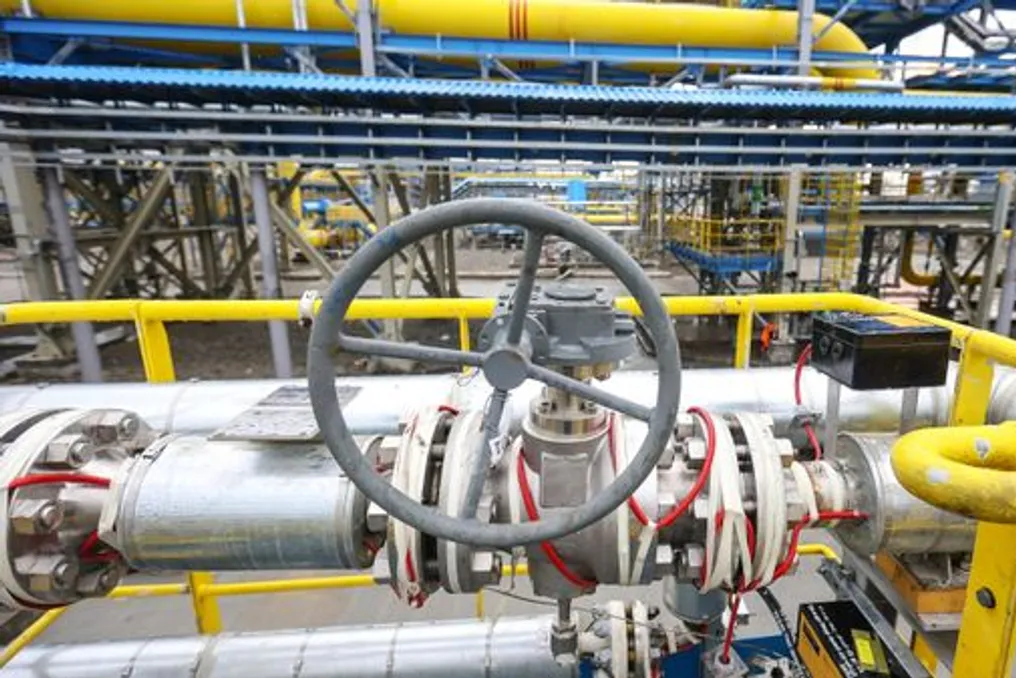
Ministry announced a 10% increase in fuel quotas for industry and mining
Read more
Tehran Times
www.tehrantimes.com

Ministry announced a 10% increase in fuel quotas for industry and mining

The Minister of Industry, Mining, and Trade reported that the volume of fuel allocated to mineral and industrial producers under the SADAF system for the current year exceeds last year's figures by ten percent. A similar increase was also applied to regional quotas.

Fuel quota for industry and mining increased by 10%

During a visit to the Metafo exhibition on Thursday, Seyyed Mohammad Atabak stated that all producers with valid licenses and demonstrating activity are registered in the SADAF system. This system is overseen by the relevant deputy minister, and fuel distribution is determined based on consumption data, production volume, and the established quota for each unit.

Atabak emphasized that enterprises operating within the approved quota will receive the necessary fuel. Requests for quota increases may be considered if production grows, but this requires verification and approval from provincial authorities.

Stressing the need to streamline the supply chain and fuel distribution in the manufacturing and mining sectors, he noted that excess fuel allocation must correspond to the actual level of production. Requests that do not align with the enterprise's capabilities and results cannot be approved.

According to ministry data, fuel allocated through the SADAF system is tied to a specific location, and its transfer between mining sites or production units is prohibited. This mechanism is designed to increase transparency, control consumption, and prevent deviations in fuel distribution.

Atabak also mentioned efforts to restore damaged steel plants, characterizing the sector's activity as noteworthy. He reported that effective measures have been taken to restore production capacities after damage at some facilities.

Referring to the work of Mobarakeh Steel complexes, Khuzestan Steel, and other affected facilities, he noted that the restoration work had technical and operational significance that can be assessed internationally.
Similar stories

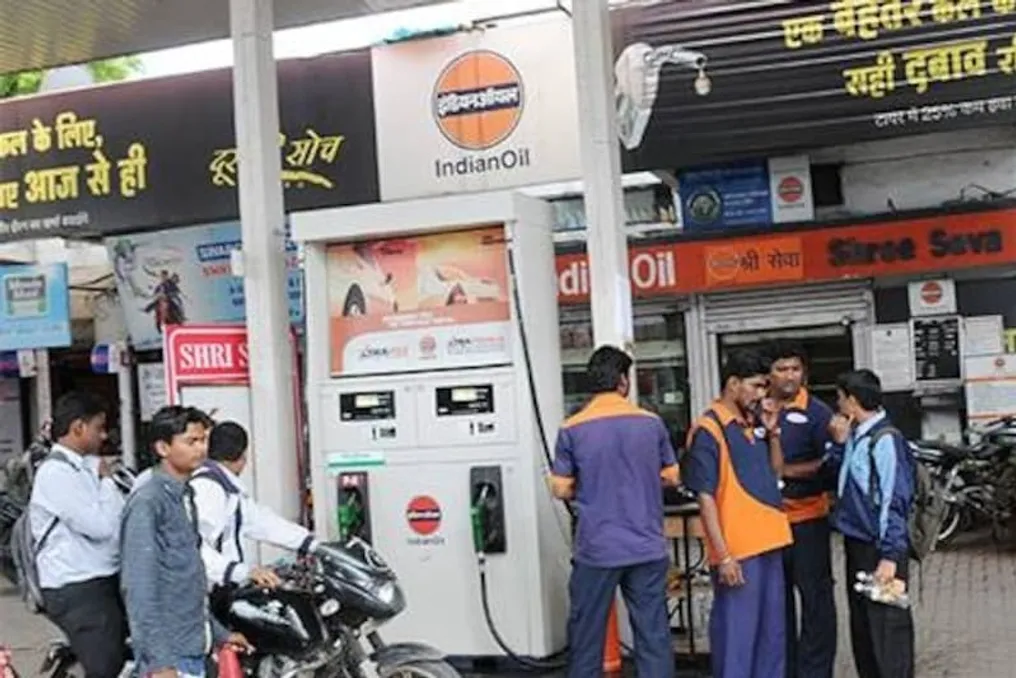
Dealers Insist on Increased Commissions for LPG and Gasoline-Diesel; Possible Price Hikes for Cylinders and Fuel
Read more
www.aajtak.in

Dealers Insist on Increased Commissions for LPG and Gasoline-Diesel; Possible Price Hikes for Cylinders and Fuel

LPG distributors are demanding an increase in commissions for 14.2 kg domestic cylinders from the current 73 rupees to the level of 120–150 rupees. Gas station dealers have also requested an additional margin of 1.50 rupees per liter of gasoline and 2.50 rupees per liter of diesel fuel. Amid rising operating costs, dealers have appealed to the Ministry of Oil and state oil companies, demanding a review of commission rates.

Consumers are closely monitoring prices for gas cylinders and fuel, and now that the dealers responsible for their supply have activated their demands for increased commissions. LPG distributors want to raise their commission for a 14.2 kg domestic cylinder from the current 73.08 rupees to 120–150 rupees. Furthermore, gas station operators are pushing for a 30–40 percent increase in their margin.

According to industry sources, dealers have presented their demands to the Ministry of Oil and Natural Gas, as well as to the state oil companies (OMCs). They argue that due to the constant rise in costs for staff salaries, electricity, maintenance, and other operational expenses, conducting business at the current commission levels is becoming difficult.

The dealers have demanded changes to commissions for both LPG and gasoline-diesel. LPG distributors insist on raising the commission for a 14.2 kg LPG domestic cylinder from 73.08 rupees to 120–150 rupees, which would be an increase of about 47 rupees if proposed at 120 rupees and about 77 rupees if proposed at 150 rupees. As for gasoline and diesel dealers, they are seeking an overall commission increase of 30–40 percent, which includes a request for an additional margin of 1.50 rupees per liter of gasoline and 2.50 rupees per liter of diesel fuel.

Dealers point out that the operating costs for gas stations and LPG agencies have significantly increased over the past few years. This has been driven by rising employee wages, increased electricity costs, maintenance, and other necessary services. Gas station operators also have to provide free services to customers, such as tire inflation. In the LPG sector, distributors' business and margins are also under pressure due to mandatory e-KYC procedures and the expansion of PNG connections. Industry sources believe that the commission has not been adequately adjusted compared to the rise in costs, prompting dealers to demand a margin increase from the government and oil companies.

According to official data from the Petroleum Planning and Analysis Cell (PPAC), the last revision of the commission for domestic LPG distributors took place on October 4, 2023. At that time, the commission for a 14.2 kg cylinder was increased from 64.84 rupees to 73.08 rupees, and for a 5 kg cylinder—from 32.42 rupees to 36.54 rupees. The last adjustment of the margin for gasoline and diesel dealers occurred on December 1, 2024, although changes were also made on October 30, 2024.

If the dealers' demands are met, it will lead to increased additional costs for oil companies in the form of commissions. However, it is not yet determined whether this burden will be directly passed on to consumers. The government and oil companies need to make a separate decision on this matter. Therefore, an increase in commission itself does not automatically mean a price hike for gasoline, diesel, or domestic gas. Currently, the Ministry of Oil or state oil companies have not made any official statements regarding commission increases and subsequent price rises for gasoline, diesel, or domestic gas cylinders.

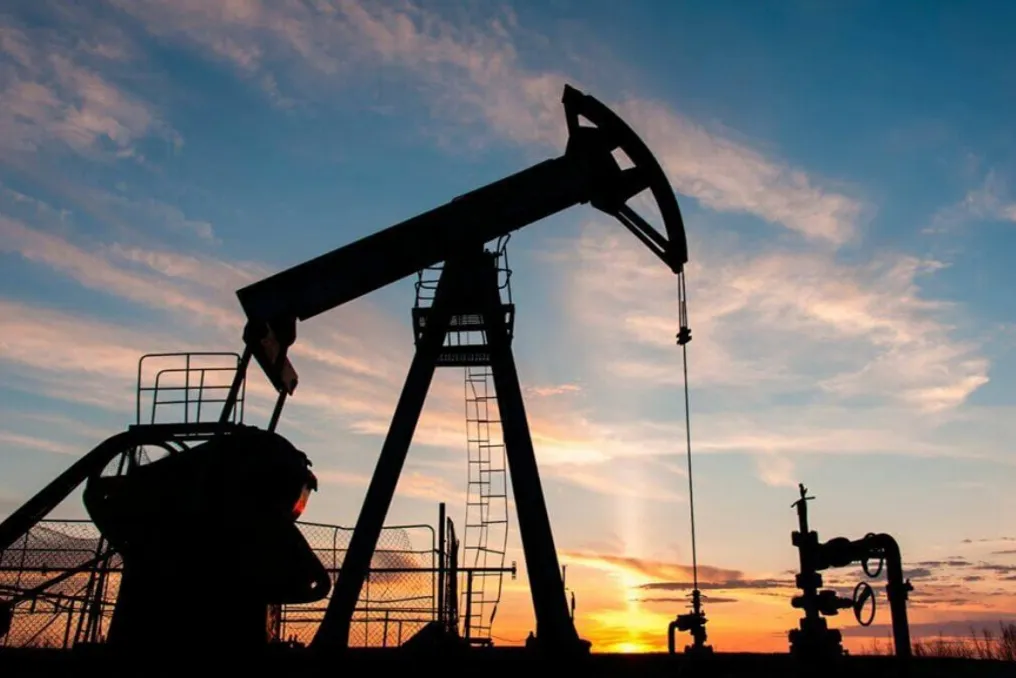
Kazakhstan increased oil supplies to Uzbekistan by almost 80% in the first eight months of 2026
Read more
podrobno.uz

Kazakhstan increased oil supplies to Uzbekistan by almost 80% in the first eight months of 2026

In the first eight months of 2026, Kazakhstan significantly increased its crude oil exports to Uzbekistan, boosting supply volumes by nearly 80%. During this period, the total volume of supplies reached 65.1 thousand tons, which is substantially higher than the 36.2 thousand tons recorded in the same period last year.

According to official statistics, from January to August, Kazakhstan sent 65,076 tons of crude oil and petroleum products derived from bituminous rocks to Uzbekistan. The value of this export rose from 13 million to 29.73 million dollars, representing an increase of 128.8%. The average price per ton of oil rose from approximately 359 to 457 dollars.

In August alone, Uzbekistan imported about 6 thousand tons of oil from Kazakhstan, paying 5.19 million dollars for it. It is important to note that in the first eight months of the current year, the supply volume has already exceeded the entire volume of Kazakh oil purchases in 2025, which amounted to 64.2 thousand tons.

Furthermore, there is a significant growth in oil transit through Kazakhstan towards Uzbekistan. According to KazTransOil, from January to October, transit reached 81 thousand tons, compared to only 4 thousand tons the previous year. This signifies an increase in transit volume by more than twenty times; it should be emphasized that this transit figure differs from the statistics on Kazakh exports.

Previously, plans were announced for the Bukhara Refinery to invest 328 million dollars in modernizing its production complex.

Gas and oil consumption in Uzbekistan increased over 10 years, while gas production decreased
Read more
sputniknews.uz

Gas and oil consumption in Uzbekistan increased over 10 years, while gas production decreased

According to a report by Eni, natural gas consumption in Uzbekistan increased by 53% over the last decade, while oil consumption grew by 75%. Meanwhile, gas production decreased by 14%.

Data from the World Energy Review 2026, published by the Italian energy company Eni, shows that natural gas consumption in Uzbekistan has significantly risen over the past ten years, while production volume has fallen by 14%. This has resulted in gas consumption exceeding domestic production by a noticeable margin.

In 2015, Uzbekistan produced 46.55 billion cubic meters of gas, with domestic consumption at 35.4 billion cubic meters. Thus, production exceeded consumption by 11.15 billion cubic meters. The situation changed by 2025: the country produced 40.16 billion cubic meters of gas, and consumption reached 54.32 billion cubic meters, meaning consumption exceeded production by 14.16 billion cubic meters.

Furthermore, in 2025, gas production increased by 2.4% compared to 2024, but this figure is still below the level of ten years ago. The rise in gas consumption cannot be explained solely by population growth. Between 2015 and 2025, Uzbekistan's population grew from 30.7 million to 37.1 million people. At the same time, total per capita gas consumption increased from approximately 1151 cubic meters to 1466 cubic meters, including the use of gas in industry and other sectors.

In 2025, Uzbekistan imported 19.88 billion cubic meters of natural gas, and exports amounted to 5.72 billion cubic meters. Consequently, the volume of imported gas exceeded exports by 14.16 billion cubic meters, which matches the difference between domestic consumption and production. For comparison, in 2015, Uzbekistan exported 10.22 billion cubic meters of gas; over ten years, export volume almost decreased by 44%. In 2025, Uzbekistan became the largest consumer and importer of gas in Central Asia, accounting for about 76% of the region's gas imports.

Alongside gas, demand for oil and petroleum products in Uzbekistan has also significantly increased. If the daily oil consumption was 84 thousand barrels in 2015, it reached 147 thousand barrels by 2025, representing a 75% increase. Oil production increased much slower: from 66 thousand barrels per day to 81 thousand barrels, an increase of approximately 23%. As a result, if in 2015 the volume of oil production was 79% of consumption, in 2025 this percentage dropped to 55%. These figures relate to the overall balance of oil and petroleum products and are not limited only to the consumption of automotive gasoline.

Parallel to the growth in gas and oil consumption, solar and wind energy are actively developing in Uzbekistan. In 2025, the total installed capacity of solar power plants reached 5934 MW, which is 86% more than in 2024. Wind power capacity increased from 501 MW to 1652 MW. Thus, the total capacity of solar and wind plants more than doubled in one year, reaching 7586 MW. However, installed capacity does not reflect the actual volume of electricity generated, nor does the expansion of alternative energy immediately mean a decrease in demand for natural gas.

Popular