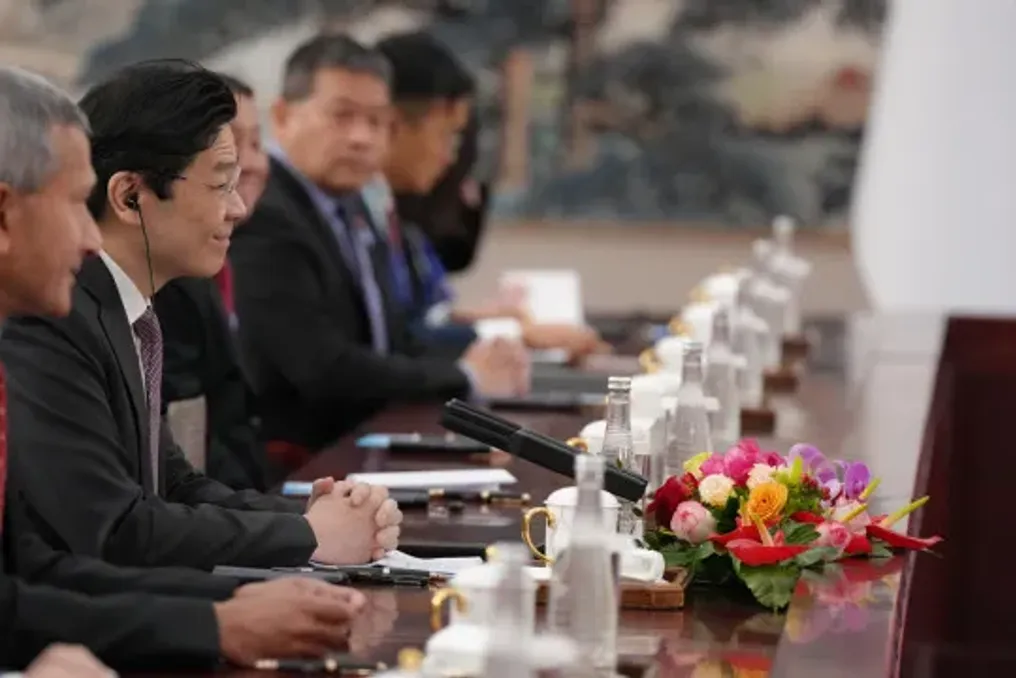
Xi Jinping proposed updating the free trade agreement with Singapore
Read more
Noticias ao Minuto
noticiasaominuto.com

Xi Jinping proposed updating the free trade agreement with Singapore

Chinese President Xi Jinping initiated discussions on updating the free trade agreement with Singapore. This proposal was put forward during a meeting with the city-state's Prime Minister Lawrence Wong, which took place in Shenzhen, in southern China.

Xi presented this initiative as a 'Version 4.0' of the agreement. This proposal emerged less than two years after the last revision came into force. The official Chinese state news agency Xinhua reported that it did not specify which chapters are subject to review or whether Singapore agreed to start negotiations.

The agreement has been in effect since 2009. The latest protocol, which entered into force on December 31, 2024, expanded access for Singaporean companies to the Chinese market for services and investment, and also added a chapter on telecommunications.

Furthermore, Xi suggested intensifying joint projects in the fields of digital economy, artificial intelligence, and sustainable development, although he did not clarify whether these areas would be included in the treaty revision.

The meeting took place one day after Wong called on the region at the APEC summit to avoid splitting into competing economic blocs. This issue particularly concerns Singapore, as China is its main trading partner, while the United States is its largest foreign investor and defense partner.

On Thursday, US regulations also came into effect requiring export permits for certain advanced semiconductors to Singapore and four other countries. The Singaporean government has already begun a dialogue with Washington to maintain its companies' access to these components.

Singapore is investigating possible false statements made during the acquisition of servers by Megaspeed, which is suspected of rerouting Nvidia semiconductors subject to US restrictions to China. The company's former head, Alice Huang, who was connected to semiconductor manufacturer co-founder Jensen Huang, resigned on November 12.
Similar stories

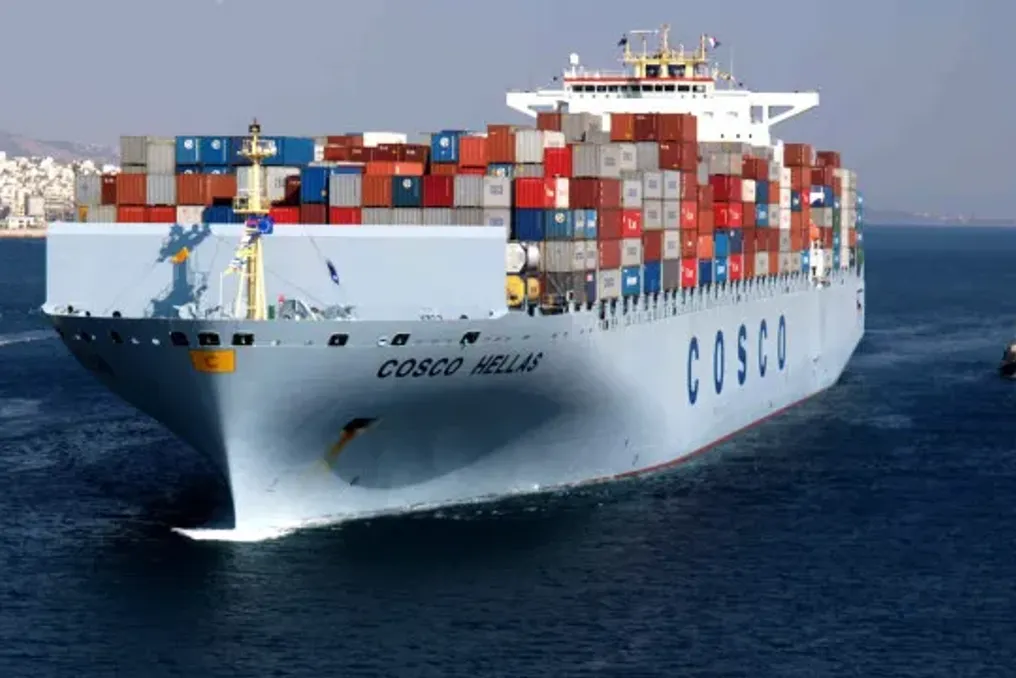
China proposes declaration to create free trade zone within APEC
Read more
noticiasaominuto.com

China proposes declaration to create free trade zone within APEC

China has put forward a draft declaration to the economic states of the Asia-Pacific Economic Cooperation (APEC) Forum aimed at aligning economic policies and trade rules to promote the creation of a regional free trade zone.

Deputy Minister of Commerce Li Chengan stated on Monday that the document is still under discussion and could potentially be approved during the APEC leaders' meeting scheduled for Wednesday and Thursday in the Chinese city of Shenzhen.

According to Li, parties intensified consultations regarding a separate declaration at the summit's press conference in the communications center. The official clarified that Beijing's initiative aims to establish a framework program for the next stage, but no agreement on creating a free trade zone has been announced yet.

The draft Asia-Pacific Free Trade Area (FTAAP) has been on the APEC agenda for two decades; the forum brings together 21 economies and makes decisions by consensus.

In parallel, Li reported that the framework program for cooperation in digital trade, which is being developed under China's leadership, is in the 'final stages of consultation,' according to the official Xinhua news agency.

Work done in this area this year includes initiatives concerning electronic transport documents for sea freight, digital services, and cross-border e-commerce, as well as the establishment of an APEC center to facilitate paperless trade.

In May, the trade ministers of the forum countries approved a roadmap intended to guide regional cooperation in trade in services over the next decade.

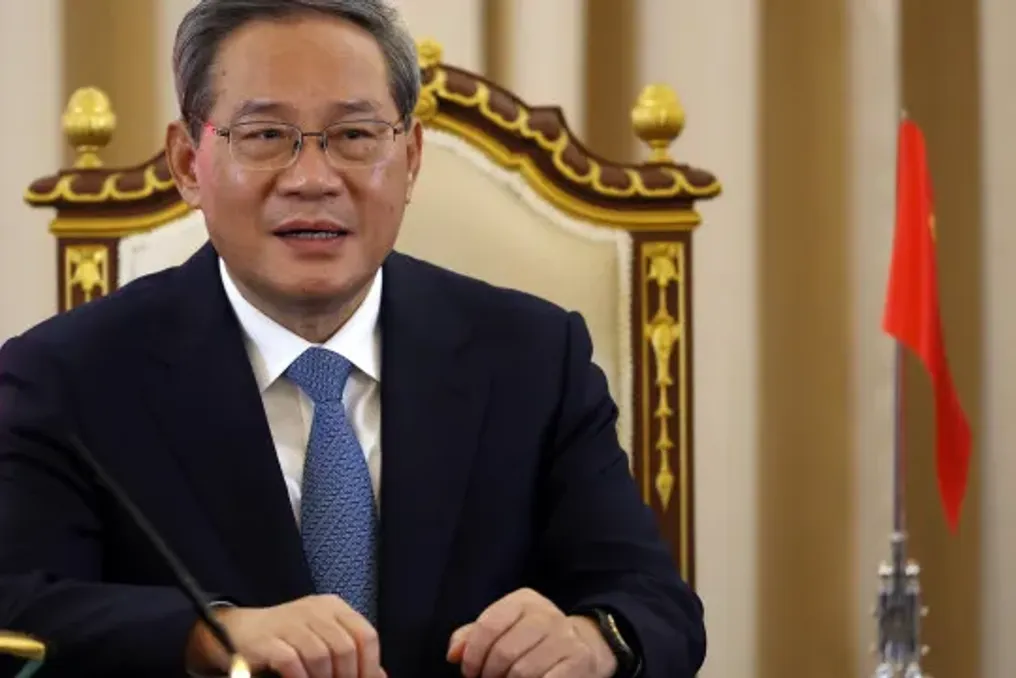
Premier Zhouni reiterates China's full commitment to free trade
Read more
noticiasaominuto.com

Premier Zhouni reiterates China's full commitment to free trade

China's Premier, Li Qiang, confirmed Beijing's full commitment to promoting free trade despite rising trade restrictions. This statement was made during a meeting with Southeast Asian leaders in Manila.

Li stated that despite the increase in economic and trade barriers, China remains fully committed to the principles of free trade. These words were spoken at the beginning of the session with leaders of the Association of Southeast Asian Nations (ASEAN), which is holding its annual summit with partners from Sunday to Tuesday.

The Premier highlighted the growth in trade turnover with regional countries. These countries, along with Europe, have become a destination for growing Chinese exports after the tariff policy introduced by US President Donald Trump.

In the first nine months of 2026, bilateral trade between China and ASEAN reached 6.84 billion yuan (902 billion euros), representing a 22.7% increase compared to the same period last year. This maintains Southeast Asia's status as Beijing's largest trading partner.

Before Philippine President Ferdinand Marcos Jr. and other ASEAN leaders, Li also expressed China's readiness to deepen regional cooperation in areas such as technological innovation, artificial intelligence (AI), renewable energy, and the digital economy.

The China-ASEAN meeting, involving 11 countries including Timor-Leste, takes place ahead of Trump's visit to Manila. The American leader plans to meet with bloc leaders and participate in the Quadrilateral meeting—a cooperation mechanism uniting the United States, India, Japan, and Australia—aimed at countering China's influence in the Asia-Pacific region.

Li's statements are also seen as a message to Washington, as Trump intends to meet with Chinese President Xi Jinping at the Asia-Pacific Economic Cooperation (APEC) summit in Shenzhen, southern China, the same week.

The event occurs during a period of relative trade lull, following the extension of the tariff truce between the two largest global economies until January 2027. Nevertheless, tensions persist regarding US restrictions on advanced technology exports to China.

In addition to economic issues, Li is expected to discuss negotiations on a code of conduct in the South China Sea with ASEAN partners. This region is strategically important for world trade and rich in natural resources. Beijing claims almost all these waters, which overlaps with the territorial claims of several regional countries, including the Philippines, Malaysia, Vietnam, and Brunei.

The Philippines, which chairs ASEAN this year, announced on Sunday that negotiations on a code of conduct are 80% complete, although they acknowledged that the agreement will not be finalized within their mandate, contradicting the initial goal set in Manila.

Territorial disputes in the South China Sea have caused growing tension between Beijing and Manila in recent years, including clashes between the two countries' vessels.

Popular