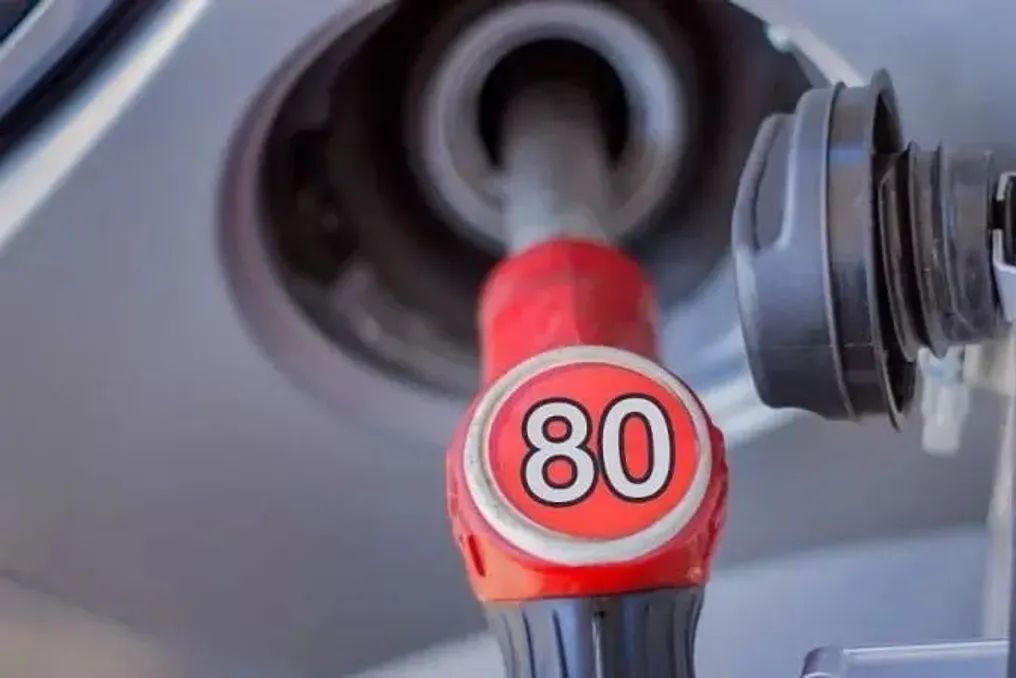
Ministry of Energy clarifies the purpose of AI-80 gasoline listed on the exchange
Read more
Podrobno.uz [uz]
podrobno.uz

Ministry of Energy clarifies the purpose of AI-80 gasoline listed on the exchange

The appearance of AI-80 gasoline in exchange trading sparked public interest in Uzbekistan, as users on social media speculated about a possible resumption of its sales at gas stations.

However, the Ministry of Energy provided clarifications, specifying that this volume of fuel is intended not for retail sale to the public, but for the needs of industrial enterprises.

The department emphasized that the AI-80 listed on the exchange is exclusively intended for companies that use it as raw material for further technological processing. From this raw material, high-octane gasoline and various chemical products can potentially be produced.

Consequently, participation in exchange trading in this case does not imply that the fuel will become available again at regular gas stations. The exchange serves as a platform for selling raw materials to industrial consumers who integrate them into their production cycles.

Furthermore, the Ministry of Energy highlighted that only enterprises possessing the appropriate license for processing can purchase such batches of fuel. This condition narrows the circle of potential buyers and excludes the possibility of freely acquiring gasoline for subsequent retail sale to drivers.

Thus, the presence of AI-80 on the exchange is driven by the demands of the processing sector. Since there are restrictions on the sale of this type of fuel to the public, there is no basis to assume that it will return to the retail network of gas stations.

It was also noted that Uzbekneftgaz ceased selling AI-80 gasoline through exchange trading back in September of last year.
Similar stories

Gas and oil consumption in Uzbekistan increased over 10 years, while gas production decreased
Read more
sputniknews.uz

Gas and oil consumption in Uzbekistan increased over 10 years, while gas production decreased

According to a report by Eni, natural gas consumption in Uzbekistan increased by 53% over the last decade, while oil consumption grew by 75%. Meanwhile, gas production decreased by 14%.

Data from the World Energy Review 2026, published by the Italian energy company Eni, shows that natural gas consumption in Uzbekistan has significantly risen over the past ten years, while production volume has fallen by 14%. This has resulted in gas consumption exceeding domestic production by a noticeable margin.

In 2015, Uzbekistan produced 46.55 billion cubic meters of gas, with domestic consumption at 35.4 billion cubic meters. Thus, production exceeded consumption by 11.15 billion cubic meters. The situation changed by 2025: the country produced 40.16 billion cubic meters of gas, and consumption reached 54.32 billion cubic meters, meaning consumption exceeded production by 14.16 billion cubic meters.

Furthermore, in 2025, gas production increased by 2.4% compared to 2024, but this figure is still below the level of ten years ago. The rise in gas consumption cannot be explained solely by population growth. Between 2015 and 2025, Uzbekistan's population grew from 30.7 million to 37.1 million people. At the same time, total per capita gas consumption increased from approximately 1151 cubic meters to 1466 cubic meters, including the use of gas in industry and other sectors.

In 2025, Uzbekistan imported 19.88 billion cubic meters of natural gas, and exports amounted to 5.72 billion cubic meters. Consequently, the volume of imported gas exceeded exports by 14.16 billion cubic meters, which matches the difference between domestic consumption and production. For comparison, in 2015, Uzbekistan exported 10.22 billion cubic meters of gas; over ten years, export volume almost decreased by 44%. In 2025, Uzbekistan became the largest consumer and importer of gas in Central Asia, accounting for about 76% of the region's gas imports.

Alongside gas, demand for oil and petroleum products in Uzbekistan has also significantly increased. If the daily oil consumption was 84 thousand barrels in 2015, it reached 147 thousand barrels by 2025, representing a 75% increase. Oil production increased much slower: from 66 thousand barrels per day to 81 thousand barrels, an increase of approximately 23%. As a result, if in 2015 the volume of oil production was 79% of consumption, in 2025 this percentage dropped to 55%. These figures relate to the overall balance of oil and petroleum products and are not limited only to the consumption of automotive gasoline.

Parallel to the growth in gas and oil consumption, solar and wind energy are actively developing in Uzbekistan. In 2025, the total installed capacity of solar power plants reached 5934 MW, which is 86% more than in 2024. Wind power capacity increased from 501 MW to 1652 MW. Thus, the total capacity of solar and wind plants more than doubled in one year, reaching 7586 MW. However, installed capacity does not reflect the actual volume of electricity generated, nor does the expansion of alternative energy immediately mean a decrease in demand for natural gas.

Karnataka government claims that E20 branded gasoline contains up to 31.2% impurities
Read more
www.aajtak.in

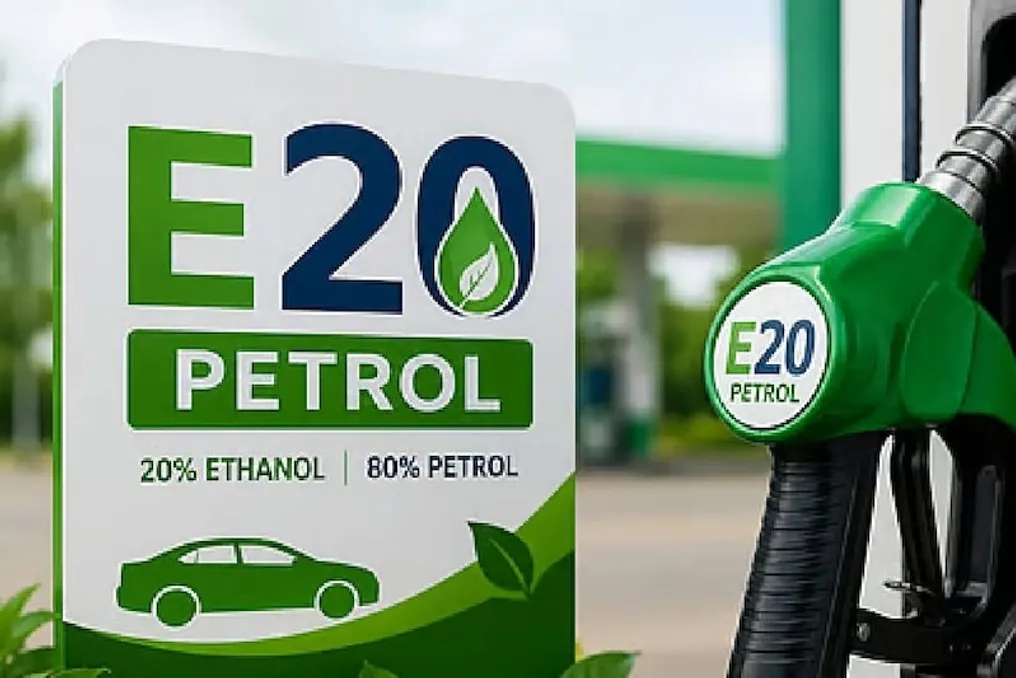
Karnataka government claims that E20 branded gasoline contains up to 31.2% impurities

Discussions surrounding E20 gasoline continue. The government and oil companies assert that only 20 percent ethanol is added to the fuel. However, the Karnataka government has stated that the established limit for ethanol in gasoline supplied by oil companies has been exceeded.

Recently, the Karnataka government collected fuel samples from various gas stations and conducted laboratory tests. According to these tests, none of the samples taken from any gas station met the standard for 20 percent ethanol gasoline; that is, the ethanol content in all sold fuel was higher than the norm.

According to the state government, a total of 63 samples were taken from gas stations of companies such as Indian Oil (IOCL), Hindustan Petroleum (HPCL), Bharat Petroleum (BPCL), Nayara, and Shell. The inspection showed that the ethanol content in samples from seven districts exceeded 20 percent, reaching 31.2 percent in some cases.

The Karnataka government reported that it would send reports of these tests to the central government. The state stated that it conducted these tests after oil companies failed to provide clear answers regarding the exact amount of ethanol in the gasoline.

According to information provided by the state government, IOCL gasoline contained over 31.2 percent ethanol. HPCL gasoline showed 30.5 percent, BPCL showed 26.5 percent, Nayara gasoline showed 26.1 percent, and Shell gasoline showed 25.5 percent.

The higher ethanol content in gasoline can damage vehicles, leading not only to reduced fuel consumption but also to increased maintenance costs. The Karnataka government calculated that if the reduction in fuel consumption due to ethanol blending is 10 percent, annual losses could amount to about 620 billion rupees.

Furthermore, the government reported potential losses of approximately 390 billion rupees due to vehicle maintenance and repair costs. The Minister of the Government of Karnataka, Ridwan Arshad, demanded intervention from the central government on this matter. He proposed creating a special fund to compensate or reimburse vehicle owners who use gasoline with an excess level of ethanol.

Popular