An international report classified Mozambique among the three Southern African countries where humanitarian organizations need to intensify sanitary surveillance due to the increased risk of cholera outbreaks and other diseases linked to the El Niño event.
This alert was detailed in the November 2026 Risk Bulletin published by the international humanitarian organization Action Against Hunger. This bulletin analyzes health and humanitarian risks in various parts of the globe and aids in proactive preparation for such situations.
In the section dedicated to Southern Africa, the report's authors suggest implementing preventive measures in Mozambique, Zambia, and Zimbabwe, anticipating the worsening of climatic conditions caused by El Niño. According to the document, projections indicate 'late and below-average rainfall, long periods of drought, and above-average temperatures,' a scenario that could impact water availability, agricultural production, and food security.
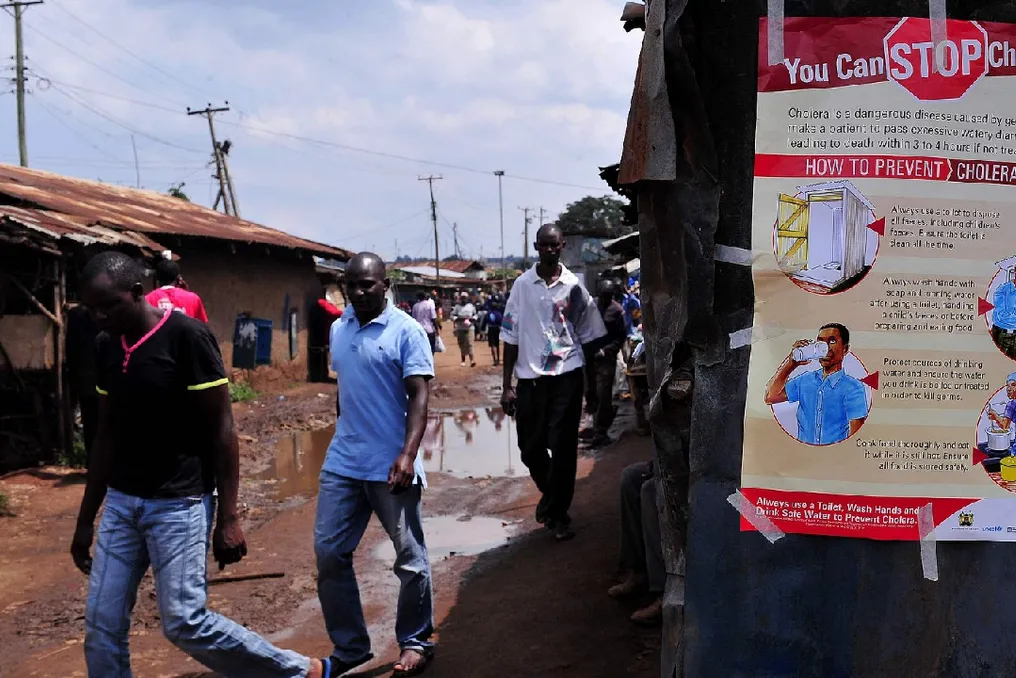
The report warns that these circumstances 'have the potential to raise the risk of waterborne disease outbreaks, such as cholera, and other infections,' especially in areas where sanitation and water supply systems are already fragile.
Specifically for Mozambique, the document points to a combination of elements increasing population susceptibility: 'Conflict, population displacement, and food insecurity are increasing vulnerability to malnutrition and communicable diseases.' It is emphasized that risks are higher among displaced persons and host communities, particularly in the northern regions of the country affected by armed violence.
The bulletin also mentions that 'drought and irregular precipitation patterns can further restrict access to safe water and food,' which exacerbates public health and nutrition problems. Furthermore, the document cites reports of diarrheal diseases and warns of worsening child malnutrition, advocating for early interventions in the health, nutrition, water, sanitation, and hygiene sectors.
This warning comes after Mozambique faced one of the most extensive cholera epidemics recently. Data provided by the National Directorate of Public Health shows that between September 2025 and August 2026, the country recorded 9,708 cases and 91 deaths, with the provinces of Nampula, Tete, and Cabo Delgado having the highest numbers.
At the beginning of 2026, during the peak of the outbreak, there was active transmission of the disease in at least 42 districts, mainly concentrated in the central and northern areas, with over 100 daily cases. The spread decreased after the end of the rainy season in April, ceasing records of hospitalizations and new daily cases.
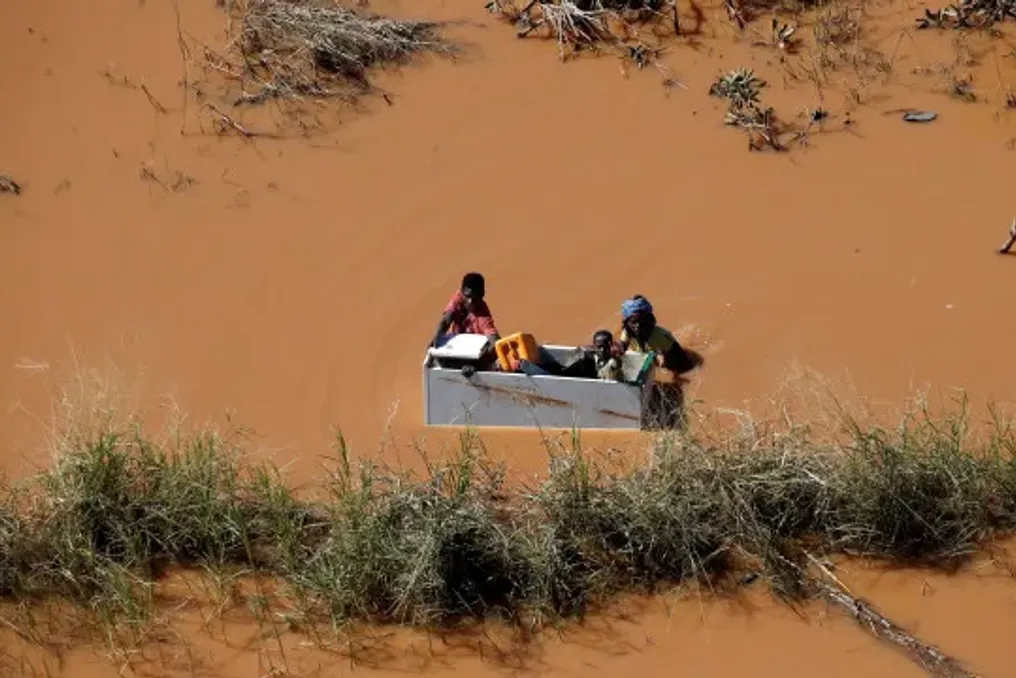
However, cholera remains a constant threat in Mozambique, linked to limitations in access to potable water, inadequate sanitation conditions, and the effects of extreme weather events, including floods, cyclones, and droughts. In response to the recurrence of outbreaks, the United Nations approved an anticipatory action mechanism for cholera in Mozambique this year, aiming for rapid mobilization of funds for prevention before outbreaks worsen.
For Action Against Hunger, the combination of unfavorable climatic conditions, population movement, food insecurity, and weaknesses in water and sanitation services justifies strengthening preparedness in Southern Africa in the coming months, placing Mozambique among the priority countries.