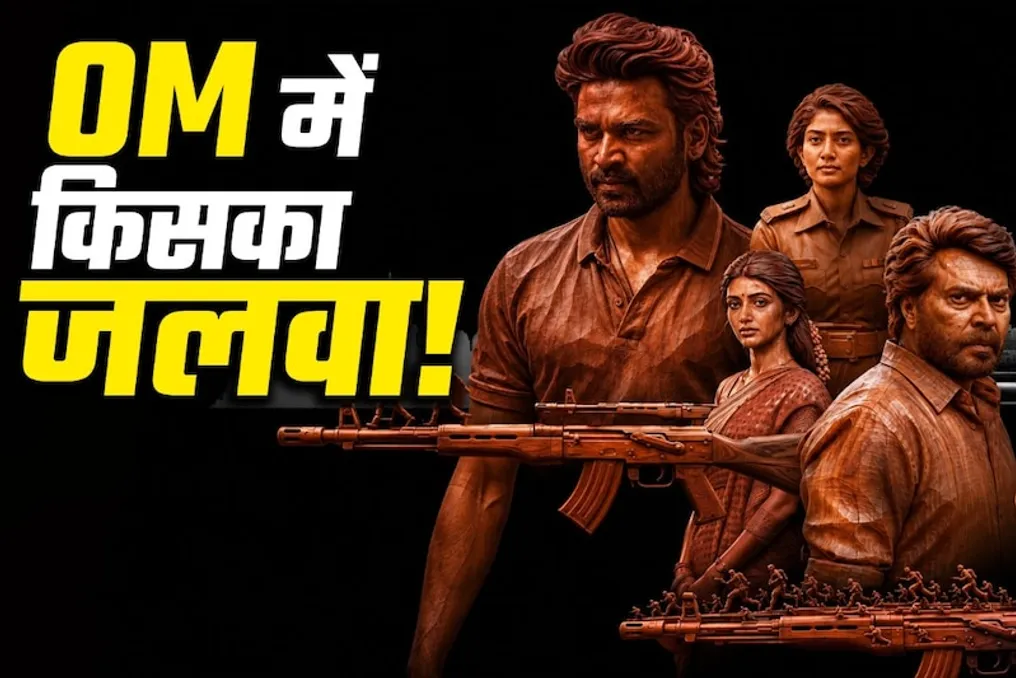
Review of the film 'Om: Operation Mole': Strengths of Dhanush and Mammootty's acting, film rating
Read more
Aaj Tak
www.aajtak.in

Review of the film 'Om: Operation Mole': Strengths of Dhanush and Mammootty's acting, film rating

The Indian film industry regularly releases films capable of surprising audiences with both their plot and presentation. One such release is the film 'Om: Operation Mole,' starring South Indian stars like Dhanush, Mammootty, Sai Pallavi, Shrilaila, as well as Bollywood actor Nasiruddin Shah.

After the first ninety minutes of narration, when the emotional intensity and tension in the story increase, viewers expect Dhanush's character to do something extraordinary and take center stage. However, director Rajkumar Periyasamy takes a different approach, revealing his main character's weaknesses instead of presenting him as an invincible hero. One scene demonstrates the complete psychological breakdown of Dhanush's image, which immediately distinguishes the film from standard crime thrillers.

The main task of the special operations group is assigned to Nithya Reddy (Sai Pallavi)—to eliminate a network smuggling red sandalwood in Andhra Pradesh. Abdul Hamid (Nasiruddin Shah) stands behind all this trade. To infiltrate this network, Nithya sends Palani (Dhanush) on a decoy mission. His target is Burma Karthikeyan, known as Sia (Mammootty), who dominates the Red Hills area in Tamil Nadu.

Palani infiltrates Sia's gang disguised as a photographer named Thirukumaran. Gradually, he becomes an important part of Nithya's mission. However, as the operation develops, a conflict arises between his official duties and personal life. Palani, Nithya, and Sia are forced to confront their difficulties and losses.

Rajkumar Periyasamy's film begins with the theme of red sandalwood smuggling, showing how traders exploit indigenous populations and force them to work. The characters of Dhanush, Mammootty, and Sai Pallavi are detailed, and the motives of their past and mission are revealed. Nevertheless, the film requires a lot of time to advance the plot. The first half is overloaded with excessive information and long dialogues, which hinders the build-up of tension and maintaining viewer interest. Despite the scale and talent of the actors, the film sometimes feels boring.

Despite the thorough exploration of the theme by the director and his team, the amount of information in the first 90 minutes proves counterproductive. In particular, the scenes of marital discord between Dhanush and Shrilaila could have been shortened, as they do not contribute to the development of the main narrative line. The film truly gains momentum around the interval when Palani's (Dhanush's) character experiences an emotional crisis. After this, the story begins to gain stability. Secondary details gradually recede into the background, and the focus shifts to the covert mission, the pain and determination of Nithya Reddy, as well as the transformation of Sia's character. From this point on, the film more deeply portrays the problems of its characters and gains emotional richness.

Rajkumar Periyasamy emphasizes from the beginning that he does not aim to make 'Om: Operation Mole' a thriller where a major plot twist happens every five or ten minutes. The main focus is on drama, emotions, and the consequences of people's decisions. Some decisions are made by the individuals themselves, while others are imposed by circumstances. The film tries to show not so much the excitement of these choices as the hidden pain and human cost behind them.

Nevertheless, the film is not flawless; some weaknesses prevent it from becoming a masterpiece. The first half is too drawn out, and the director avoids risk in certain areas, especially where greater candor was required.

The film does not fully illuminate the issue of indigenous population exploitation. 'Om: Operation Mole' is not just an operation against red sandalwood smuggling; it gradually turns into a story where Palani (Dhanush) acts as a protector and tries to help the indigenous people of Javadu. However, the serious issue of tribal exploitation is shown very briefly. Although the plot raises questions related to injustice, it quickly moves on without delving into them. Similarly, the film touches upon the issue of illegal police detention and the cruelty of a ruthless officer, but then starts emphasizing that there are good people in the police force. This attempt to balance these two aspects weakens the initial questions raised.

For Dhanush, this role is very successful because it demands not only emotional depth but also the ability to think strategically, highlighting his acting skill. Mammootty's character is also very interesting.
Similar stories

Mullan Sajid Rashidi criticizes Javed Akhtar after his statements about the film 'Ramayana'
Read more
www.aajtak.in

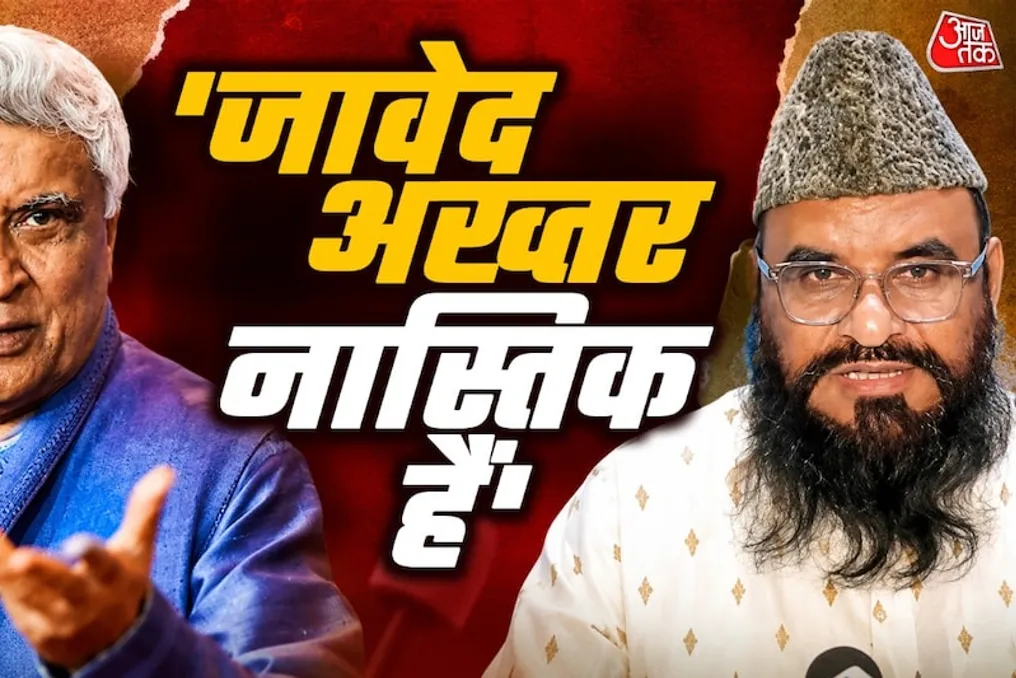
Mullan Sajid Rashidi criticizes Javed Akhtar after his statements about the film 'Ramayana'

Javed Akhtar regularly attracts public attention due to his candid and sharp remarks. A recent dispute arose following Akhtar's comments regarding the film 'Ramayana'. He stated that Lord Rama is not just a personality but an ideal and a way of life, adding that Lord Rama resides in the blood of every Indian, so he will definitely watch the film 'Ramayana'.

These words provoked sharp criticism from Mullan Sajid Rashidi. The Chairman of the All India Imam Association spoke out against Akhtar, labeling him an atheist. Rashidi noted that Akhtar has repeatedly publicly declared his atheistic stance, denying the existence of any gods or Allah.

Mullan Rashidi suggested that Akhtar's current interest in Lord Rama is driven solely by his commercial interests. He stated that Akhtar is a businessman who sells songs in Bollywood and is forced to talk about Lord Rama for his songs to succeed, as 80 percent of the country's population are Hindus. Rashidi warned that if Akhtar does not praise Rama, 80 percent of Hindus might try to boycott him.

Furthermore, Sajid Rashidi advised Javed Akhtar to change his name. He suggested that if Akhtar believes so strongly in Rama, he should 'go home' and take the name Rampal. The Mullan believes that such a decision would be very well received by Indians in the country, given the current trend of 'going home'. He insists that Akhtar must do this voluntarily and adopt the name Rampal.

The leader of the AIAA also noted that people in the film industry support each other for commercial survival. He emphasized that the entire family is connected to the film industry—there are producers, writers, and composers. Rashidi expressed doubt about the feasibility of Akhtar trying to balance both sides, stating that such people 'sell even their faith'. He added that he himself is a Muslim and is proud of it, leading a dignified life, but considers double-dealing wrong.

Previously, during an event on Tuesday, Javed Akhtar spoke about the film 'Ramayana'. He mentioned that he would definitely watch the movie, noting that his daughter Joy had already seen it and highly appreciated it. Akhtar clarified that Rama is not just a person but an embodiment of the ideal, morality, and lifestyle. He stressed that Rama symbolizes virtue and resides in every Indian and their traditions, and that watching and praising this figure touches the soul.

Critique of the film 'Ramayana': remarks on CGI, character portrayals, and plot development
Read more
www.aajtak.in

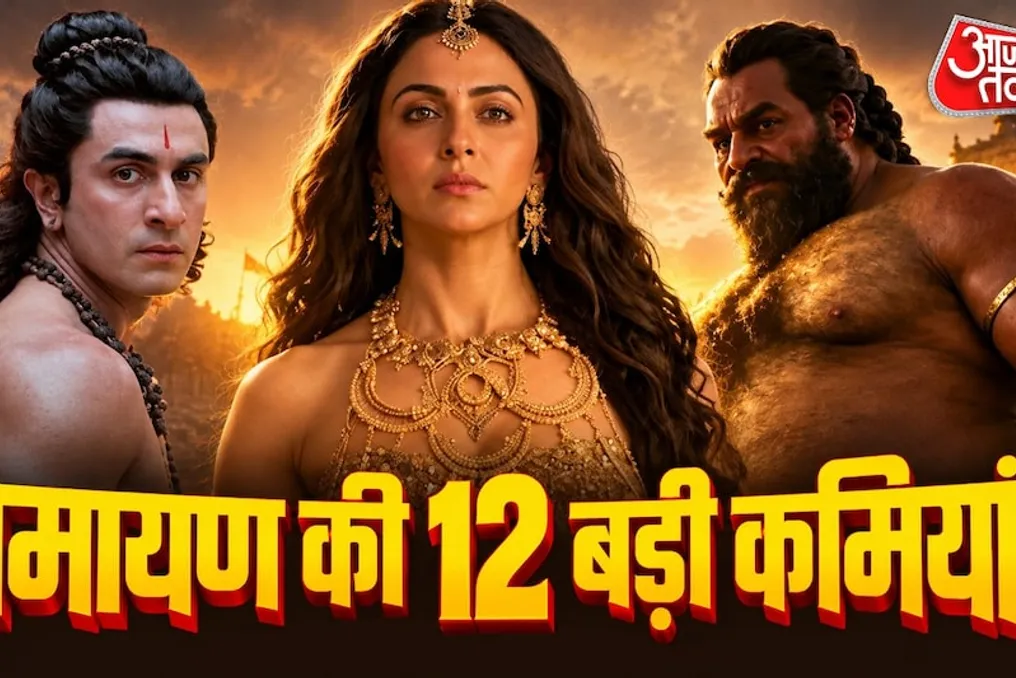
Critique of the film 'Ramayana': remarks on CGI, character portrayals, and plot development

Bringing a great story like the Ramayana to the screen is a complex task that requires preserving not only grandeur but also emotional depth, character dignity, and the seriousness of the mythological world. However, in the film 'Ramayana,' featuring Ranbir Kapoor, Sai Pallavi, and Yash, there is a tendency where the creators seem to have moved away from important aspects of the narrative for the sake of flashy CGI and visual effects.

Looking at the faces and appearance of many characters, the excessive use of technology is clearly felt. Some figures look like cartoon characters, and their mannerisms and presence in the frame do not always align with the spirit of the story.

Even the scene of Rama's exile failed to make a strong impression. When Rama is shown crossing the river by boat at night, this key moment of the Ramayana should have conveyed emotional depth, sacrifice, and the beginning of a new life. But the presentation of the scene did not evoke such an emotional response. Instead of focusing on the state of the characters' souls and the pain of exile, this important moment was reduced merely to beautiful visual effects.

The creators missed the connection between Ravana and Mahadeva. In the Ramayana, Ravana is depicted not just as a powerful king and villain, but also as a devoted follower of Mahadeva. His asceticism, devotion to Shiva, and spiritual side give his personality a special depth. This important aspect is insufficiently addressed in the film. Although the figures of Brahma and Vishnu are shown, Ravana's connection to Mahadeva was not presented convincingly. This is regrettable because devotion to Shiva is an integral part of Ravana's character.

CGI technologies are widely used in the film. The attempt to present the divine world, vast sets, and demons looks grand, but the effect is not consistent everywhere. The faces of many characters appear too digital, which makes it difficult to establish an emotional connection with them. It gives the impression that the emphasis was placed on the excessive brightness of the world rather than its realism.

The portrayal of Kumbhakarna, played by Faisal Malik from 'Panchayat,' looks comical rather than imposing. His appearance and scenes in Lanka are often perceived as comedy rather than something serious. Kumbhakarna is a colossal and influential character in the Ramayana whose presence should inspire fear and a sense of power, but here his image weakens the atmosphere even before he has a chance to influence the viewer.

The battles with demons in the forest were also disappointing due to VFX. When Rama, Sita, and Lakshmana fight a demon and a demoness in the forest, the scene does not make a strong impression. The three heroes run through the forest, and an entire army of Asuras is visible behind them. However, there is a lack of realism in this battle scene. The appearance of the demons and the fights themselves look so artificial that the viewer cannot fully immerse themselves in what is happening. Where there should be fear and excitement, there is the falseness of CGI.

Popular