Residents and animal rights activists in Tashkent demand investigation into the death of cats in Yashnabad district
Read more
Podrobno.uz [uz]
podrobno.uz

Residents and animal rights activists in Tashkent demand investigation into the death of cats in Yashnabad district

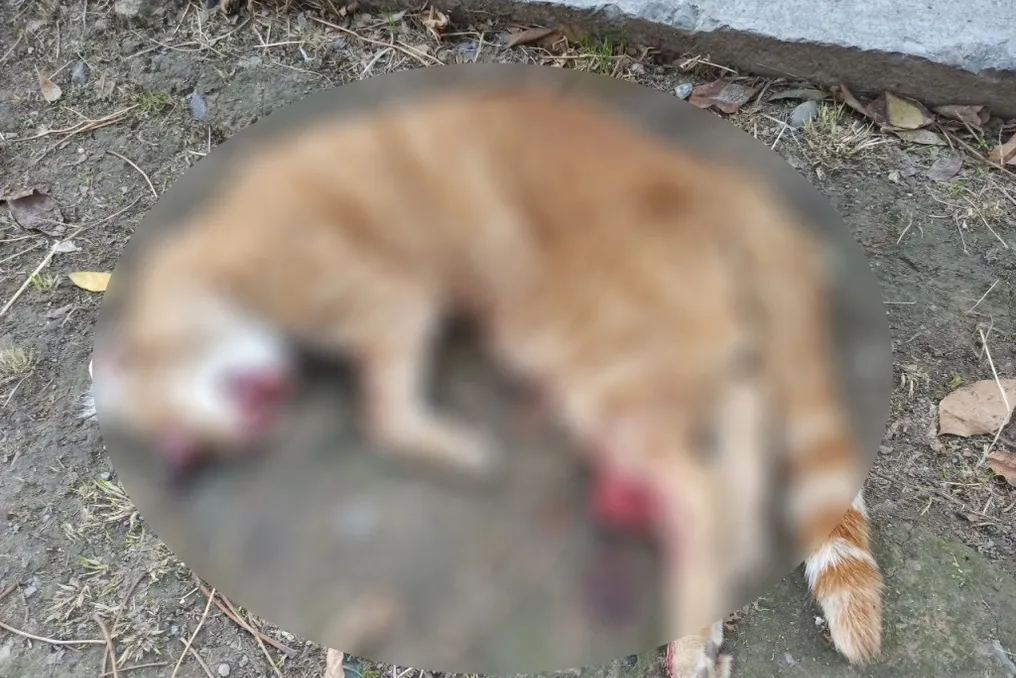
Local residents and animal volunteers in Tashkent insist on clarifying the circumstances of the cruel death of cats that occurred near residential buildings in the Yashnabad district. Meanwhile, the local police officer reported that the video surveillance systems in the area are presumably not functioning.

The incident took place near houses numbered 7 and 3/1 on Elbek Street. Representatives of the public organization 'Ecology' held a meeting with the local officer overseeing this case. The inspector stated that identifying those responsible is currently impossible due to the presumed inoperability of the surveillance cameras.

Nevertheless, residents of the district refute this information and demand an inspection of the video recordings. Animal rights activists call for a comprehensive investigation of the incident, including checking the functionality of the cameras at the time of the incident, preserving possible video materials, and assigning legal assessment.

The association emphasizes that acts of cruelty to animals must not go unpunished and demands that those responsible be held accountable according to current legislation.

This case in the Yashnabad district is part of a series of reports about animal deaths in various parts of the capital. Previously, there were reports of possible poisoning of stray animals in the Chilanzar district, as well as reports of the death of a domestic dog from Mirabad.

Similar stories

Working group established in Tashkent region to address issues related to greenhouse farms
Read more
podrobno.uz

Working group established in Tashkent region to address issues related to greenhouse farms

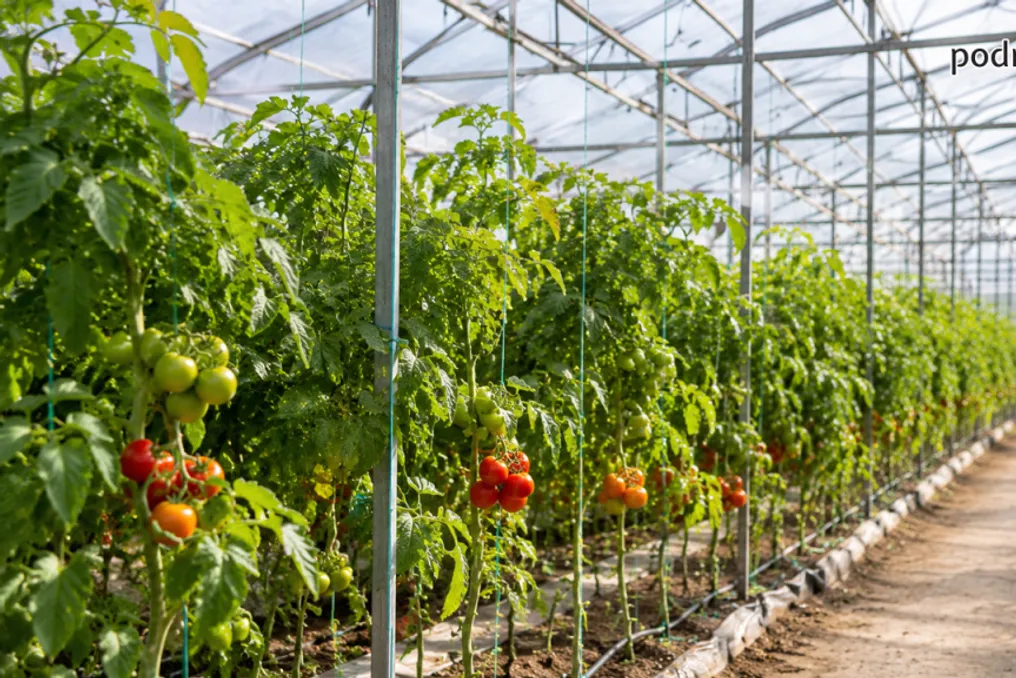
A special working group has been formed in the Kibray district of the Tashkent region. The goal of this group is to study the problems faced by greenhouse farms regarding the implementation of new environmental standards. Specialists are tasked with developing solutions that will allow business owners to comply with established norms and conduct their activities without interruption.

Representatives of the greenhouse sector previously voiced their difficulties during an open dialogue held at the Chamber of Commerce and Industry. The visit to the situation in the Yonarik mahalla of the Kibray district was organized at the initiative of the Chamber itself.

The meeting included the head of the Chamber's department, Sherzod Yuldashev, as well as the deputy director of the National Committee on Ecology and Climate Change, Zafarbek Kayumov, and other representatives of relevant agencies.

The meeting discussed how to apply the requirements stipulated in Cabinet of Ministers Resolution No. 586 of October 22, 2026, to small greenhouse enterprises. Special attention was paid to identifying existing barriers and opportunities for meeting environmental standards.

Finding balanced solutions is critically important because for many families in the Yonarik mahalla, greenhouses represent the main source of income. Therefore, it is crucial to ensure compliance with environmental requirements without creating conditions that could prevent entrepreneurs from continuing their work.

The formed working group has been instructed to conduct a comprehensive study of the raised issues and present substantiated proposals. Currently, group members are working on finding options within the framework of current legislation, taking into account the interests of greenhouse farms.

It should also be noted that a new support program for greenhouse farms using energy-saving technologies came into force in Uzbekistan on November 1, 2026. The state commits to compensating 50% of electricity costs for greenhouses during the winter period—from October to March. This program is valid until April 1, 2030.

Uzbekistan's Climate Resilience Project Enters Top Five Initiatives at COP31
Read more
uzdaily.uz

Uzbekistan's Climate Resilience Project Enters Top Five Initiatives at COP31

Uzbekistan's project aimed at enhancing the climate resilience of the Isfara River hydraulic infrastructure corridor has been selected among five initiatives within the international NBS-IA program. The National Committee for Ecology and Climate Change reported that a total of 109 applications were submitted from countries in Central Asia and Africa.

The initial selection results were announced at the 31st Conference of the Parties to the UNFCCC (COP31), held in Antalya, Turkey. Of the applications received, 44 passed the primary screening, and 20 made it to the preliminary list. Among the first five selected projects were also submissions from Kazakhstan, Mozambique, Kenya, and Algeria.

Uzbek Project Proposal

The Uzbek project proposes using nature-based solutions to protect the Isfara River hydraulic infrastructure corridor from climate threats. The main dangers include flash floods, riverbank erosion, and channel silting. This initiative was prompted by a flash flood on May 1, 2026, when the water flow reached 100 cubic meters per second, approximately seven times the river's average discharge.

This disaster resulted in damage to irrigation facilities, destruction of sections of canals and roads, and silting of water use infrastructure, which harmed agricultural lands. The project includes restoring forests along the river, creating protective vegetation belts, and strengthening banks using bioengineering methods. Furthermore, plans involve restoring degraded pastures in the upper reaches of the watershed.

According to the project goals, these measures should reduce the inflow of fine sediment into the irrigation system by 20–40% and decrease the frequency of mechanical canal cleaning by 20–35%. The project is also aimed at reducing emergency repairs, riverbank failures, and irrigation disruptions by 30–50%. It plans to stabilize 3–8 km of priority river and canal sections serving 15,000–40,000 water users.

During the design phase, the preparation of a technically and economically sound package of investment documentation is anticipated. This package will include engineering solutions, cost estimates, environmental and social guarantees, as well as future infrastructure operation mechanisms.

The selection of this initiative opens the possibility of attracting between $500,000 and $1 million USD for pilot implementation. There is also consideration for securing larger climate investments through the participation of international financial institutions.

The project was developed by an international consortium comprising Italian organizations SWS Consulting Engineering and IRIDRA, the Uzbek company Sustainability Nexus Solutions, the International Water Management Institute (IWMI), and the Botanical Garden and Museum of Sapienza University in Rome. The NBS-IA initiative is implemented by the Italian Ministry of Environment and Energy Security in collaboration with the United Nations Environment Programme (UNEP) and the Organisation for Economic Co-operation and Development (OECD).

Shahboz Akhmedov, Director of the Climate Residency Program at the Central Asian University of Environmental Issues and Climate Change (Green University), emphasized the importance of specialized training and international cooperation when implementing nature-based solutions in infrastructure projects. In the future, approaches developed under this initiative may be applied to other water use facilities in Uzbekistan and Central Asia, combining engineering protection of infrastructure with the restoration of natural ecosystems.
Climate change may accelerate the spread of antibiotic resistance in Central Asia
Read more
uzdaily.uz

Climate change may accelerate the spread of antibiotic resistance in Central Asia

Climate change potentially could contribute to the spread of antibiotic resistance in the Central Asian region. Rising temperatures, floods, and water scarcity can affect the movement of resistant microorganisms, as well as the dissemination of antibiotic resistance genes in the environment.

These risks were voiced by Oksana Kravtsova, a representative of the Central Asia Regional Environmental Centre (CAREC), during an international conference held in Astana on November 19. According to the information presented, climate changes can impact both the survival and spread of microorganisms and the transmission of resistance genes between bacteria.

One of the mechanisms under consideration is horizontal gene transfer—the process of exchanging genetic material associated with antimicrobial resistance between bacteria. The presentation refers to the results of a laboratory study published in the Journal of Hazardous Materials in 2024. In the experiment, increasing the water temperature from 5°C to 30°C led to an approximately 30-fold increase in the frequency of antibiotic resistance gene transfer.

However, the authors emphasize that these data pertain to a specific experimental system and do not imply a comparable increase in antimicrobial resistance, morbidity, or mortality in natural ecosystems of Central Asia.

In addition to rising temperatures, extreme weather events can play a significant role. Floods and heavy rains can carry pollutants from agricultural areas and livestock farms into surface waters, potentially increasing human and animal contact with resistant microorganisms. In turn, droughts and water shortages can alter water reuse practices, increasing the need for effective sanitation and water purification.

Dust storms are also a potential factor, as they can transport microbial material, but their contribution to the spread of antibiotic resistance genes in Central Asia requires further study.

For Uzbekistan, these issues are particularly relevant due to rising temperatures, water scarcity, irrigated agriculture, and intensive livestock farming. It is noted, however, that climate change is not the sole or necessarily primary cause of antibiotic resistance; the main factors remain the use of antibiotics in human and veterinary medicine, sanitary conditions, access to treatment, and the effectiveness of epidemiological surveillance systems.

Within the 'One Health' approach, experts advocate for considering human, animal, and environmental health as interconnected elements of a single system. This approach involves integrating clinical, veterinary, ecological, and climatic data to improve risk assessment and develop preventive measures. For Central Asia, one of the priority areas for future research may be studying seasonal links between temperature, extreme weather events, and the spread of resistant microorganisms. Such studies will help determine which specific climatic factors influence antibiotic resistance in regional conditions and what adaptive measures can mitigate potential risks.

Popular