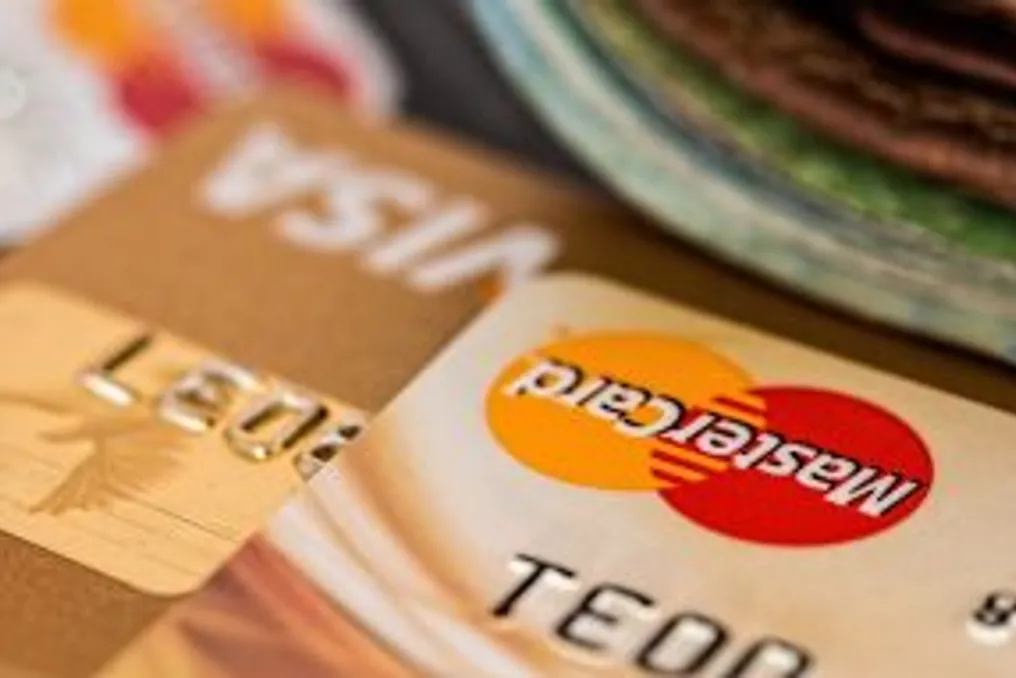
A digital extortion collective named n0n claimed to have released data belonging to customers of the credit card brands Visa and Mastercard, as well as the financial conglomerate JPMorgan Chase. The three institutions confirmed security failures related to third-party suppliers but assured that their own infrastructures and payment processing systems remained intact.
The news of this incident was reported by the Wall Street Journal on Thursday, the 19th. According to the newspaper, files provided by the criminal group contained thousands of customer records.
The n0n group stated that it acquired the information related to the three companies on November 16. It has not yet been determined whether the incidents occurred through the same supplier. JPMorgan communicated that third-party companies providing services to the bank were victims of a cyberattack. A spokesperson indicated that the attackers may have accessed marketing data, including customers' names and email addresses.
An investigation by Reuters identified over 16,000 customer email addresses in the files attributed to the group. Part of these records also included phone numbers and postal codes. However, JPMorgan did not validate the content presented.
Visa confirmed awareness of the allegations and linked the event to a service provider in the Asia-Pacific region. The company emphasized that its internal systems were not breached and that financial data, such as card numbers, was not affected.
Mastercard, for its part, admitted that an external supplier suffered an incident that exposed a limited number of email addresses of participants in a specific benefits program. The company guaranteed that the exposure was controlled and did not compromise its payment network or consumer cards.
Despite the exposure of personal data, the three corporations stated that the events did not cause disruptions to operational activities. JPMorgan informed that it will contact impacted customers, if necessary, and may offer support. Mastercard also declared that it is collaborating with the supplier to assist affected cardholders. Visa, meanwhile, reiterated that it detected no compromise of payment information.
Although there is no evidence that card numbers or passwords were exposed, names, phone numbers, and emails can be used in phishing schemes and other frauds. Criminals can use this data to create fake messages simulating communications from banks and card operators. The episode also raises concerns about the risks inherent in third-party companies that store customer data. In Brazil, a previous leak exposed data of 7.6 million customers of Caixa Vida e Previdência, and another incident affected the National Treasury service portal, revealing registration data of 30,000 people and 4,000 Pix keys.