US Senate Approves Bill Simplifying Implementation of Major Energy Projects
Read more
Noticias ao Minuto
noticiasaominuto.com

US Senate Approves Bill Simplifying Implementation of Major Energy Projects

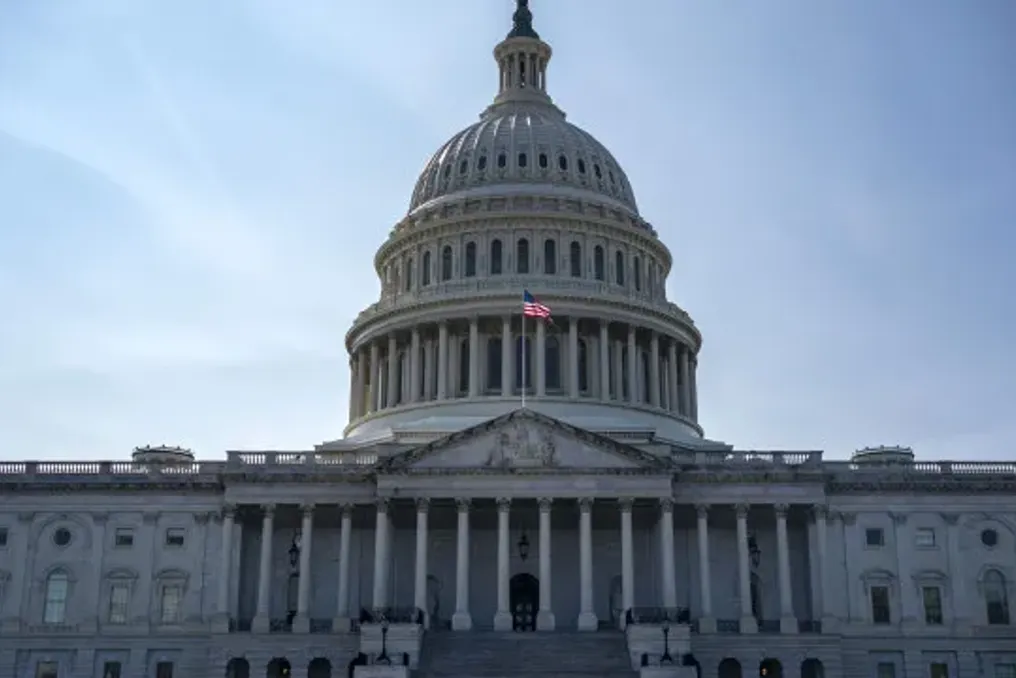
The United States Senate has approved a bill aimed at accelerating the implementation of large-scale projects in the energy, industrial, and infrastructure sectors. After Senate approval, the bill was sent to the House of Representatives for a final vote.

Both major political factions in the country agree that the existing permitting system, which is a complex tangle of outdated laws, requires reform.

Proponents of the bill among Democrats, including Senator Sheldon Whitehouse from Rhode Island, a prominent figure in climate change advocacy in Congress, emphasized that the law will promote clean energy development by modernizing the aging power grid. This will allow more electricity from solar and wind projects located in remote areas to be transmitted to deficit zones.

Most Republicans supported the document, further intensifying the divide between centrist and progressive Democrats, as well as among environmental organizations.

The bill limits the head of state's ability to differentiate between energy sources. This may prevent the Trump Administration from blocking renewable energy sources, but it also prevents a future Democratic president from revoking permits related to oil and gas pipelines.

Furthermore, the document stipulates that data centers must self-finance power grid modernization, although it does not address atmospheric pollution or water consumption issues associated with these facilities.

Josh Fried, a climate and energy expert from the left-leaning think tank Third Way, told the France-Presse (AFP) agency: 'To combat climate change while simultaneously stimulating economic growth and creating new opportunities, we must modernize our energy system and build much more infrastructure.'

The bill passed with a vote of 62 to 33, allowing it to overcome the narrow threshold of 60 votes required to prevent a parliamentary blockade. However, the narrow margin achieved in the Senate could complicate the passage of the text in the House of Representatives, where Republicans currently hold only a slim majority.
Similar stories

PM Surya Ghar Yojna subsidy scheme for solar panels: how much support for a 3 kW installation?
Read more
www.aajtak.in

PM Surya Ghar Yojna subsidy scheme for solar panels: how much support for a 3 kW installation?

If you are concerned about high electricity bills due to the need to use heaters and water heaters in cold weather, the government program PM Surya Ghar Muft Bijli Yojna may be a beneficial solution, as it provides 300 units of free electricity.

Millions of citizens across the country who have connected to this program can enjoy warmth in winter without worrying about electricity bills. In addition to 300 free units, the government offers a significant subsidy (Govt Subsidy In PM Surya Ghar) on the costs associated with installing solar panels on a home roof.

Over 50 million homes are illuminated

The PM Surya Ghar Yojna program was launched by Prime Minister Narendra Modi in 2024. Under this initiative, beneficiaries are provided with 300 units of free energy. Furthermore, people receive financial assistance (Solar Panel Subsidy) for installing solar panels on their home roofs.

According to official data, more than 50 million homes in the country are currently powered by this government program. In Uttar Pradesh alone, over 9 million homes benefit from free electricity under this scheme. The government aims to install solar panels in 10 million homes by 2027.

What is the subsidy for a 3 kilowatt panel?

The main reason for the popularity of the PM Surya Ghar Muft Bijli Yojna program is the government subsidy, which significantly reduces the beneficiary's cost for installing a solar panel. Under PM Surya Ghar, one can install a solar panel ranging from 1 to 3 kilowatts or more, depending on consumption.

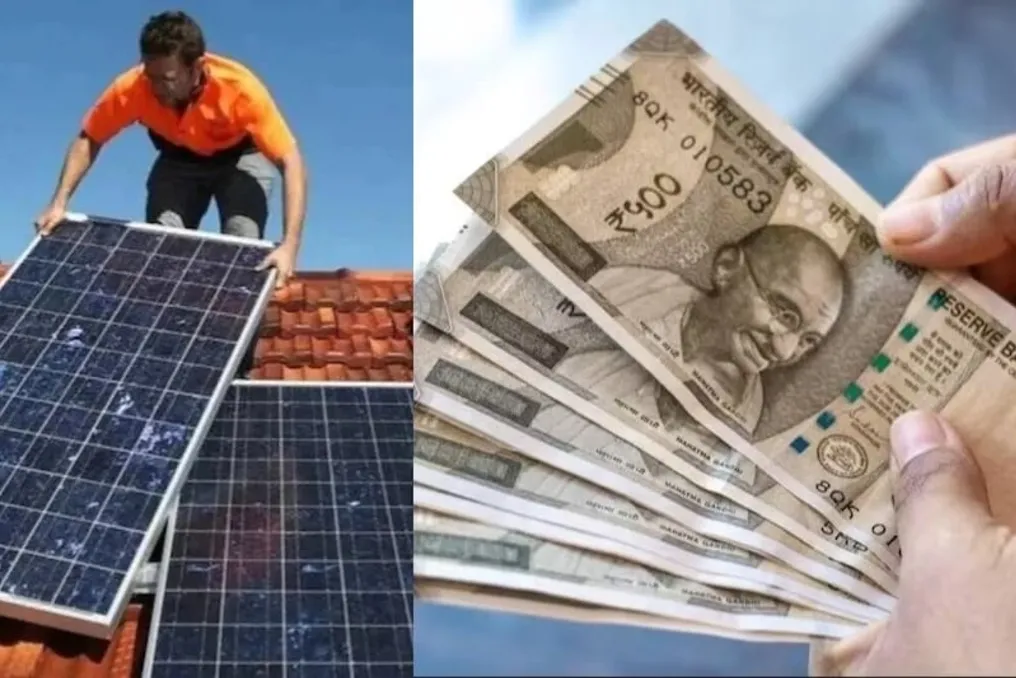
When installing a 3-kilowatt solar panel on a home roof, the total cost is usually around 200,000 rupees. However, only 122,000 rupees will be required from your pocket. This is because the central government provides a subsidy of 78,000 rupees for the installation of a 3-kilowatt or higher panel, and these funds are deposited directly into your bank account or credited to your credit account.

Additional benefit in Uttar Pradesh

In addition to the generous central government subsidy, various states offer supplementary subsidies. If you reside in Uttar Pradesh and install a 3-kilowatt solar panel under the PM Surya Ghar program, you will receive the central subsidy of 78,000 rupees. Additionally, the Uttar Pradesh government will provide an extra subsidy of 30,000 rupees for this capacity under the Solar Mission.

Thus, out of the total installation cost of approximately 200,000 rupees, the government will cover 78,000 and 30,000 rupees, totaling 108,000 rupees. Your actual payment will be only 92,000 rupees.

How to apply in 5 minutes

You can install a solar panel according to your needs and receive the corresponding subsidy. If your consumption is between 0 and 150 units, you can install a 1-2 kilowatt solar panel, for which a subsidy of 30,000 to 60,000 rupees is available. To apply for a loan for solar panel installation under this program, you can contact the toll-free number 15555.

Applying for the PM Surya Ghar Free Electricity Scheme is very simple and takes only 5 minutes via the website https://pmsuryaghar.gov.in. After this, you will receive feasibility approval. Then, you can install the solar panel through an accredited contractor of your DISCOM. After installation, you must apply for a grid meter with station details. After the meter installation and verification by the DISCOM, a commissioning certificate will be issued. Upon issuance, you will provide the portal with your bank account details and a cancelled cheque, to which the subsidy will be credited.

European Parliament and EU Council agree on directive to accelerate renewable energy licensing
Read more
noticiasaominuto.com

European Parliament and EU Council agree on directive to accelerate renewable energy licensing

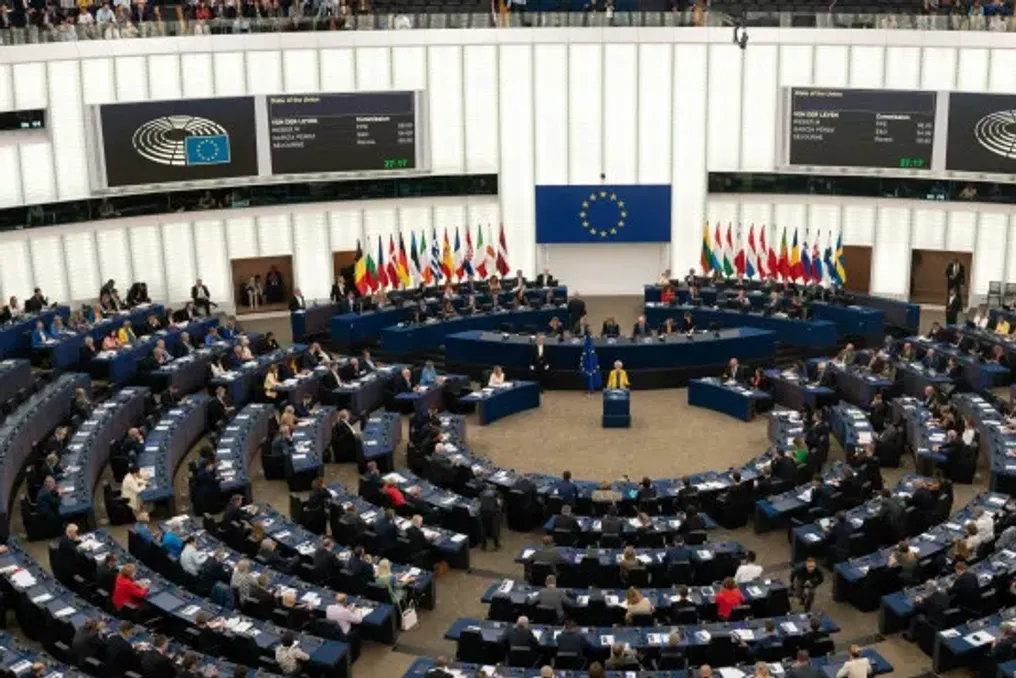
The European Parliament and the Council of the European Union (EU) have reached an agreement on a new directive aimed at accelerating and simplifying the permitting process for projects related to renewable energy sources, electricity grids, and energy storage systems.

The EU Council stated in its communiqué that this directive will help speed up Europe's electrification process and reduce the continent's dependence on fossil fuels. Dragg O'Brien, the Irish Minister for Climate, Energy and Environment, who is currently chairing the EU Council, emphasized the need to create grid infrastructure capable of providing affordable clean energy produced in Europe, thereby reducing fossil fuel imports.

For its part, the European Parliament (EP) noted that simplifying the development of renewable energy infrastructure in Europe through this directive will contribute to lowering energy prices. In fact, the new directive shortens the approval timelines for such projects.

Once the directive enters into force, licensing procedures for solar energy equipment and associated storage systems should not exceed three months. A period of six months is set for autonomous storage and charging stations, and two years for pumped-storage hydroelectric power plants.

To avoid 'administrative bottlenecks' at intermediate licensing stages, the directive provides for member states to consider the absence of a response from authorities as automatic approval.

The connection times for these projects to the grid have also been reduced: they are now three months, with a possibility of extension up to six months in justified cases. An exception is provided for 'isolated or small interconnected systems,' such as in the EU's ultra-peripheral regions, including the Azores and Madeira.

The directive strengthens the concept that renewable energy and electricity grid projects fall under 'overriding public interest,' which allows for the removal of 'numerous administrative obstacles to their implementation,' according to the EP. However, the EU Council reserves the right for member states to opt out of applying this principle if it concerns the protection of security, defense, or cultural heritage interests.

The EP also reported that during negotiations, the threshold requiring a license for small solar installations, energy storage systems (excluding hydrogen), and charging stations was raised. Previously, a license was required for installations over 100 kilowatts, but this threshold has now been increased to 200 kilowatts. Furthermore, the new rules abolish the need for administrative permits for installing charging stations with a total capacity equal to or less than one megawatt.

The new regulations also imply greater involvement of local communities by establishing principles that include the necessity of 'promoting dialogue' with citizens through the 'voluntary appointment of an independent mediator.' In this context, both institutions agreed to lower the threshold for mandatory 'benefit sharing'—that is, the redistribution of project economic benefits among the host or affected communities—from ten to seven megawatts.

The European Commission has already welcomed this agreement, noting that it 'sends a clear signal of the EU's commitment to strengthening and accelerating the expansion of clean energy infrastructure.' The directive must be approved by a plenary session of the European Parliament (EP) and the EU Council before it comes into force.

UN calls on governments to accelerate energy transition and protect vulnerable countries at COP31 in Turkey
Read more
noticiasaominuto.com

UN calls on governments to accelerate energy transition and protect vulnerable countries at COP31 in Turkey

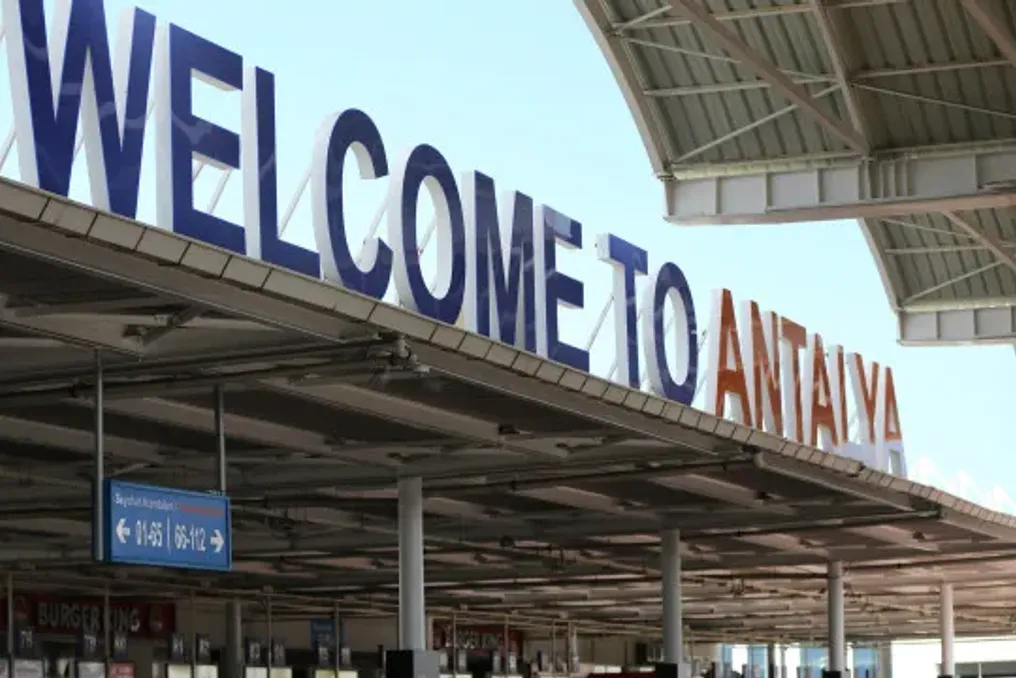
At the opening of the 31st Conference of the Parties on Climate Change (COP31) in Turkey, the United Nations appealed to governments to accelerate the energy transition and ensure the protection of the most vulnerable countries in the face of global warming.

The UN Executive Secretary for Climate Change, Simon Stiel, stated at the beginning of the meeting, which gathered representatives from nearly 200 countries until November 20 in Antalya, that COP31 must promote decisive solutions.

He noted that previous summits served to 'send signals,' such as establishing global goals and directing political and economic decisions. However, given that global warming is exceeding efforts to contain it, it is now necessary to turn commitments into tangible results.

The UN representative warned that 'progress is far from fast or fair' and strongly urged COP31 to accelerate the implementation of agreements through practical measures.

Priorities identified included achieving the tripling of global renewable energy potential by 2030, increasing grid growth, reducing methane emissions, and facilitating access to climate finance.

Stiel emphasized that combining electrification and methane emission reduction could lower projected global warming by half a degree, adding that 90% of large renewable energy projects are already cheaper than fossil fuel alternatives.

He also called for progress in fulfilling the commitment to triple adaptation finance, agreed upon last year at the summit in Brazil, noting that financing remains one of the most contentious issues in negotiations between industrialized and developing economies.

'Deep injustice threatens our solidarity and collective progress,' he warned, pointing out that the most vulnerable populations suffer the most from the consequences of climate change.

COP31 is taking place under an unprecedented arrangement: Turkey holds the formal chairmanship, while Australia leads the consensus-seeking negotiations.

At the conference opening, Turkish Environment Minister Murat Kurum and Australian Climate Minister Chris Bowen called for greater international cooperation in combating global warming. They noted that a world divided by wars, trade tensions, and economic inequality hinders a joint response to the crisis affecting all nations, according to the Spanish news agency EFE.

Kurum warned that international crises reinforce each other and exacerbate the effects of global warming, especially for the most vulnerable populations. He cited the example that drought can affect food prices on other continents, and water scarcity impacts the economy, migration, and security.

The Turkish Minister stated that COP31 should serve to restore international trust, as 'trust is also infrastructure for climate action.' In turn, Chris Bowen called for demonstrating to the world that 'multilateralism works.'

Kurum summarized the ambitions of the Turkish chairmanship with three principles: 'Dialogue, Consensus, and Action.'

Popular