Archaeologists and workers are methodically excavating soil layer by layer on the grounds of the iconic Purana Qila complex to uncover artifacts that testify to India's civilizational journey. In an adjacent trench at the excavation site, which reaches a depth of 6.5 meters, eight layers have been identified, spanning the period from the Mauryan to the Mughal eras. These layers tell stories of once prosperous dwellings, used pottery, preserved wood, and details of daily life that evolved over many epochs of India.
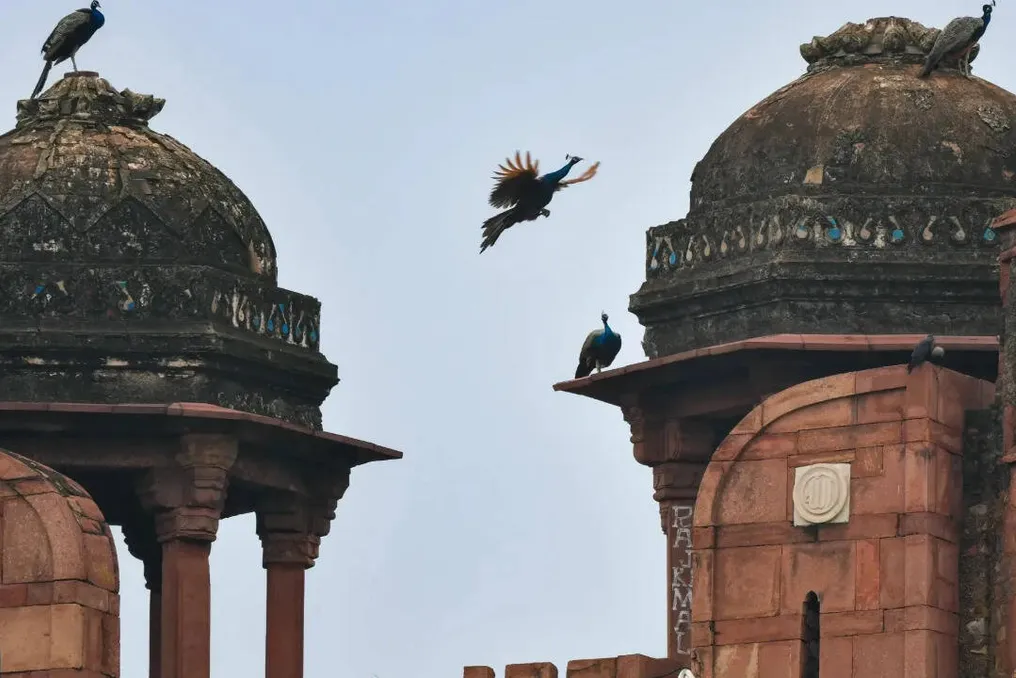
This unique archaeological experience pavilion, which is the first to present the live excavation site and finds made at Purana Qila, displaying Delhi's history dating back nearly 3000 years, will open to visitors starting Monday. Purana Qila, also known as Pandavankula Qila, has been identified as the ancient city of Indraprastha, mentioned in the literary work Mahabharata.
The walls and other structures were built by Sher Shah Suri between 1538 and 1545 after the destruction and reconstruction of Dinpan, a city founded by Humayun, the sixth city of Delhi, around 1533 after his return from Persia.
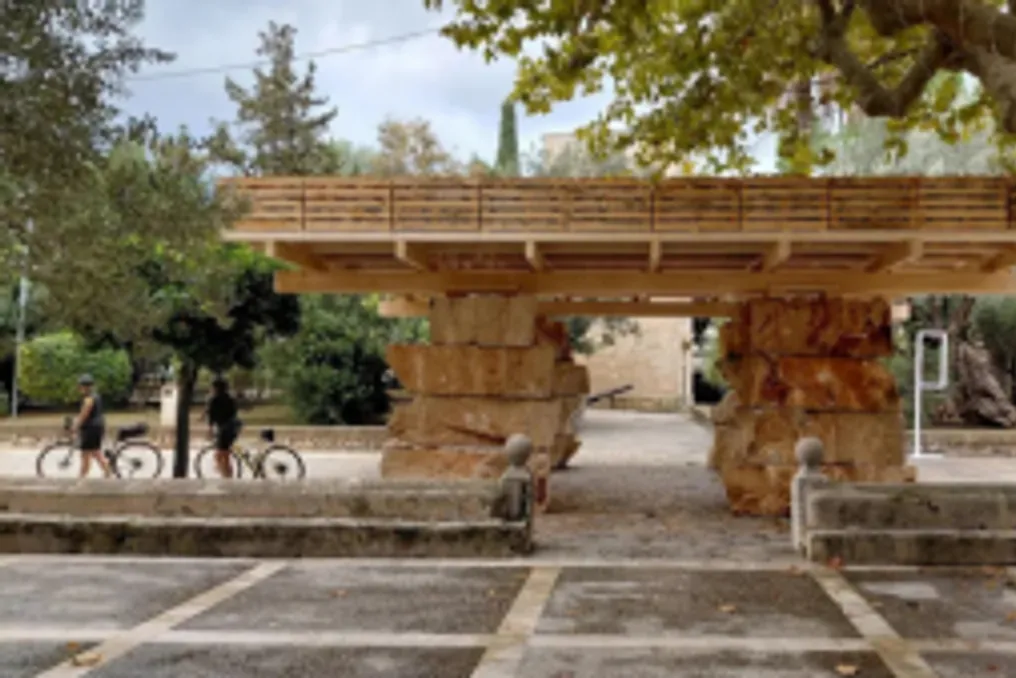
Usually, after excavations are conducted, the area is covered with earth; however, in this case, an exhibition space called 'Astitva'—'The Essence of Our Existence'—has been created so that people can experience the history while preserving the integrity of the site.
Prime Minister Narendra Modi will inaugurate the first Shanghai Cooperation Organisation (SCO) Forum on Civilizational Dialogue at Purana Qila on Friday evening, followed by sessions on Saturday and Sunday. The opening ceremony will include a special program titled 'Dialogue of Civilizations — Cultural Performance.' It will showcase a unique blend of music, dance, visual storytelling, and narration. Based on the theme Vasudhaiva Kutumbakam—the World is One Family—the presentation will highlight cultural ties between India and Eurasia. World leaders attending the Dialogue will also be able to view the 'Astitva' exhibition, which opens on Friday evening.
Director of the Archaeological Survey of India, Vasant Kumar Swarnkar, who has been working at the Purana Qila site since 2013–2014 and supervised the latest excavations in 2022–2023, reported that excavations across the entire complex from the 1950s to the present have revealed a nine-stage cultural sequence, ranging from settlements to the Mauryan period and up to the Mughals, without any breaks.
Among the oldest finds are sherds from Painted Grey Ware (PGW), belonging to the Hauryan level. These will become part of the experience pavilion, which also includes the Mauryan Ashvamedha Yajna, a circular pit, and the Sunga-Kushan house complex, providing insights into ancient rituals, water resource management, and domestic life.
When the publication TOI visited the site on Wednesday, the construction of an elevated platform above and around the trenches was observed, which will allow visitors to observe the exposed archaeological remains. An area, likely a room from the Mughal period house, a Kushan-period brick platform, a Gupta-period rammed floor, Rajput-era ceramics, and a Mauryan-era furnace, was examined.
Through display cases with artifacts and interpretive panels, the exhibition will present visitors finds ranging from ceramics, coins, seals, beads, terracotta figurines, a Kushan-period Gajalakshmi terracotta plate, and a Rajput-period Vaikuntha Vishnu stone sculpture—each revealing stories of craftsmanship, trade, beliefs, and daily life.