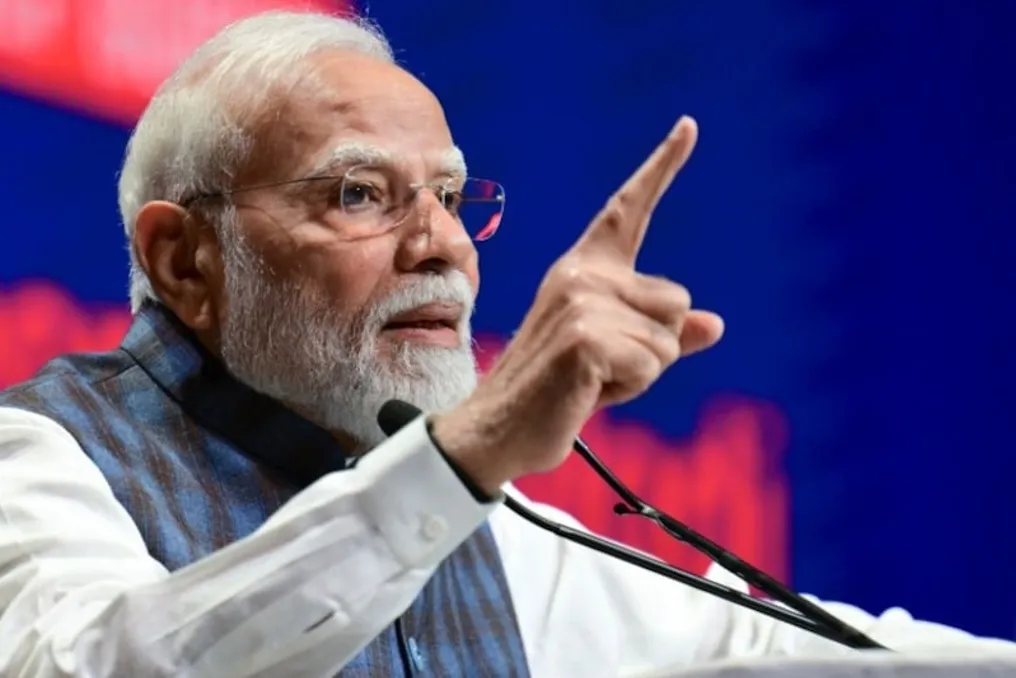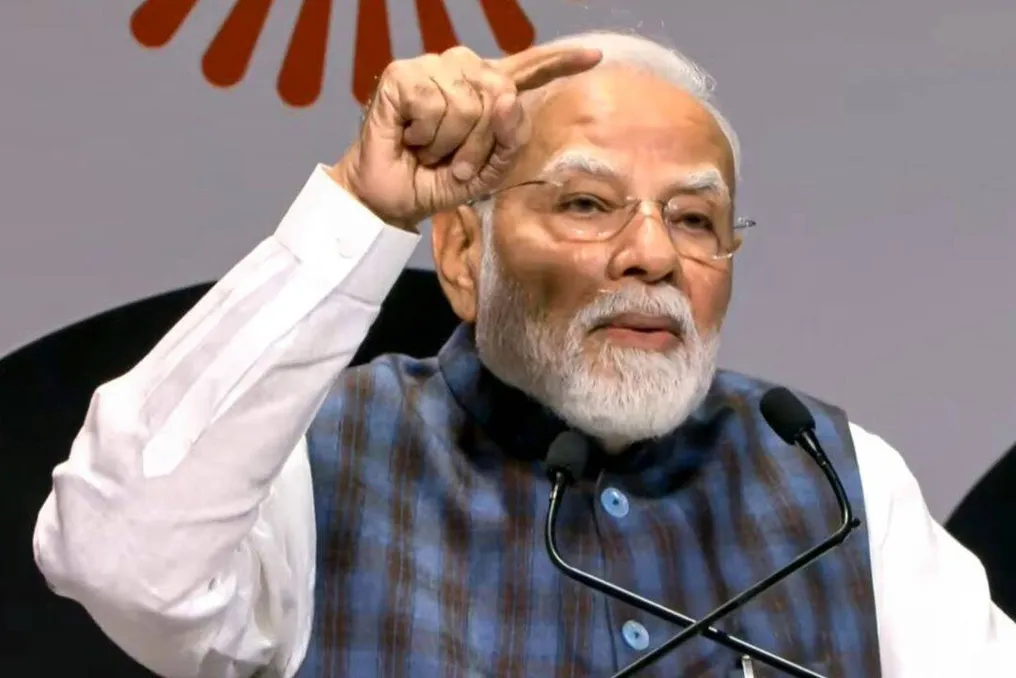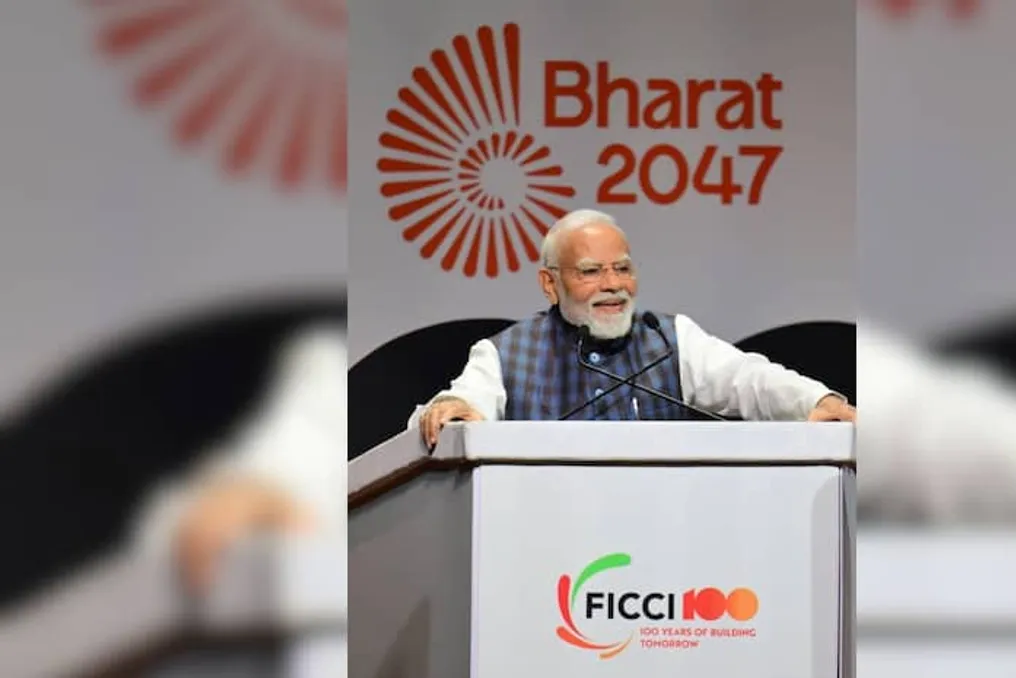
Prime Minister Narendra Modi addressed the annual general meeting of the Federation of Indian Chambers of Commerce & Industry (FICCI), criticizing Indian industry for its persistent reliance on imports in sectors such as metallurgy and pharmaceuticals. He also pointed out that businesses view the vast domestic market as a 'comfort zone' instead of improving product quality and building capacity for global competition.
Modi strongly urged enterprises to abandon complacency, utilize opportunities provided by India's recently signed Free Trade Agreements (FTAs), and invest in studying foreign consumer preferences to develop products tailored to specific markets.
He stated: 'Our domestic market should not be our comfort zone,' emphasizing that the industry must change its approach because 'my compatriots deserve quality.' The Prime Minister questioned the actions of Indian businesses regarding increasing staff and raising salaries, despite the significant reduction in the corporate tax rate from 30% to 22% in 2019 and the tax credit up to 12 lakhs in 2025.
Modi noted that the industry's appetite is such that its stomach will never be full, no matter how much it is given. He also commented on the remarks by Mohandas Pai, an investor and former CFO of Infosys, who thanked Narendra Modi for raising the issues, noting that companies have significantly increased executive compensation while starting salaries have barely exceeded inflation over the last ten years.
The Prime Minister stressed that industry must prepare for future national and international demands and develop corresponding competencies in the era of resource militarization. He advised: 'When making any long-term investment decision over the next 20 years, make 'India first' the foundation. This will make the country self-reliant and open new opportunities for your business growth.'
Highlighting the recently concluded FTAs with major economies, Modi asked the industry about its plans to leverage these opportunities, stating that 'there is no greater historical opportunity than this, and if you do not utilize all this hard work of mine, who will?'
Furthermore, the Prime Minister highlighted India's low share in global agricultural exports, estimated at about 2–2.5 percent, and called on the Indian corporate sector to increase investments in agriculture, food processing, and value addition. He pointed to the growth in the share of processed products in India's agro-food exports from 13% to over 20% in the last 12 years, asserting that more active participation from industry will help the country capture a larger share of the global market.
Modi also singled out the production of hand tools, power tools, and machinery as areas with great export potential, especially in developing countries and the Global South. He criticized the industry for its lack of attention to product quality and neglect of the domestic market, insisting: 'Even today you have to tell them that it is 'export quality'? We must change this mindset. My compatriots deserve quality.'
Calling his government 'Doost Sarkar' (Friendly Government), Modi asked industry leaders to freely provide suggestions for necessary economic reforms. He assured that 'if two out of one hundred points touch a pain point, that will be my shortcoming—you will leave no shortcomings. Both doors of the government and the wisdom of the government are completely open.'
Finally, urging the industry not to remain stagnant while knowing the needs of the domestic market, Modi stated that it is necessary to invest in studying and understanding customer needs in various parts of the world. He added that it is crucial to meet global standards and create distribution networks for products to gain customer trust in the global market and connect them with India.