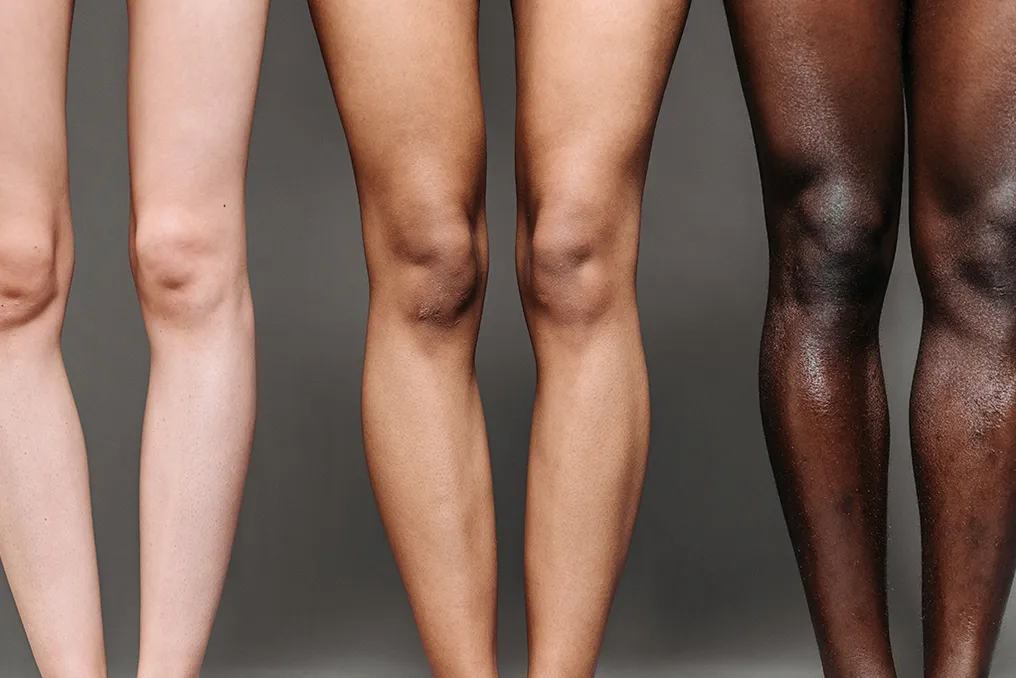
A collaboration between the Ministry of Health and Einstein Israelite Hospital resulted in the development of an artificial intelligence-based system intended to assist public health professionals in screening and identifying dermatological diseases.
This initiative, named CUTIS-AI, operates using images of the patient's skin lesions, along with clinical, epidemiological, and sociodemographic data that reflect Brazilian reality.
Among the pathologies the system is capable of recognizing are sporotrichosis, cutaneous leishmaniasis, leprosy, chromoblastomycosis, lobomycosis, cutaneous tuberculosis, as well as lesions caused by loxoscelic accidents, such as brown spider bites.
The application that enables the use of this AI, although still in the study phase, was conceived after interviews conducted with primary care health professionals. An important feature is that it can be operated even in areas without internet access, currently showing an accuracy rate close to 80%.
It is essential to emphasize that the intention of CUTIS-AI is to serve as an artificial intelligence support tool, not as a substitute for clinical evaluation conducted by health professionals.
Isabelle Carvalho, a data scientist at Einstein Israelite Hospital, emphasized that CUTIS-AI was created to increase the capacity to detect these diseases, which can be an obstacle for professionals, especially in locations with a shortage of specialists. She added that by compiling images of the lesions, a solid database is being established, which will benefit the development of practical technology on the front lines, especially for Primary Health Care.
The study conducted with the application has already evaluated approximately 1,400 patients and has over 4,000 lesion images. This variety of patients helps in training the artificial intelligence with diverse examples, making the model better able to recognize the characteristics of the lesions.
Fabiano Geraldo Pimenta Junior, Secretary of Health and Environmental Surveillance of the Ministry of Health, reinforced the importance of data quality and diversity when it comes to artificial intelligence applied to health. He warned that a technology created from a restricted population may not perform the same way when applied to other groups. For this reason, he considered essential the construction of a Brazilian database that includes different skin phototypes, regions, living conditions, and epidemiological profiles.