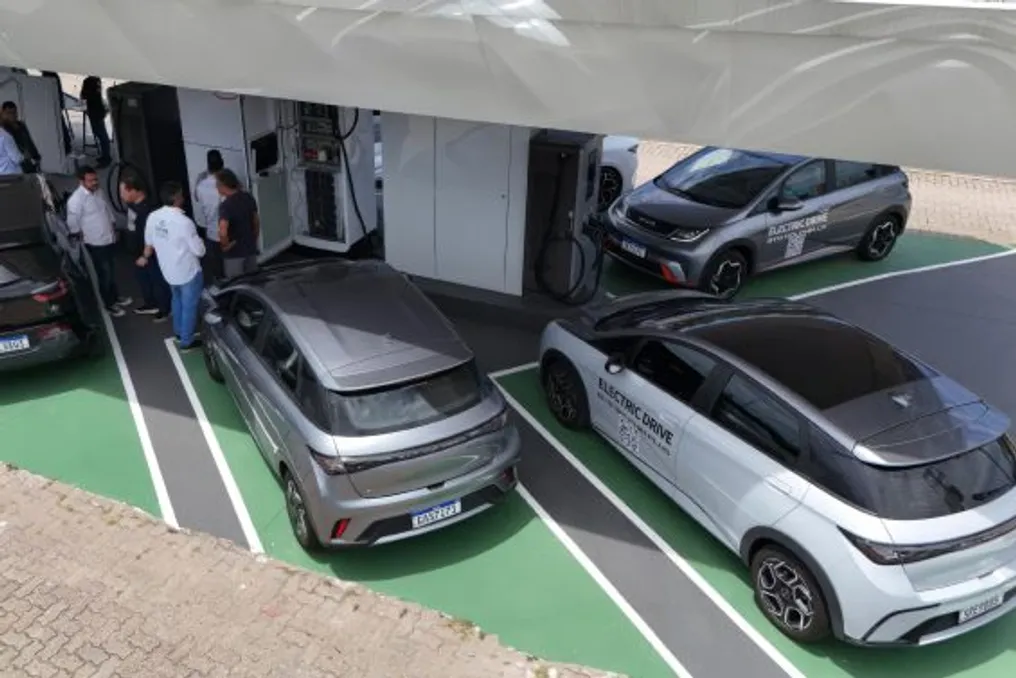
An analysis conducted by AutoPapo, using data from the Fipe Table, revealed that among the best-selling vehicles in Brazil, fully electric models registered the lowest depreciation over the last year.
Specifically, the BYD Dolphin Mini, which leads retail sales, suffered only a 1% drop over twelve months, as did the BYD Dolphin, with a 1.8% reduction. In contrast, combustion engine models in the same list showed an average drop of 8.5%.
The survey compared the price of each version in November 2025 with the corresponding price in November 2026, meaning it evaluated the same vehicle after one year of use. 105 versions of 15 models present in Fenabrave's best-selling rankings were analyzed, all priced between R$ 100 thousand and R$ 210 thousand.
At the top end of the list are the Jeep Compass, with a depreciation of 13%, followed by the GWM Haval H6, with 10.9%, and the Jeep Renegade, with 10.8%. Hybrid vehicles constituted the group with the worst performance in the survey, registering an average loss of 9.9%, even surpassing the drop rate of combustion engine cars.
After discounting inflation for the period, calculated at 4.58% by the IPCA, all depreciation rates increase: combustion engine cars had an effective loss of 12.5%, hybrids of 13.8%, and electric cars of 6.1%.
The data points to two main reasons for this variation. The first is tax-related: since July 1st, imported electrified vehicles have been subject to a 35% import tax, reaching the ceiling of a schedule that began in January 2024, when the rate for 100% electric vehicles was 10%. This impact is visible in Fipe: the table price of a brand new electric car rose by 2.1% in twelve months, while that of combustion engine models fell by 0.4%, indicating that the used vehicle does not lose value when the new equivalent becomes more expensive.
The second explanation comes from a study by the consultancy Bright, which indicates that electric cars costing up to R$ 170 thousand lost 7.9% of their real value in one year, compared to 13.4% for combustion engine models in the same range. The consultancy attributes this result to the still limited supply of used electric vehicles, improvements in charging infrastructure, and increased battery warranties.
However, this result does not apply to all electric cars. By applying the same statistical method as AutoPapo to 197 electric versions from various brands sold in the country, the average depreciation rises to 11.3%, concentrating on higher-value models. Above R$ 250 thousand, the analyzed electric cars suffered a loss of 12.5% in twelve months. The most extreme examples are all imported: the 2023 Porsche Taycan Turbo S depreciated by 30.2%, falling from R$ 953,724 to R$ 665,521; the 2024 Chevrolet Equinox EV, by 27.3%; and the 2024 Nissan Leaf, by 27.2%.