Amazon Pay customers in small towns are seeking credit products
Read more
Business Standard
business-standard.com

Amazon Pay customers in small towns are seeking credit products

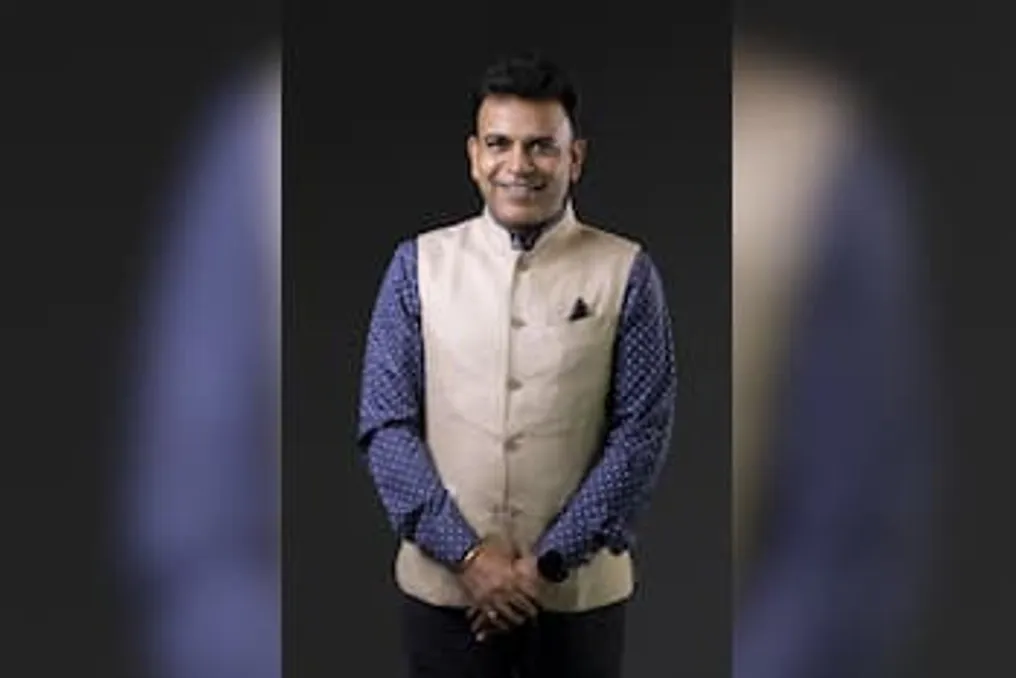
More than seventy-five percent of Amazon Pay users now reside outside India's major cities, and an increasing number of them are using the app to obtain loans. During Amazon's Great Indian Festival sale, installment transactions without extra charges in tier-three cities grew four times faster than in metropolitan areas, according to Vikas Bansal, CEO of Amazon Pay India.

Over the next three years, Bansal plans to expand Amazon Pay beyond payments to include credit and insurance services. He posed the questions: 'Can I provide insurance to every Indian? Can I give a loan to every Indian?'

This push comes as Amazon Pay India's net loss increased by about a third, reaching ₹1,149 crore in fiscal year 26. Bansal declined to disclose when the division will reach break-even or what the size of its credit portfolio is. He noted that his priority is customer acquisition and improving the division's economic performance.

Thanks to its digital model, which does not require physical presence in different locations, the company maintains low costs. Furthermore, last year, Amazon acquired Axio, formerly known as Capital Float, for an estimated $200 million after approval from the Reserve Bank of India (RBI). This deal, which Amazon called one of the largest in India, led to full ownership of a partnership that had existed for over six years within Amazon Pay's Buy Now Pay Later services.

Bansal stated that the acquisition of Axio was aimed at deepening the company's presence in second, third, and fourth-tier cities, reducing the cost of borrowing, and expanding distribution. He asked, 'Can we double, triple our customer acquisition compared to today?' While he declined to disclose lending revenue or profit data.

The Amazon festival sale, running from October 8th to Bhai Dooj on November 11th, attracted over 3.93 billion visits, about 70 percent of which came from regions outside megacities. Sales volume grew by more than 50 percent compared to the previous year. Customers purchased premium phones and large televisions despite rising prices due to more expensive memory chips and the weakening rupee.

Easy access to credit played a role. EMI expenses grew by 40% year-over-year (Y-o-Y) and accounted for half of the spending on mobile phones, televisions, and home appliances. No-interest installments made up 90% of all EMI expenses and were chosen 25% more often than last year. Within Amazon Pay Later, EMI expenses doubled year-over-year, and disbursements grew by 30%.

The number of Amazon Pay UPI customers increased by 40%, and transactions by almost 50%; two out of five customers chose UPI. Amazon Pay Balance customers more than doubled, and transactions grew nearly 2.5 times. Users of the Amazon Pay ICICI Bank Credit Card grew by 25% year-over-year, and repayment tenures of 12 months or more tripled.

According to the How Urban India Pays Report 2026 by Amazon Pay and Pahlé India Foundation, urban Indians make daily digital payments but have limited trust in digital lending. Although 88% of consumers are aware of digital credit, only 31% use it. UPI leads in five out of six spending categories, and 75% of respondents used a financial product through their payment application. The survey covered 5,149 consumers and 1,054 merchants in 100 cities across 20 states.

The report shows that consumers generally trust their payment applications, rating them 4.11 out of 5 for security and 3.98 for payments. However, this trust drops to 3.10 when the same application offers credit. This gap can be bridged: 51.5% of consumers stated they would take a loan through their app if fraud protection was guaranteed, compared to 16.7% who would refuse.

Bansal emphasized that trust is one of the biggest hurdles. Consumers worry about whether they understand the terms, whether what they see matches what they receive, and about fraud. He noted that digital lending has not yet gained the trust that digital payments have, and it requires more robust consumer protection and dispute resolution mechanisms.

After Diwali, under new rules from the National Payments Corporation of India (NPCI) and the Ministry of Finance, a merchant discount rate of 0.4 percent applies to certain person-to-merchant transactions via UPI exceeding ₹2,000. Bansal stated that the industry has long sought such a framework so that payment firms and banks can invest in new technologies while helping merchants move away from cash.

Bansal also expects that artificial intelligence (AI) will allow financial services to be tailored to individual customer needs rather than broad segments and help build trust. Regarding liability, he said companies will remain responsible for actions within their control. 'I don't think the rules of the game will change as much as how our delivery method changes.'

Bansal, who worked in credit business at Visa and Amex, noted that the biggest difference in India is the scale of unmet need. 'Digital credit remains very low, insurance is very, very low, in single digits. The size and scale of opportunities are huge.'

Similar stories

Amazon sales of two-wheeled vehicles increased sixfold during the sale
Read more
www.aajtak.in

Amazon sales of two-wheeled vehicles increased sixfold during the sale

Online shopping popularity is growing significantly in the Indian market. Previously, consumers purchased household goods, then phones, and now they have started buying two-wheeled vehicles online. According to a recent report from Amazon India, people in India are actively purchasing two-wheeled transport online, although the company did not disclose exact figures.

According to Amazon, after the start of the Great Indian Festival 2026 sale, the growth in the two-wheeled transport category on the platform was six times higher than the average for normal days. This means that if the platform sold one two-wheeled vehicle on a normal day, this figure reached six during the sale.

The company noted that demand increased for both electric scooters and traditional motorcycles for daily commuting, and buyers also began purchasing premium motorcycles online. In the company's opinion, the share of small towns in online purchases is growing rapidly; over 60 percent of the total volume of two-wheeled transport sales on the platform comes from cities that are not metropolises.

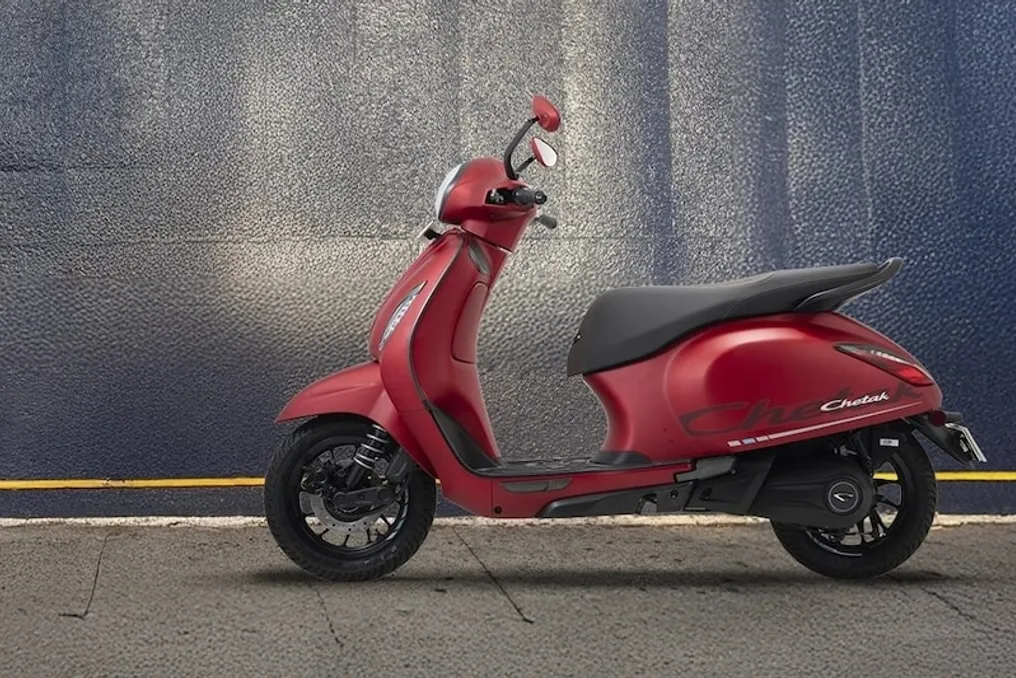
Among the brands popular with buyers on Amazon, Chetak and Ampere stand out in the electric segment. As for traditional Indian manufacturers, Hero MotoCorp and Bajaj Auto models are most in demand. Additionally, international brands such as Triumph and KTM attract attention in the premium motorcycle segment, indicating that users are interested not only in affordable models but also in expensive transport.

The trend of online purchase of two-wheeled transport is not limited to large cities. Over 60% of sales come from non-metropolitan areas, including cities such as Surat, Kota, Bhubaneswar, Prayagraj, Nellore, Warangal, Amritsar, Ludhiana, Belagavi, Kanpur, and Bilwara.

Good growth was also observed in the electric vehicle segment. According to Amazon, during the Great Indian Festival sale, the demand for electric vehicles increased eightfold compared to average figures. Consumers in the automotive market have moved from buying only bikes and scooters to purchasing other items such as helmets, dashcams, riding gear, car air fresheners, car vacuum cleaners, as well as spare parts and car care products.

The company also reported that its auto store saw a 2.2 times increase compared to average days, indicating that consumers are purchasing not only the vehicles themselves but also accessories for their maintenance and care online.

Amazon launches installment system without card in Brazil, with up to 12 installments option
Read more
tecnoblog.net

Amazon launches installment system without card in Brazil, with up to 12 installments option

Amazon announced to Tecnoblog that it has started offering a new installment system that does not require a card directly within its application. With this, the e-commerce platform aligns itself with rivals such as Mercado Livre and Shopee, which already provide a financing option for purchases without depending on a credit or debit card.

This new feature is in the implementation phase and may not be accessible to all users. The feature, called Amazon Credit, is displayed on both the Amazon website and app, and only account holders can request it after undergoing a credit assessment.

The documentation provided by Amazon mentions the incidence of fees and interest, but the financial details are revealed only to the end consumer. It is important to clarify that this system does not constitute a loan, but rather a balance intended for the installment payment of acquisitions.

Amazon informed that the introduction of this modality will occur gradually, advising interested parties to periodically check the availability of the option. Amazon Credit serves as an alternative to traditional purchases made with a credit card, aiming to expand purchasing possibilities, following the model adopted by competitors such as Shopee, which has SParcelado.

The credit limit and the number of installments granted vary according to each customer, and not everyone will initially receive the benefit of 12 installments. This condition may change depending on usage history and timely payment compliance.

Tecnoblog investigated that the operation of Amazon Credit is not conducted directly by Amazon. In fact, the consumer formalizes the financial agreement with Celcoin Sociedade de Crédito Direto, an entity registered under CNPJ 48.632.754/0001-90, which has authorization from the Central Bank.

There are basic criteria for those who wish to obtain Amazon Credit. According to the company, it is mandatory to be between 21 and 75 years old, have a minimum monthly income of R$1,500, and present valid documentation, in addition to residing in Brazil. All customers who have an active account on Amazon can apply for Amazon Credit, but prior approval through a credit analysis is essential.

After approval, the credit system appears on Amazon. It cannot be used for loans or for purchases on external platforms. Once activated, one simply selects this option during the payment process.

E-commerce platform promotes Amazon art and crafts to the national market
Read more
g1.globo.com

E-commerce platform promotes Amazon art and crafts to the national market

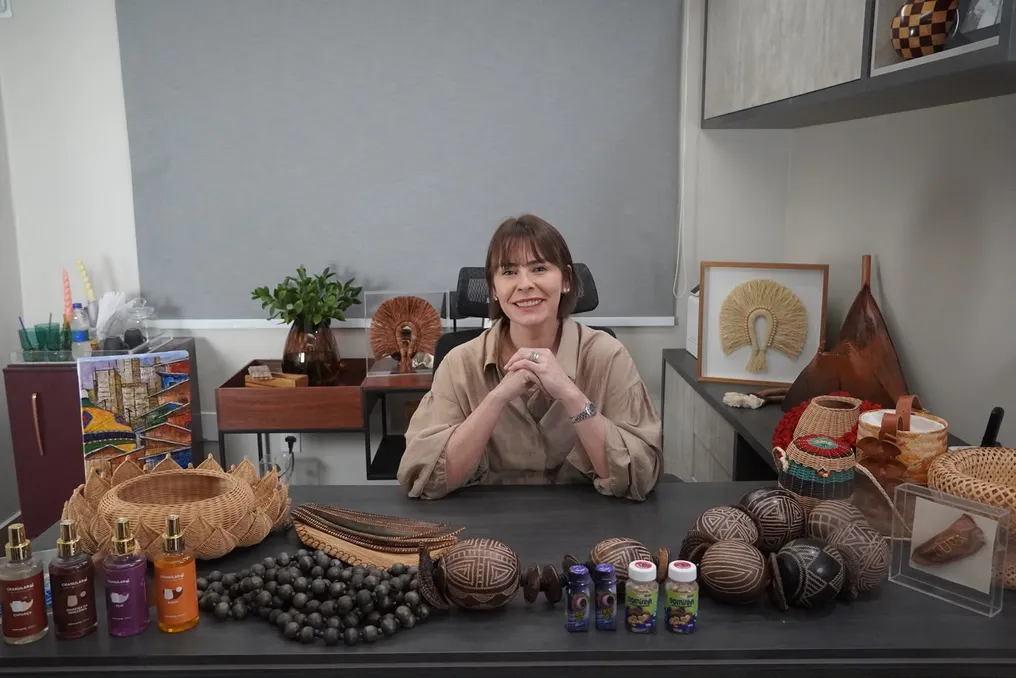
Made in Amazon was created with the purpose of being more than just an online store; it functions as a link between producers and residents of the forest and an audience that would otherwise have difficulty accessing these works outside the region. Thus, the platform aims to give visibility to artists and communities from the Amazon in Brazil and on the world stage.

For an item originating from the Amazon bioeconomy to become a commercial asset, it is necessary to go beyond good presentation. According to Pamela Mota Oliveira, the platform's founder, the process begins with rigorous selection. She explains that they seek a keen eye, a curation that combines contemporary elements with traditional craftsmanship, recognizing that the consumer, whether tourist or not, has high expectations for quality, and that pieces with Amazonian identity add differentiated value.

The manager emphasizes that the challenge is to demonstrate that modern style and craftsmanship are not mutually exclusive. The goal is to reinforce that the products, even if handmade, can be applied in multiple ways—whether to decorate a space, create jewelry, put together an outfit, or even a recipe—presenting them as modern and timeless.

Rita Prossi, a partner biojewelry designer, exemplifies this proposal by transforming Amazonian fibers and seeds into original pieces that now reach markets outside the state. Rita shares that her childhood took place in Itacoatiara, in the Eva Paraná, experiencing a riverside life with strong contact with nature. She states she has been a poet since early on, and poetry guided her to become a jewelry and fashion designer. Her start was in crafts in São Paulo, but upon returning to Manaus, she established a jewelry store in Academia Cagim, where she conceived the first symbols of her riverside childhood, such as the canoe, paddle, sieve, fan, bow and arrow, sapé, and turtle.

While researching a durable fiber capable of replacing chains, Rita discovered arumã, a fiber used by indigenous peoples, and began working intensively with it. She highlights that what unites her first creations are the Amazonian fibers and seeds, keeping the connection to her childhood alive.

Another artist integrated into the Made in Amazon group is Katula Garcia, a textile art specialist, who uses manual techniques to produce original pieces inspired by Amazonian culture. For Katula, witnessing her work transcend the borders of Amazonas encapsulates the meaning of this collaboration. She describes the experience as extremely rewarding, feeling fulfillment and recognition when seeing her works reach people from various places through Made in Amazon. Katula emphasizes that each piece carries a fragment of her history, creativity, and artisanal dedication, and that the support of people from other states motivates her to further expand textile art.

Popular