Competition for the second spot in the Indian passenger vehicle (PV) market is intensifying between Tata Motors and Mahindra & Mahindra (M&M), with electric vehicles (EVs) becoming a key differentiator. Both automakers are increasing production capacity to meet demand.
Tata has held the lead over Mahindra for most of the fiscal year 2026-27 (FY27), although the gap between the companies has fluctuated significantly. According to data from the Federation of Automobile Dealers Associations (Fada), Mahindra briefly overtook Tata in September, leading by only 89 vehicles, but Tata then regained second place in October with a lead of 8,467 units.
From April to October, Tata registered 417,559 passenger vehicles, while Mahindra sold 389,435 units, giving Tata an aggregate advantage of 28,124 vehicles. Maruti Suzuki India dominates the market, and Hyundai Motor India, which traditionally held second place, has lagged behind both Tata and Mahindra in recent months.
Fada data shows that from April to October, Maruti Suzuki was the leader in retail registrations of PVs, followed by Tata, Mahindra, Hyundai, and Toyota. Although Hyundai maintained fourth place throughout the period, Toyota held fifth place until September, after which it was overtaken by Kia in October.
Sai Giridhar, President of Fada, noted that 'there is a fierce race between Tata and Mahindra for the second position. This time, Tata has significantly pulled ahead of Mahindra and has a healthy buffer of about 9,000 vehicles. Last month, it was a minor difference.'
The Two-Way Race for Second Place
The rivalry between Tata and Mahindra remained very close throughout the fiscal year. In April, Tata led Mahindra by 2,452 registrations, and the gap increased to 4,233 units in May, before shrinking to 2,910 in June and 2,555 in July. In August, the difference widened to 7,596 units, but in September, Mahindra surged ahead by 89 vehicles.
October allowed Tata to regain a more substantial lead. Its PV registrations grew by 28.3% compared to the previous month to 73,449 units, while Mahindra's sales increased by 13.3% to 64,982 units. Tata's market share in October was 14.47%, compared to 12.8% for Mahindra. Hyundai took third place with 58,099 registrations and an 11.44% share.
A representative of Tata Motors Passenger Vehicles stated that the company demonstrated stable month-on-month growth throughout the fiscal year, supported by its portfolio and customer demand. The representative added that Q2 (July-September/Q2) of FY27 was the highest quarter for Tata, with sales of 201,723 units, which is 40% higher than last year (Y-o-Y). In October, the company's total sales, including international business, exceeded 75,000 cars and SUVs for the first time.
Meanwhile, Mahindra reported that October was a landmark month, marked by record monthly domestic SUV sales of 73,338 units and total car sales of 131,109 units, which is 9% higher than last year (Y-o-Y). R Velusamy, President of M&M's automotive business, stated: 'Our main measure of leadership is the SUV revenue market share, where we continue to hold the first position. It stands at 24.3% in Q2 FY27.'
Electric Vehicle Advantage for Tata
Electric vehicles played a significant role in Tata's lead over Mahindra. From April to October, Tata registered 88,125 electric PVs (ePVs) compared to 50,322 for Mahindra, giving it a segment advantage of 37,803 units. However, excluding electric vehicles, Mahindra registered 339,113 PVs over seven months, surpassing Tata's 329,434 units. This indicates that Tata's stronger EV business has been a crucial factor in maintaining its overall lead over Mahindra. Electric vehicles accounted for about 21.1% of Tata's PV registrations from April to October, compared to 12.9% for Mahindra.
According to a Tata representative, electric and Compressed Natural Gas (CNG) vehicles together now account for 51% of the company's volume. Tata's EV sales exceeded 47,000 units in the September quarter, showing a 90% growth compared to last year (Y-o-Y), and CNG sales also reached a quarterly record high. The company reported selling over 130,000 electric vehicles in the last year and continues to lead the ePV market with a share exceeding 40%. CNG sales reached 200,000 units with a personal segment market share of 21%.
Nevertheless, Mahindra is gaining momentum in the EV segment. Its EV registrations rose to 8,538 units in October from 7,780 in September, while Tata's sales slightly decreased to 14,669 units from 14,791. The gap between the two companies in EV registrations narrowed to 6,131 units in October compared to 7,011 in September.
Model War Meets Production Capacity
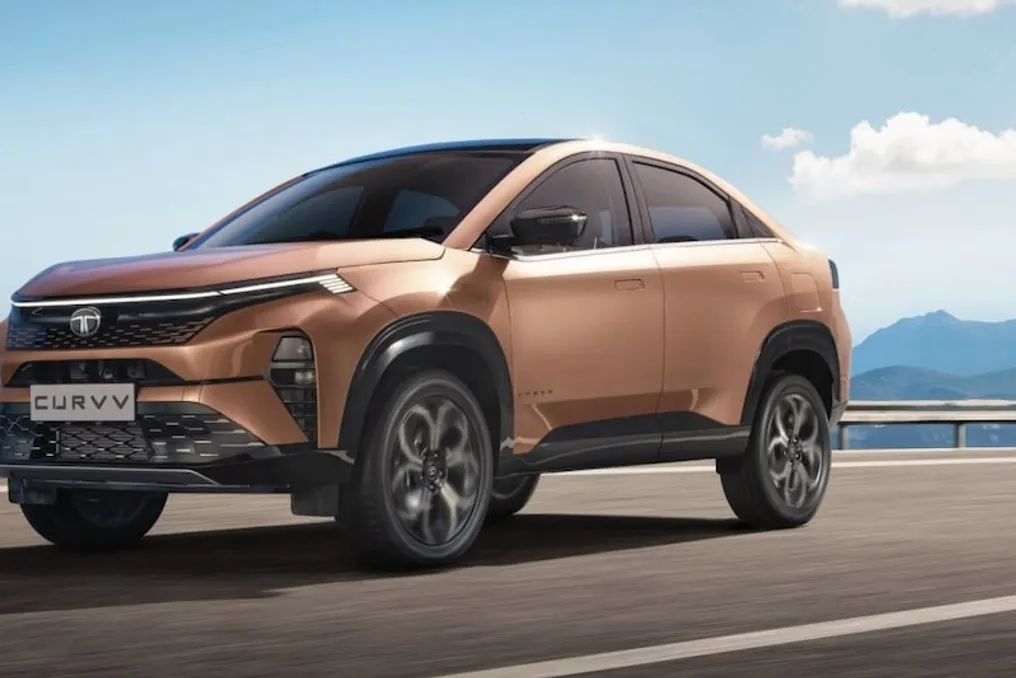
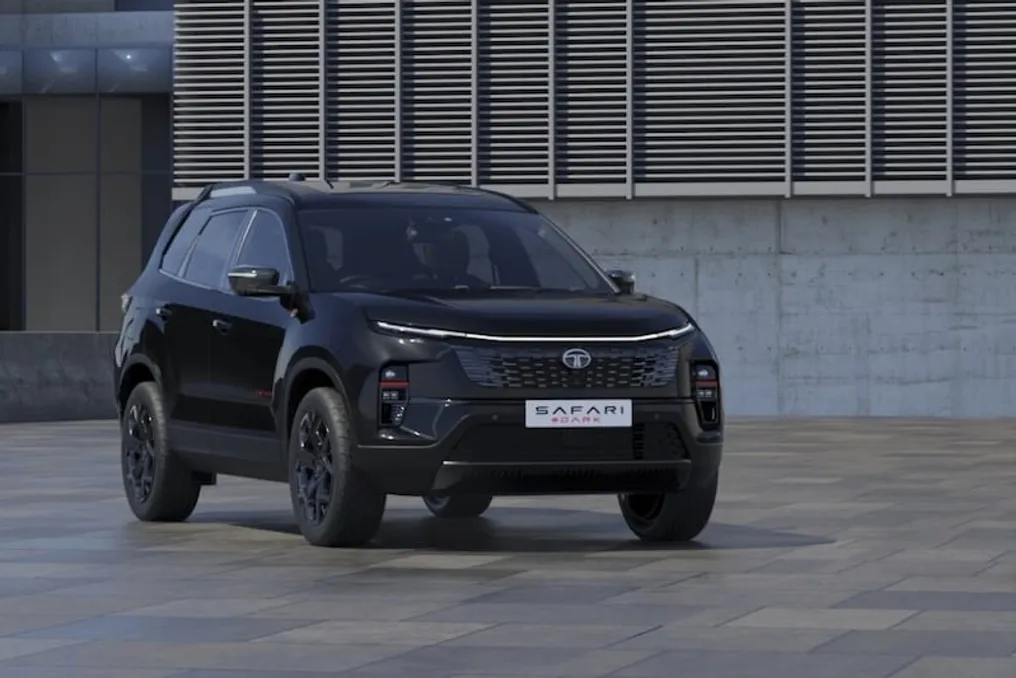
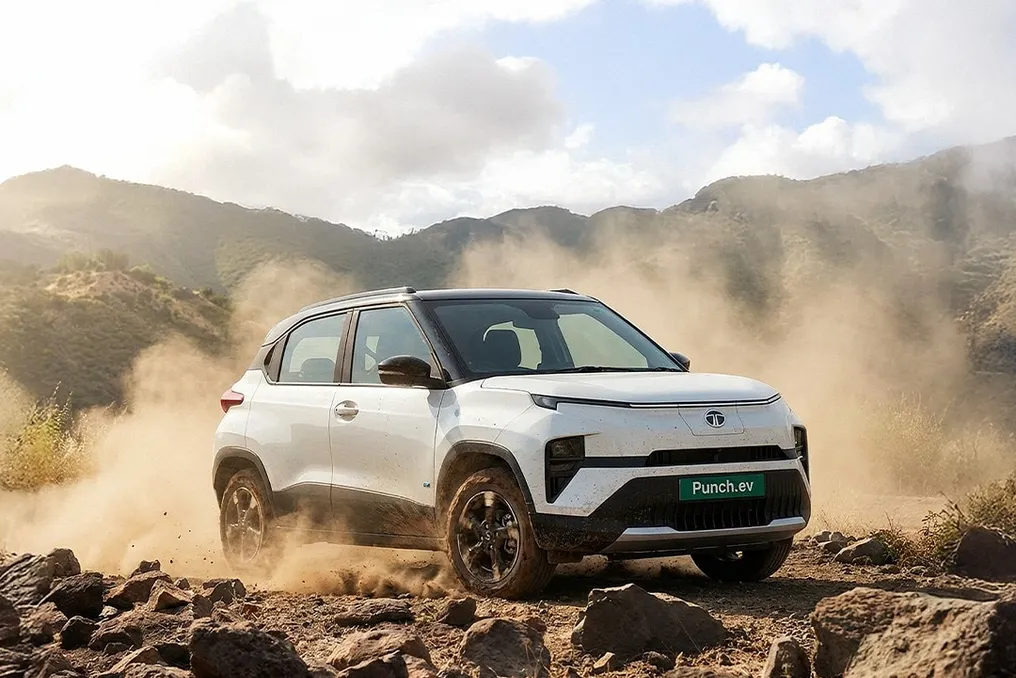
Competition is also being shaped by the expanding SUV portfolios of both companies. Tata's Punch and Nexon remain the main drivers of sales volume, supported by the Harrier, Safari, and the new Sierra models. According to a Tata representative, Punch and Nexon entered the top five best-selling models in the country for the current period, with Punch becoming the best-selling SUV in India. The company also reported that Punch.ev became the first standalone electric model to exceed monthly sales of 5,000 units in October. A Tata representative stated: 'To meet this growing demand, we have increased supply and are gradually improving product availability.'
Mahindra's demand is driven by the XUV 7XO, XEV 9S, Thar, and Scorpio-N models, according to Velusamy. He reported that the XEV 9S became the best-selling electric vehicle in India in the September quarter, with sales of 13,275 units, and bookings for the BE 6 Sporteq increased by 93%. Velusamy emphasized: 'With demand exceeding output, waiting times remain high for key models.'
Mahindra is operating above its established production capacity to meet demand. Velusamy noted: 'We operated at over 103% capacity, shipping every vehicle we produced, which led to dealer inventory levels dropping to a historic low of eight to nine days.'
The company is also expanding capacity ahead of schedule. By the first half of FY27, it had a monthly SUV capacity of 68,000 units and plans to add another 14,000 units by Q4 (January-March), bringing the capacity to 82,000 units per month. This is expected to increase to 92,000 units per month by the end of 2027-28, and to 132,000 units by the end of 2030-31, including capacity at the proposed Nagpur site. Velusamy concluded: 'This will allow us to convert our open bookings into retail deliveries and strengthen our market share.'
Path to the Next Ranking
The October rankings were obtained against a backdrop of a 14.23% decrease in total retail PV registrations compared to last year, reaching 507,768 units. Fada attributed this decline to the high base of October 2025, when Navratri and Diwali holidays coincided, compared to Diwali falling in November this year. Nevertheless, compared to the previous month, PV registrations grew by 18.86%, reflecting the accumulation of festive demand.
Tata stated that retail sales growth during the festive period exceeded 20% since Ganpati Chaturthi compared to the same period last year. The company also reported delivering over 20,000 vehicles on Dhanteras and the following day. Mahindra claimed to be the brand with the fastest growth in Vahan registrations, thanks to strong demand across its entire SUV portfolio.
From April to October, total retail PV registrations in the industry grew by 16.41% to 3.07 million units. Given that Tata and Mahindra are expanding their SUV and EV portfolios, and Mahindra is preparing to add significant production capacity, the competition for second place is likely to remain intense in the coming months.